Projects
Pool decks and patio surrounds — cool, safe surfaces
A good pool deck does more than look nice. It should feel comfortable under bare feet, give you good traction when wet, and make the whole pool area easier to use and enjoy.
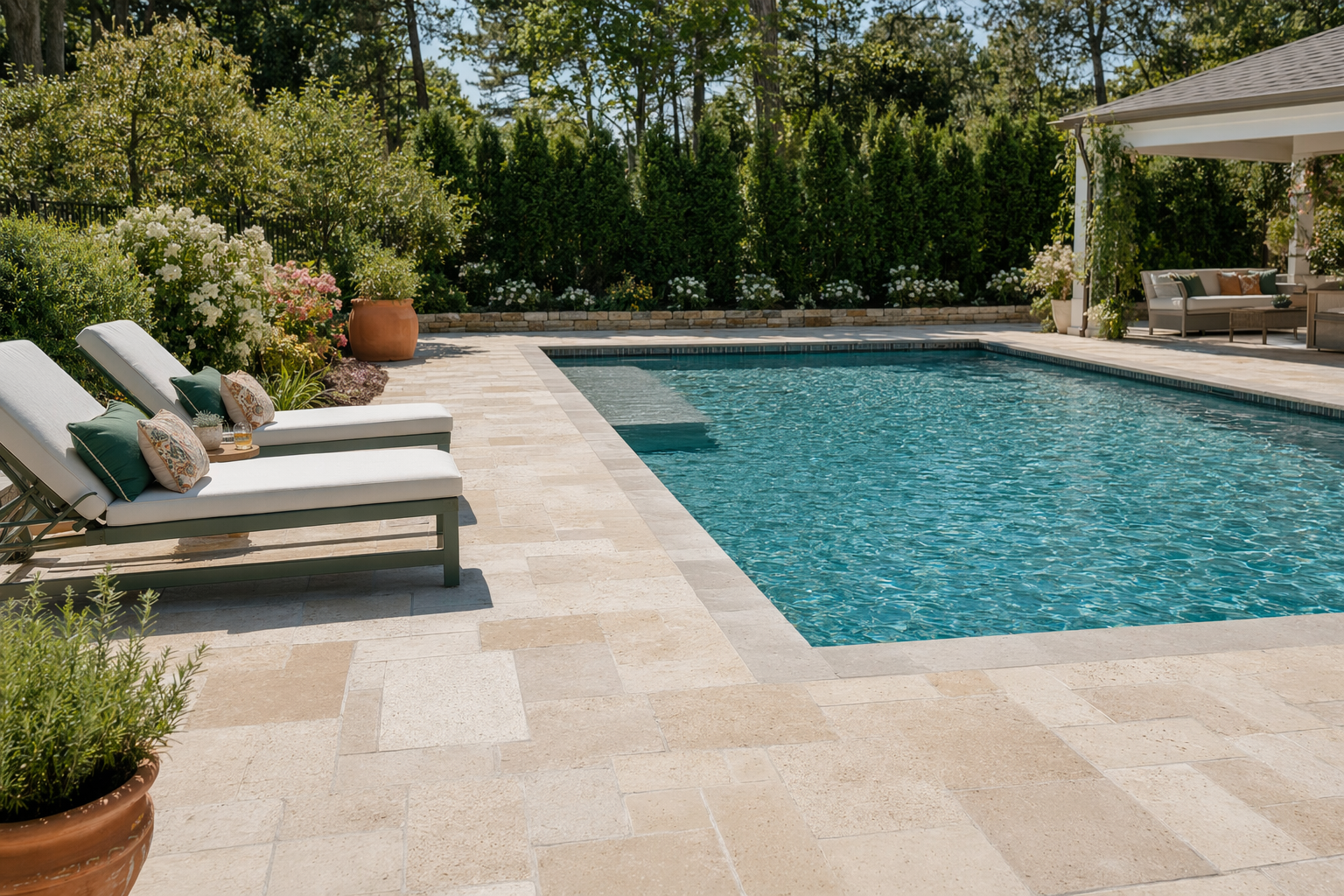
What a good pool surround should do
Pool decks and patio surrounds are the hard surfaces around the water: the place for walking, drying off, setting chairs, watching kids, and moving safely in and out of the pool area. Homeowners usually want the same mix of things here: a clean look, a surface that is not too slippery, and materials that do not get painfully hot in summer.
The best layout depends on how you use the space. Some families want wide open room for loungers and towels. Others want a smaller deck plus shaded seating, a grill area set well away from the water, or a path connecting the pool to the back door. If your yard is sloped, tight, or has drainage issues, that can affect both the design and the cost.
This page is general information only. Slate & Sod is a free matching service, not a contractor or design firm, and we do not build pool decks. For the actual work, hire a licensed, insured local builder and check what your area requires for permits, setbacks, drainage, gates, and pool safety rules.
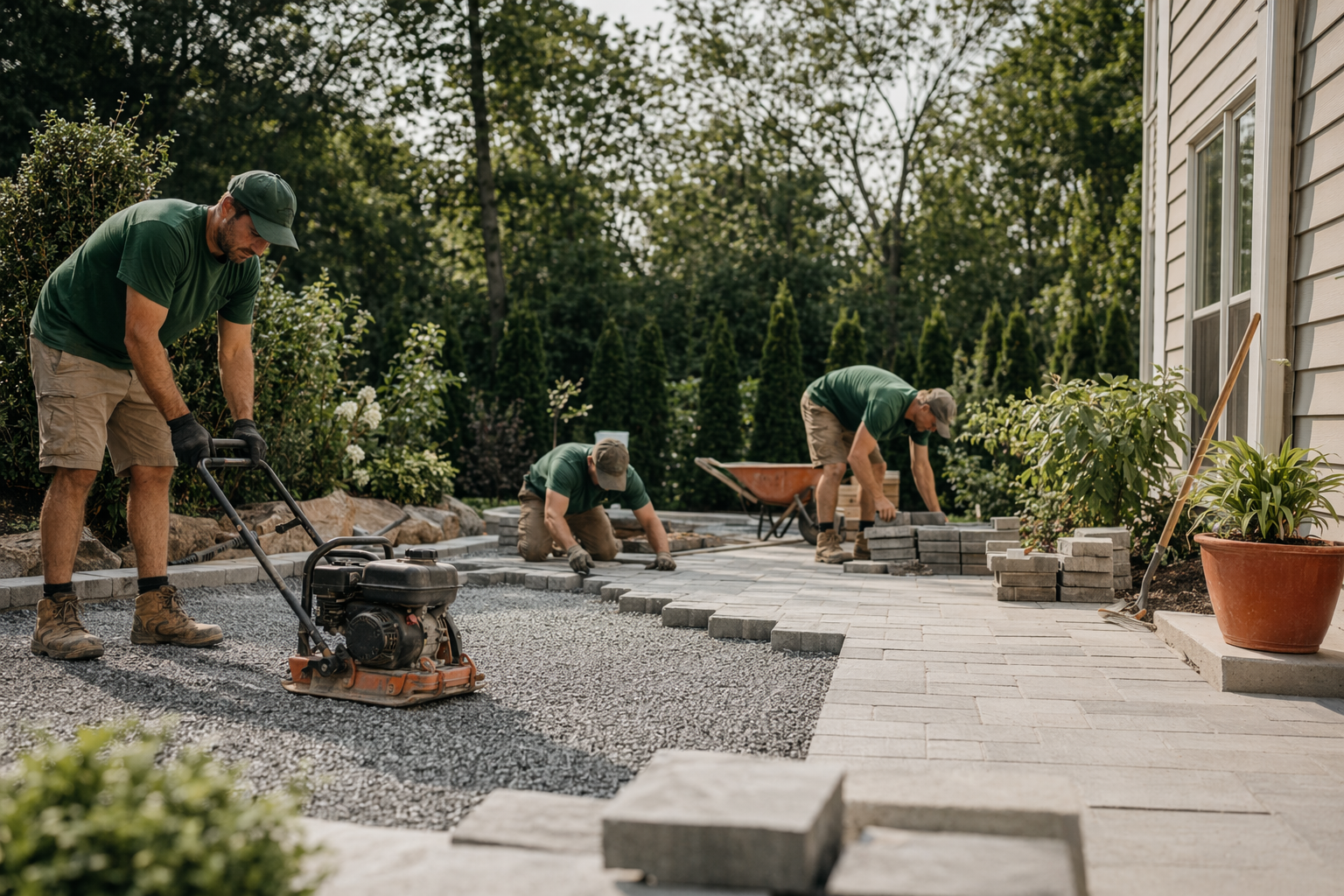
Design choices that matter most
Start with space and movement. Think about where people enter the pool, where they will sit, where wet traffic will go, and where furniture needs to fit without blocking walkways. It helps to picture a normal summer day: kids running in circles, someone carrying drinks, towels drying, and chairs getting moved into the shade.
Shape and edge details matter too. Some homeowners like a simple border that frames the pool cleanly. Others want curves, planter edges, lighting, or steps that connect the deck to the yard. If you are also planning a full backyard update, it can help to look at related projects or read a simple planning guide like how to plan a patio.
A few practical questions to decide early:
- How much room do you want for loungers, a table, or a small conversation area?
- Do you want the pool deck to match an existing patio, walkway, or home exterior?
- Will you add shade later, like a pergola or umbrella area?
- Do you need lighting for evening use?
- Is there a safe place for grilling or an outdoor kitchen away from splash and pool code restrictions?
If you are in an HOA community, check the rules before finalizing colors, fence changes, or expanded hardscape. Local requirements vary a lot across the US.
Materials: cool, slip-resistant, and pool-friendly
Material choice is the heart of a pool deck project. Around water, homeowners usually care about four things: slip resistance, heat, maintenance, and appearance. No surface is perfect in every category, so the right pick depends on your climate, budget, and how much upkeep you can live with.
Concrete pavers are popular because they come in many colors and shapes, and individual pieces can sometimes be repaired more easily than one large poured surface. Many homeowners like them for their finished look and flexible design options. Natural stone can look beautiful and stay more comfortable underfoot in some cases, but it often costs more and needs the right stone for the climate and use. Textured concrete can be a more budget-friendly option, but the finish matters a lot for traction and comfort.
Common pool-deck material options include:
- Concrete pavers
- Natural stone such as travertine, bluestone, or limestone, where appropriate for the area and use
- Poured concrete with a broom, textured, or decorative finish
- Concrete overlay or resurfacing systems for some remodels
Ask builders plain questions: Does this surface get hot in full sun? How does it feel when wet? Does it need sealing? How will it handle pool chemicals, freeze-thaw weather, and heavy furniture? A good licensed builder should be able to explain the trade-offs clearly. For drainage design, deck slope, retaining walls, or other structural concerns, follow local code and use licensed professionals where required.
What is involved in building a pool deck
Even a simple pool surround is more than just laying surface material. A builder may need to handle demolition of old deck areas, excavation, grading, base preparation, edge restraints, drainage planning, coping coordination, and transitions to grass, fencing, gates, or existing patios. On remodels, matching the height and look of older work can take extra care.
Drainage is especially important around pools. Water should move away from the house and not collect in low spots where people walk. Poor drainage can lead to slippery areas, movement over time, or water problems near the pool and foundation. This is one place where site conditions really affect the job.
You may also need coordination with other trades. If the project includes lighting, outlets, heaters, or pool equipment changes, electrical work needs a licensed professional and permits where required. If gas lines are involved for nearby fire features or an outdoor kitchen, that also requires a licensed pro and permits.
A good process usually looks like this:
1. Measure the area and decide how you want to use the space.
2. Choose a realistic budget range before you fall in love with materials.
3. Shortlist surface materials based on traction, heat, upkeep, and style.
4. Get written quotes from a few licensed, insured local builders.
5. Compare scope carefully: prep work, drainage, coping, demolition, cleanup, and warranty terms.
6. Confirm permits, timeline, and final materials before work starts.
Honest cost ranges and what changes the price
For many homeowners, a pool deck or patio surround project may land somewhere around $15 to $40+ per square foot installed, with some projects running below or well above that depending on material, demolition, access, drainage, coping details, and local labor costs. A modest, straightforward surround in standard concrete may cost much less than a large, detailed layout in premium stone. These are general ranges, not quotes.
A basic pool surround refresh might be in the several-thousand-dollar range if the area is small and the site is simple. A full new deck around an in-ground pool, especially with demolition, upgraded coping, steps, lighting, or premium materials, can move into the tens of thousands. In higher-cost areas or on complex sites, the number can climb fast.
What usually pushes the cost up:
- Larger square footage
- Premium materials like some natural stones
- Demolition and haul-away of old deck surfaces
- Tight yard access for equipment and materials
- Drainage fixes, grading, or soil issues
- Detailed borders, curves, steps, and custom patterns
- Matching existing hardscape or pool coping
- Permit needs and coordination with other work
What can help control the budget:
- Keeping the shape simple
- Choosing standard sizes and patterns
- Limiting special cuts and decorative borders
- Focusing spending on the areas you use most
- Planning the whole project early so you avoid change orders later
If you are budgeting for more than the deck alone, you may want to compare broader costs for related backyard projects. The real price depends on project size, materials, site conditions, and your area.
Common mistakes to avoid — and how to get matched
The biggest mistake is choosing by color alone. Around a pool, performance matters. A beautiful surface that gets very hot, feels slick, or stains easily can become a daily annoyance. Another common issue is underestimating how much space furniture needs. A deck may look big on paper but feel crowded once loungers, side tables, and walking paths are in place.
Homeowners also get into trouble when quotes are too vague. Make sure each builder lists the scope in writing: demolition, base prep, drainage, edging, material brand or type, pattern, cleanup, and any exclusions. Compare a few written quotes, not just a single number.
Watch for red flags:
- Large cash-only deposits
- No license or no proof of insurance
- Pressure to sign right away
- Vague pricing or verbal-only promises
- No written contract
Slate & Sod is free for homeowners. We are not a contractor, builder, or construction company. We simply help you plan the project and get connected with licensed, insured local builders so you can compare options and stay in control. You choose who to speak with, compare written quotes, and decide who to hire. If you are ready, you can get matched and share basic project details like your name, phone, optional email, ZIP code, project type, rough budget, and preferred language.
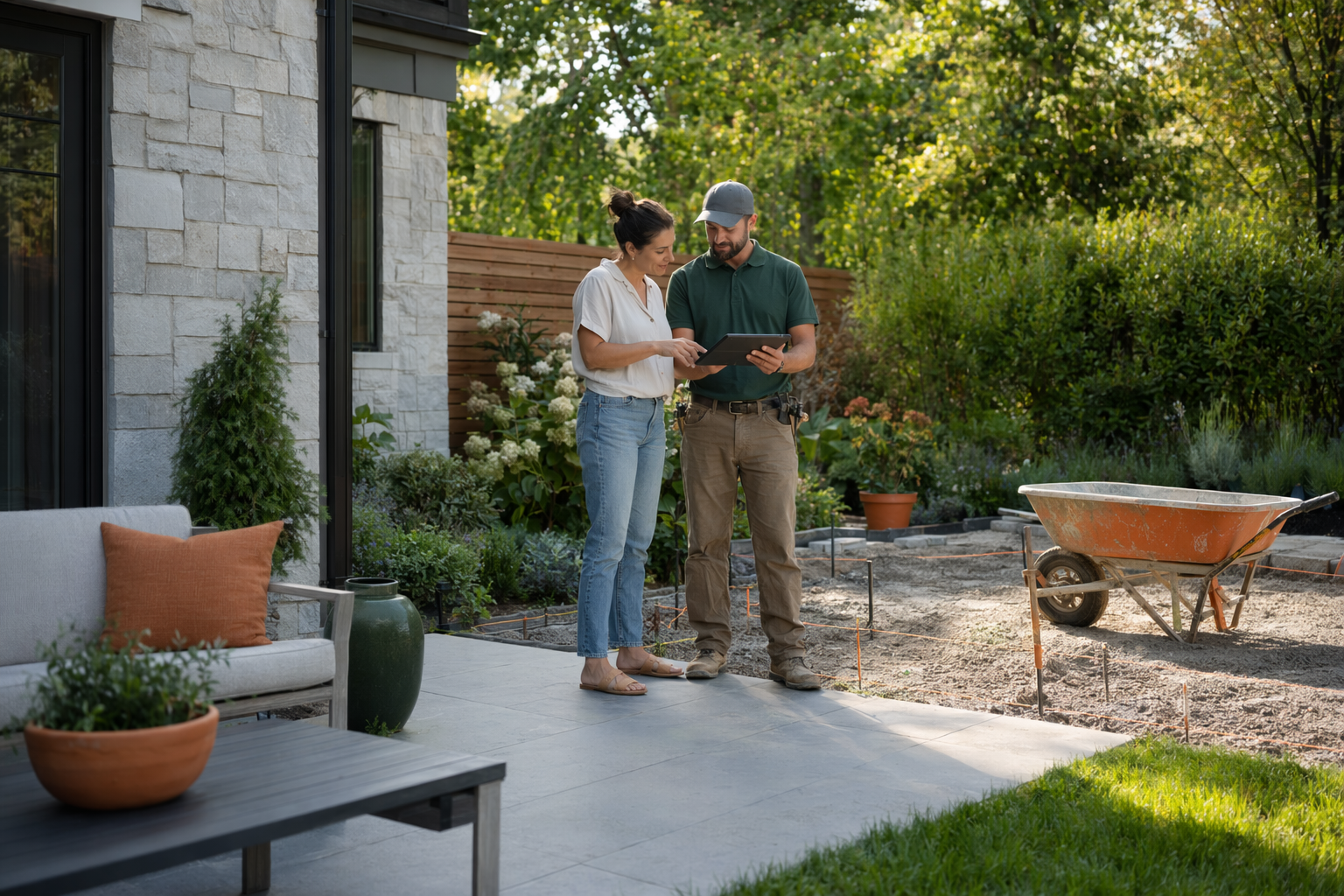
A good pool deck should be safe, comfortable, and easy to use — and the smartest first step is setting your budget and comparing written quotes from licensed local builders.
Common questions
What is the best material for a pool deck that stays cool?
There is no single best material for every yard. Many homeowners compare pavers, textured concrete, and certain natural stones based on heat, traction, upkeep, and price. What feels coolest depends on the color, finish, sun exposure, climate, and the specific product.
Are pavers good around a pool?
They can be a strong option for many pool decks because they offer design flexibility and can be easier to repair in sections. The right choice still depends on the product, installation quality, drainage, and your local weather.
How much does a new pool surround cost?
Many projects may fall around $15 to $40+ per square foot installed, but the real number depends on size, material, demolition, drainage, access, and your area. Those ranges are general information, not a quote.
Do I need permits for a pool deck project?
Often, yes, but it varies by city, county, and HOA. Pool areas can involve safety, drainage, fencing, and setback rules, so check with your local building department and hire a licensed, insured builder who knows the local requirements.
Can Slate & Sod build my pool deck?
No. Slate & Sod is a free matching service for homeowners, not a contractor or builder. We help you plan your project and connect with licensed, insured local builders.