Projects
Retaining wall — function, materials & cost
A retaining wall can turn a hard-to-use slope into a safer, flatter yard and help manage grade changes around patios, walkways, and planting beds. The right wall depends on height, drainage, materials, and whether it is decorative or truly structural.
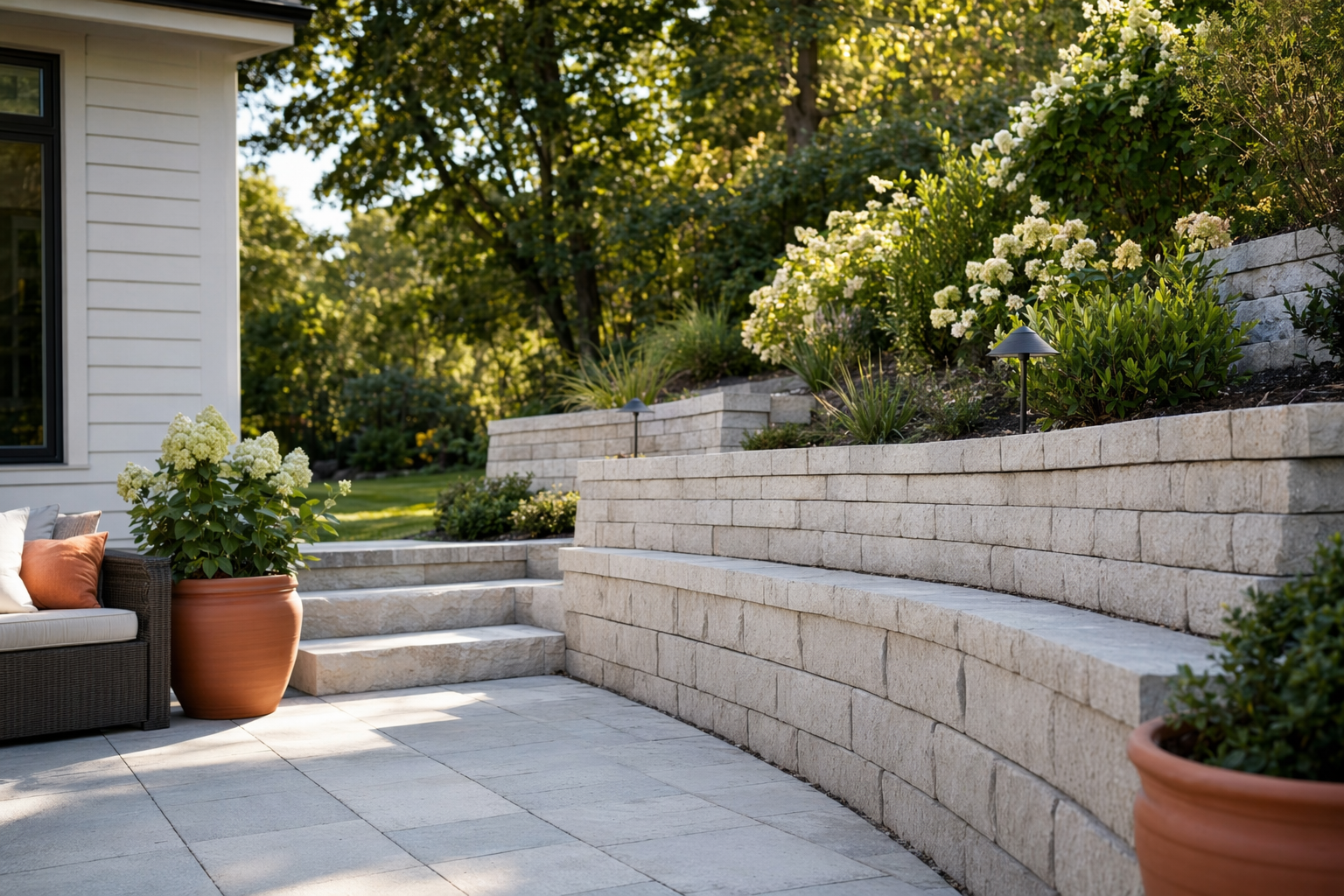
What a retaining wall does — and when it becomes a serious project
A retaining wall holds back soil where your yard changes height. Homeowners often add one to create a level area for a patio, stop erosion on a slope, edge a driveway, or make a backyard easier to use and maintain.
Some walls are mostly decorative and low to the ground. Others carry real loads, hold back a lot of soil, or sit near a house, fence, driveway, pool, or other structure. That is the point where the job becomes more than a simple landscape feature.
In plain terms: a short garden wall and a tall wall holding back a hillside are not the same thing. Height, soil pressure, water behind the wall, slope, access, and what sits above or below the wall all affect the design. This page is general information only — for taller walls, drainage concerns, or structural questions, talk to a licensed, insured builder and a licensed engineer where required by local code.
- Good for slopes, erosion control, and creating flatter usable space
- Can be decorative, functional, or fully structural
- Permits, engineering, and setbacks vary by city, county, and HOA
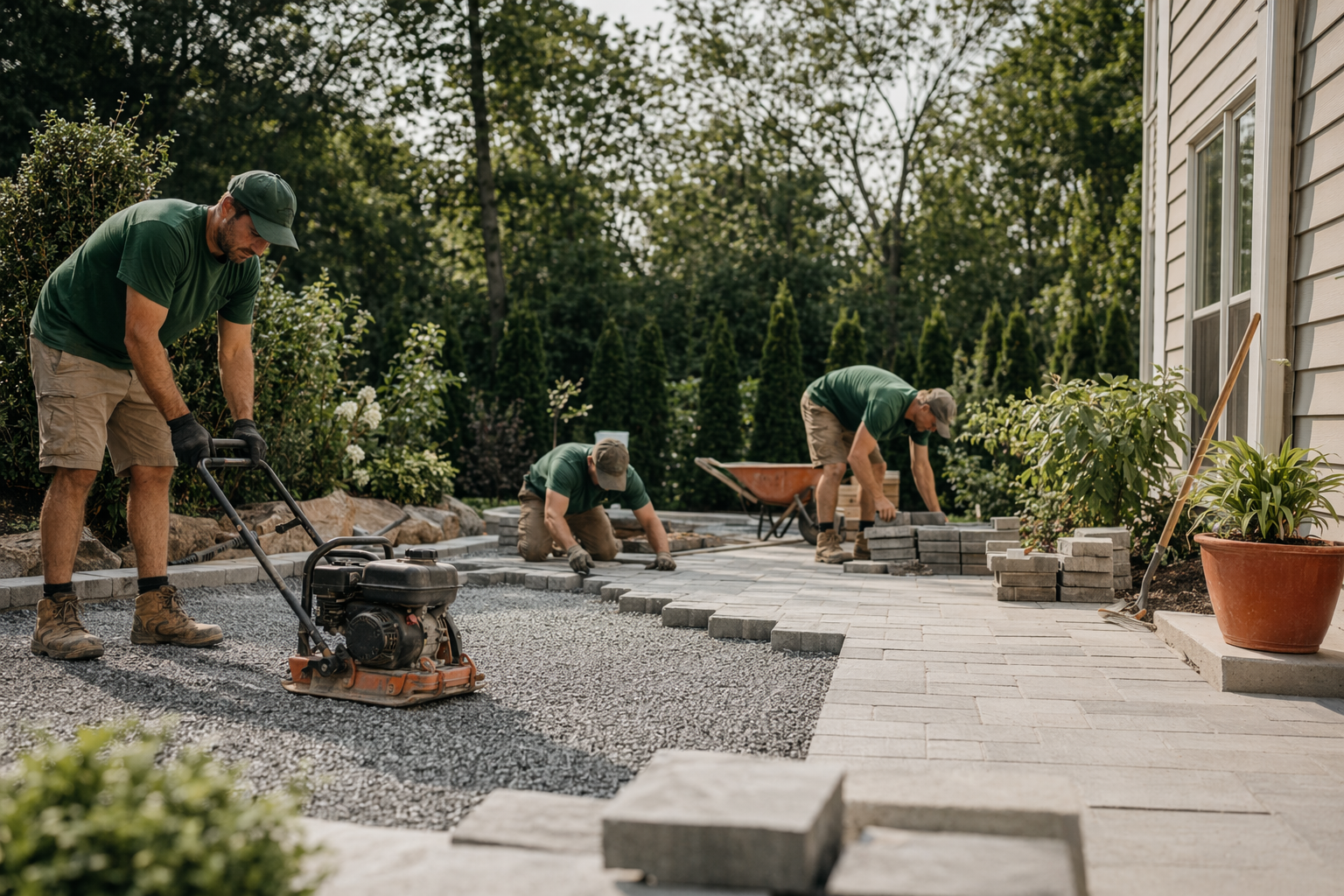
Popular retaining wall materials
Segmental concrete block is one of the most common choices for residential retaining walls. It is popular because it comes in many colors and sizes, can look clean and finished, and often works well for modern or traditional yards. Many homeowners like block because it gives a neat look at a wide range of budgets.
Natural stone has a more organic, high-end look. It can blend beautifully into older homes, wooded lots, and gardens. The trade-off is cost and labor. Stone selection, fitting, and site work can raise the price, especially if the wall is long or access is tight.
Poured concrete can create a simple, strong-looking wall, and it is often used when a smooth or contemporary style is wanted. It can work well, but appearance matters — concrete finish quality is very visible. There are also timber walls in some areas, but many homeowners avoid them for long-term durability concerns.
The best material is not only about looks. It should also fit the wall height, drainage plan, maintenance expectations, climate, and budget. A licensed local builder can explain what is commonly used in your area and what holds up well in your soil and weather conditions.
Design choices that affect cost and appearance
Before you compare quotes, it helps to think about the wall as part of the whole yard. Do you want a single straight wall, or a terraced layout with two shorter walls? Will there be stairs, lighting, planters, caps, or a patio above or below it? These choices change both the look and the budget.
Wall height is a major cost driver. In many cases, two shorter terraced walls may look better and feel less imposing than one tall wall, but they also use more materials and more labor. Curves, corners, steps, seat walls, and premium capstones also add cost.
Drainage is just as important as the visible face of the wall. Water pressure behind a wall can cause serious problems over time, so builders often plan for base preparation, drainage stone, and water management details suited to the site. That is one reason a cheap quote can become expensive later.
If you are also planning a patio or full backyard update, it may help to look at the wall as one phase of a larger plan. Our project ideas hub and cost guides can help you think through the bigger picture before you ask for bids.
What retaining walls usually cost
For many residential projects, a retaining wall may fall somewhere around $40 to $120+ per square face foot, but that is a broad planning range, not a quote. A small, low, straightforward wall may cost a few thousand dollars, while a larger structural wall with engineering, drainage work, stairs, difficult access, or premium materials can run much more.
As a very rough example, a basic low wall in an easy-access yard might land around $3,000 to $8,000. A medium-size wall project is often more like $8,000 to $20,000+. Larger, taller, or more structural jobs can exceed that by a wide margin. Local labor rates, permit requirements, and material pricing vary a lot across the US.
What pushes the price up? Height, engineering, permits, excavation, hauling away soil, drainage needs, poor access for equipment, curves, steps, lighting, caps, premium finishes, and walls built near driveways, homes, pools, or property lines. What can keep costs lower? Simpler layouts, easier access, lower wall heights, standard materials, and combining the work with other planned site grading.
Treat all cost ranges as early planning numbers only. The real number depends on the wall size, the materials, site conditions like slope and soil, drainage, access, and your area. Written quotes from licensed, insured local builders are the only way to price your specific job.
Common mistakes homeowners should watch for
The biggest mistake is thinking a retaining wall is just stacked material. A wall that holds back soil has to deal with weight, water, and movement over time. If the builder talks only about the wall face and not about excavation, base work, drainage, and permits, slow down and ask more questions.
Another common problem is hiring based only on the lowest number. A very cheap quote may leave out key parts of the job or use vague wording that makes it hard to compare bids. Get the scope and price in writing, and compare a few quotes line by line.
Red flags are worth taking seriously:
- Large cash-only deposits
- No license or no proof of insurance
- Vague quotes with missing details
- No written contract
- Pressure to decide on the spot
You stay in control. Set your budget, ask what is included, verify license and insurance, and confirm who handles permits if needed. For gas or electrical work near the wall, such as lighting or fire features, use licensed pros and expect permits where required.
How to plan the project and get matched with a local builder
If you are early in the process, start with the purpose of the wall. Is it mainly to flatten part of the yard, stop erosion, support a patio area, or improve appearance? Then set a rough budget and note any site issues you already know about, like drainage, steep slope, limited side-yard access, or nearby structures.
A simple planning path looks like this:
1. Measure the general area and take a few photos.
2. Decide what problem the wall needs to solve.
3. Pick a rough material direction: block, stone, or concrete.
4. Set a comfort-range budget.
5. Ask a few licensed, insured builders for written quotes.
6. Compare scope, materials, drainage approach, timeline, and permit responsibility.
Slate & Sod is a free matching service for homeowners — not a contractor, builder, or design firm, and we do not perform construction work. We help you get connected with licensed, insured local outdoor-living and hardscape builders for projects like retaining walls, patios, walkways, and full backyards.
If you want help getting started, you can get matched for free. We only collect basic contact and project intent details such as your name, phone, optional email, project type, ZIP code, rough budget, and preferred language. If you are still shaping the larger yard plan, our guide on how to plan a patio can also help you think through layout, budget, and materials.
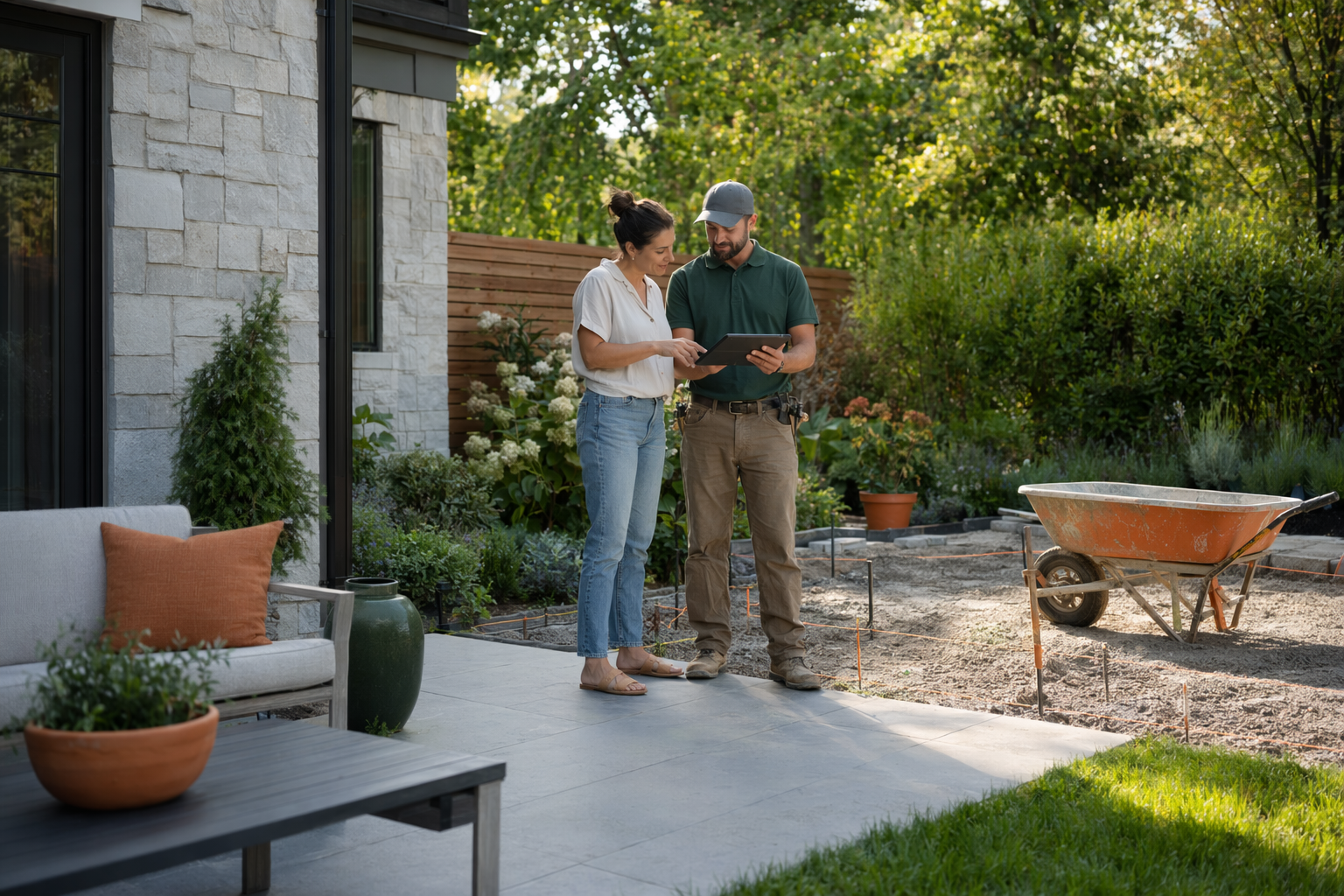
A retaining wall can solve a slope problem, but the right material, drainage, and builder matter just as much as the look.
Common questions
At what point is a retaining wall structural?
A wall becomes more of a structural project when it is taller, holds back significant soil, manages water, or sits near a house, driveway, pool, or property line. Local rules vary, so ask a licensed, insured builder and check with your local building department; engineering may be required.
Is block or natural stone better for a retaining wall?
Neither is automatically better for every yard. Block is often more budget-friendly and consistent in appearance, while natural stone can look more custom and organic but usually costs more. The right choice depends on the wall's job, local conditions, style, and budget.
Why does drainage matter so much behind a retaining wall?
Water can build pressure behind a wall and lead to movement or failure over time. That is why drainage planning is a core part of the project, not an extra. The exact solution depends on the site and should be handled by qualified pros.
Do I need a permit for a retaining wall?
Maybe. Permit and engineering rules vary by city, county, and wall type, and HOA rules may also apply. A licensed local builder can tell you what is common in your area, but you should also confirm with the local building department.
How many quotes should I get for a retaining wall?
A few written quotes is usually wise so you can compare scope, materials, drainage approach, and total price. Make sure each quote clearly states what is included, and verify license and insurance before you hire anyone.
How does Slate & Sod help with a retaining wall project?
Slate & Sod is a free matching service for homeowners. We do not build or design the wall ourselves, but we can help connect you with licensed, insured local builders so you can compare written quotes and choose who to hire.