Projects
Outdoor kitchen — from grill island to full build
An outdoor kitchen can be as simple as a grill island with counter space or as complete as a backyard cooking and dining zone. The best one fits how you actually cook, gather, clean up, and maintain it.
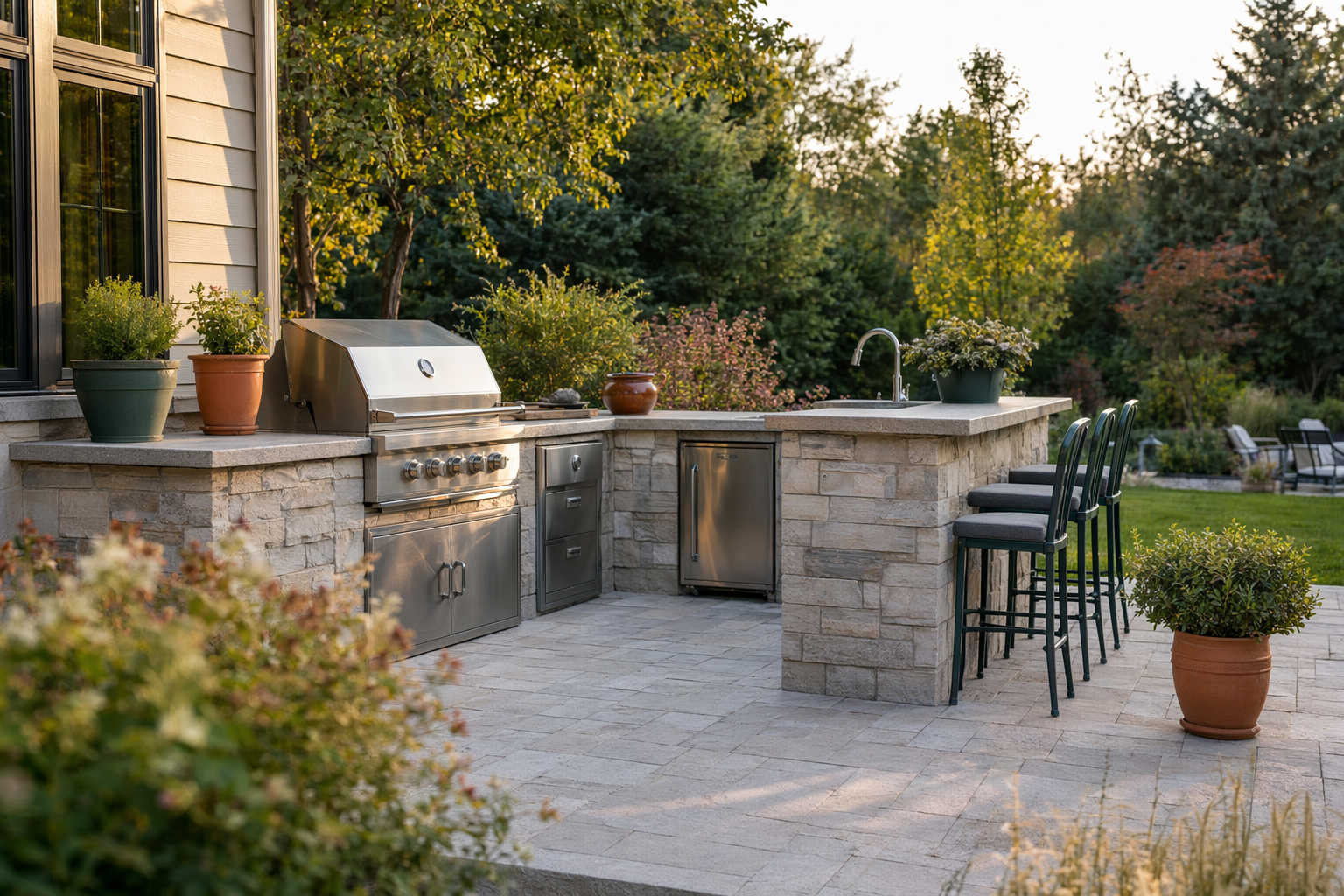
What an outdoor kitchen really is
For some homeowners, an outdoor kitchen means one built-in grill with a little landing space for plates and tools. For others, it means counters, storage, a sink, a fridge, bar seating, lighting, and maybe even a pizza oven or fireplace nearby. Both can be right. The goal is not to copy a magazine photo. It is to build a space you will use.
People usually love outdoor kitchens because they keep everyone outside longer. The cook is not stuck indoors while family or guests are in the yard. It can also make a patio or pool area feel more finished and useful, especially if you already know you like to host or eat outside often.
A good starting question is simple: do you want a place to grill, or a place to cook, serve, and clean up outside? That answer shapes almost every decision after that.
Design choices that matter most
Start with layout before you think about fancy features. Think about how far the kitchen is from the house, where people will sit, how smoke may blow, and whether you need room for one cook or several people moving around. Many homeowners do well with a straight island or an L-shape. A larger U-shape can feel more complete, but it needs more space and usually costs more.
Then think about the basic zones: cooking, prep, serving, and storage. Even a modest build works better when there is counter space on both sides of the grill. Storage for tools, trash, and fuel can make a small kitchen feel much more usable. Seating can be nice, but too many stools can crowd the work area.
Appliances and features can include:
- Built-in grill
- Side burner
- Sink
- Outdoor-rated refrigerator
- Storage drawers and doors
- Trash pull-out
- Ice maker
- Pizza oven
- Bar seating
- Lighting and outlets
Also think about weather and shade. In hot areas, sun exposure can make counters and metal surfaces uncomfortable by midday. In rainy or snowy areas, a pergola or covered structure may help, but that can bring added cost, permits, and design questions. If your kitchen is part of a bigger patio plan, it helps to think about the whole yard together. Our project guides and patio planning guide can help you sketch out the full space first.
Materials: where looks, weather, and upkeep meet
Outdoor kitchens need materials that can handle weather, heat, spills, and regular cleaning. What looks great indoors does not always belong outside. The cabinet structure, finish materials, countertop, and appliances all need to be chosen for exterior use.
Common base and finish choices include masonry block, concrete, stone veneer, stucco, brick, and sometimes metal framing systems. Stone and brick can look warm and substantial, but the style should match the patio, home, and nearby features so the kitchen does not feel dropped in from somewhere else. Stucco can give a cleaner look, but in some climates it may need more attention over time.
For countertops, homeowners often compare granite, concrete, tile, porcelain, and other exterior-rated surfaces. Some materials handle sun, freeze-thaw cycles, grease, and staining better than others. Appliances matter too. Outdoor-rated components usually cost more than indoor ones, but they are made for exposure and temperature changes.
Ask builders to explain the trade-offs in plain language:
- What holds up best in your climate?
- What is easiest to clean?
- What gets hot in direct sun?
- What may stain, crack, or fade?
- What needs sealing or regular upkeep?
This is also the point where utilities matter. If you want gas, electrical, water, or drainage work, use licensed pros and expect permits where required. Exact requirements vary by area, so your builder and local building department should confirm what is allowed.
What it usually costs — and why prices vary so much
A simple outdoor kitchen with a built-in grill island and some counter space may start around $8,000 to $15,000 in some markets. A more complete kitchen with better finishes, storage, refrigerator, lighting, and utility connections often lands around $15,000 to $35,000+. A larger custom build with premium appliances, sink, bar seating, pergola, extensive stonework, or multiple cooking features can go well beyond $35,000 to $60,000+.
These are general ranges, not quotes. The real number depends on project size, materials, appliances, site access, slope, drainage, utility runs, soil conditions, permit needs, and local labor costs. A kitchen built close to the house with easy gas, water, and electrical access may cost far less than one at the back of a yard that needs trenching and more site work.
Big cost drivers usually include:
- Size of the kitchen and amount of counter space
- Appliance quality and number of built-ins
- Gas, water, drain, and electrical runs
- Countertop material
- Finish materials like stone veneer or brick
- Site prep, grading, and access for crews and materials
- Shade structures, seating walls, or nearby fire features
- Permits and code-related requirements
If budget matters, it often helps to phase the project. Some homeowners build the kitchen shell, grill, and counters first, then add a fridge, sink, pergola, or extra appliances later. You can also browse more general outdoor project cost guides before you talk to builders.
What is involved in building one
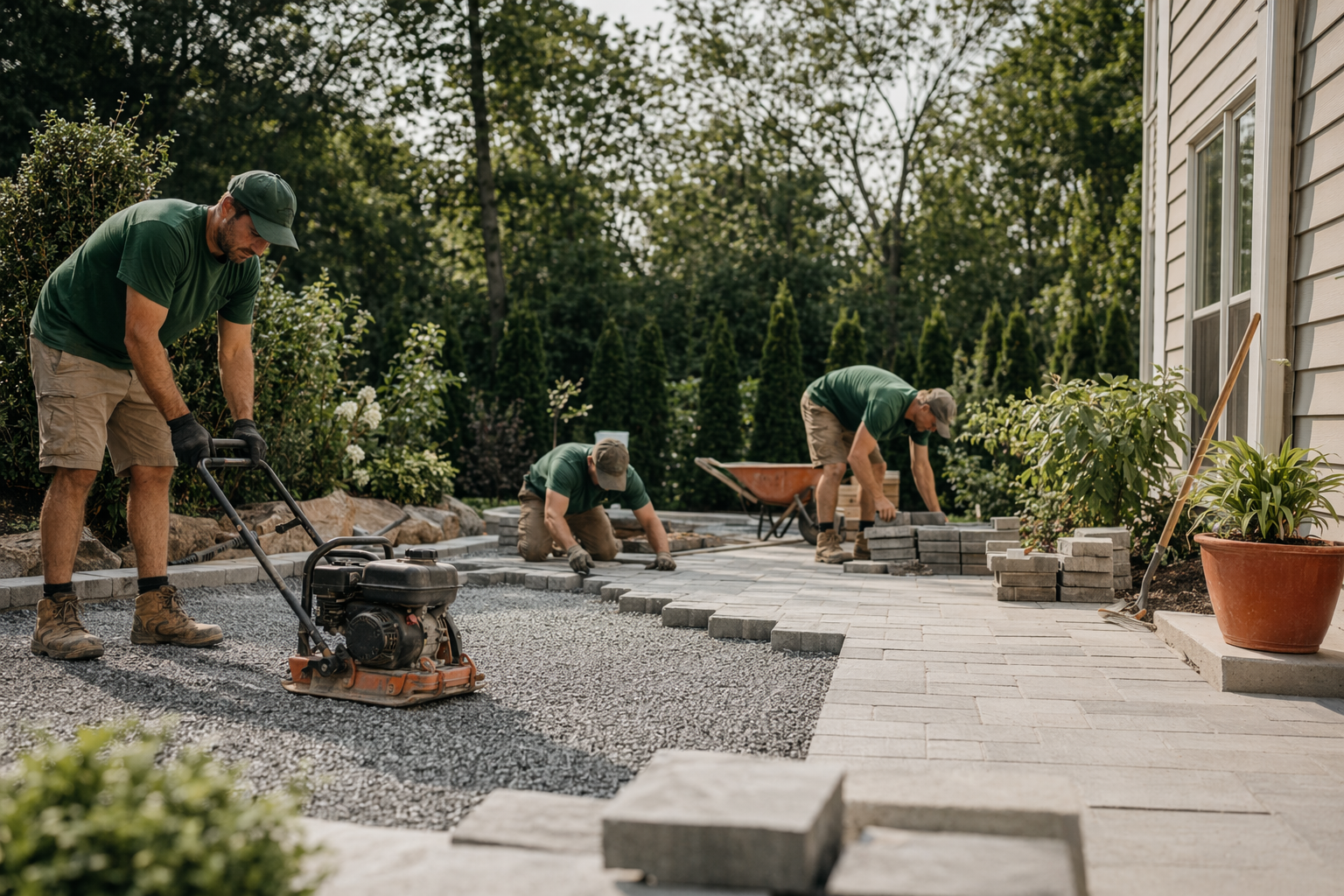
Even a smaller outdoor kitchen is more than a grill with stone around it. There is planning, layout, utility coordination, a stable base, finish work, and appliance installation. If the kitchen connects to a patio, pool deck, or retaining wall project, the order of work matters too.
A typical process looks something like this:
1. Decide how you want to use the space and set a rough budget.
2. Choose the location, size, and must-have features.
3. Talk with licensed, insured local builders about layout, materials, and utility needs.
4. Review written quotes that clearly list scope, materials, and allowances.
5. Finalize permits and utility planning where required.
6. Build the base, run utilities, install finishes, set appliances, and complete final details.
Gas and electrical work should always be handled by licensed pros, with permits where required. If water and drainage are involved, your builder may also need to coordinate plumbing and site drainage details. Slate & Sod is not a contractor or design firm, and we do not perform construction work. We are a free matching service that helps homeowners connect with local licensed, insured builders for projects like this.
Common mistakes to avoid — and how to get matched
A common mistake is overspending on appliances before the layout is right. Another is forgetting prep space, storage, lighting, or shade. Some homeowners also place the kitchen too far from the house, which sounds fine at first but gets annoying when carrying food, dishes, and supplies back and forth.
Be careful with the hiring side too. Red flags include large cash-only deposits, no license or insurance, vague quotes, no written contract, or pressure to decide on the spot. Ask for the scope and price in writing. Compare a few quotes. Verify license and insurance. Make sure the quote says what appliances, materials, utility work, and cleanup are included.
When you are ready, you can use Slate & Sod’s free matching service. Tell us your name, phone, optional email, project type, ZIP code, rough budget, and preferred language. We use that contact and project intent information to help connect you with local builders. You stay in control: you compare written quotes, choose who to hire, and confirm the final scope and price before work starts.
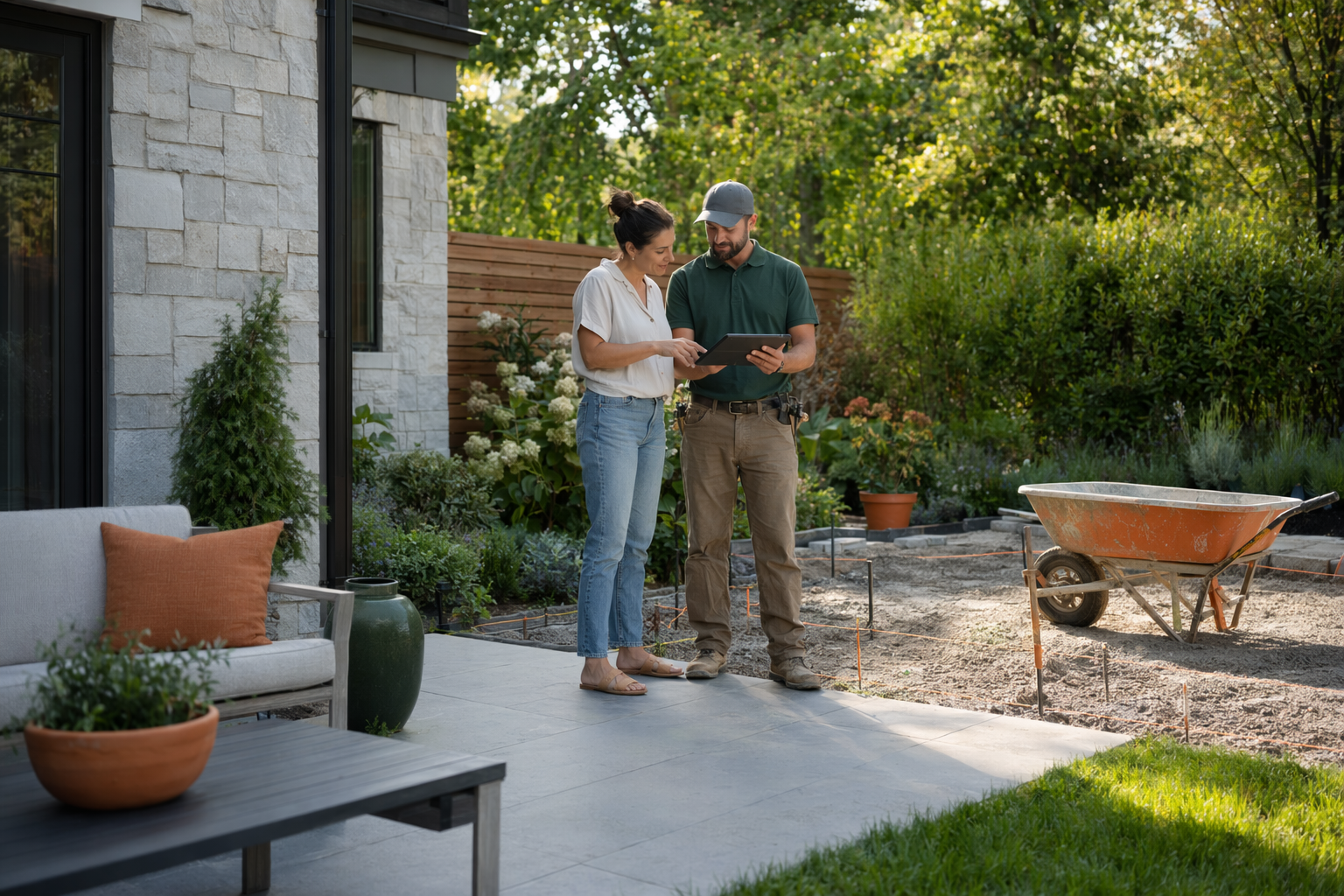
A good outdoor kitchen starts with your real budget and how you cook, then a licensed local builder can help you price and build it the right way.
Common questions
How much does an outdoor kitchen cost?
A basic built-in grill island may start around $8,000 to $15,000, while a more complete outdoor kitchen often runs $15,000 to $35,000+. Larger custom builds with premium appliances and utilities can go much higher. These are general ranges, not quotes.
Is it cheaper to build an outdoor kitchen close to the house?
Often, yes. Shorter gas, water, drain, and electrical runs can reduce cost, but the layout, access, permits, and your yard conditions still matter.
Do I need permits for an outdoor kitchen?
Very often, yes, especially for gas, electrical, plumbing, structures, or larger site work. Requirements vary by area, so a licensed builder and your local building department should confirm what is required.
What countertop material is best outdoors?
There is no one best choice for every yard. Good options depend on your climate, sun exposure, maintenance tolerance, and budget. Ask local builders which materials hold up best in your area.
Can Slate & Sod build my outdoor kitchen?
No. Slate & Sod is a free matching service, not a contractor, builder, or design firm. We help connect homeowners with licensed, insured local builders.
What information do I need to get matched?
Just basic contact and project intent details: your name, phone, optional email, project type, ZIP code, rough budget, and preferred language. It is always free for the homeowner.