Projects
Fire pit and outdoor fireplace ideas & costs
A fire pit or outdoor fireplace can turn a plain backyard into a place people actually use at night and in cooler weather. The best choice depends on how you want to gather, how much maintenance you want, and what your yard and local rules allow.
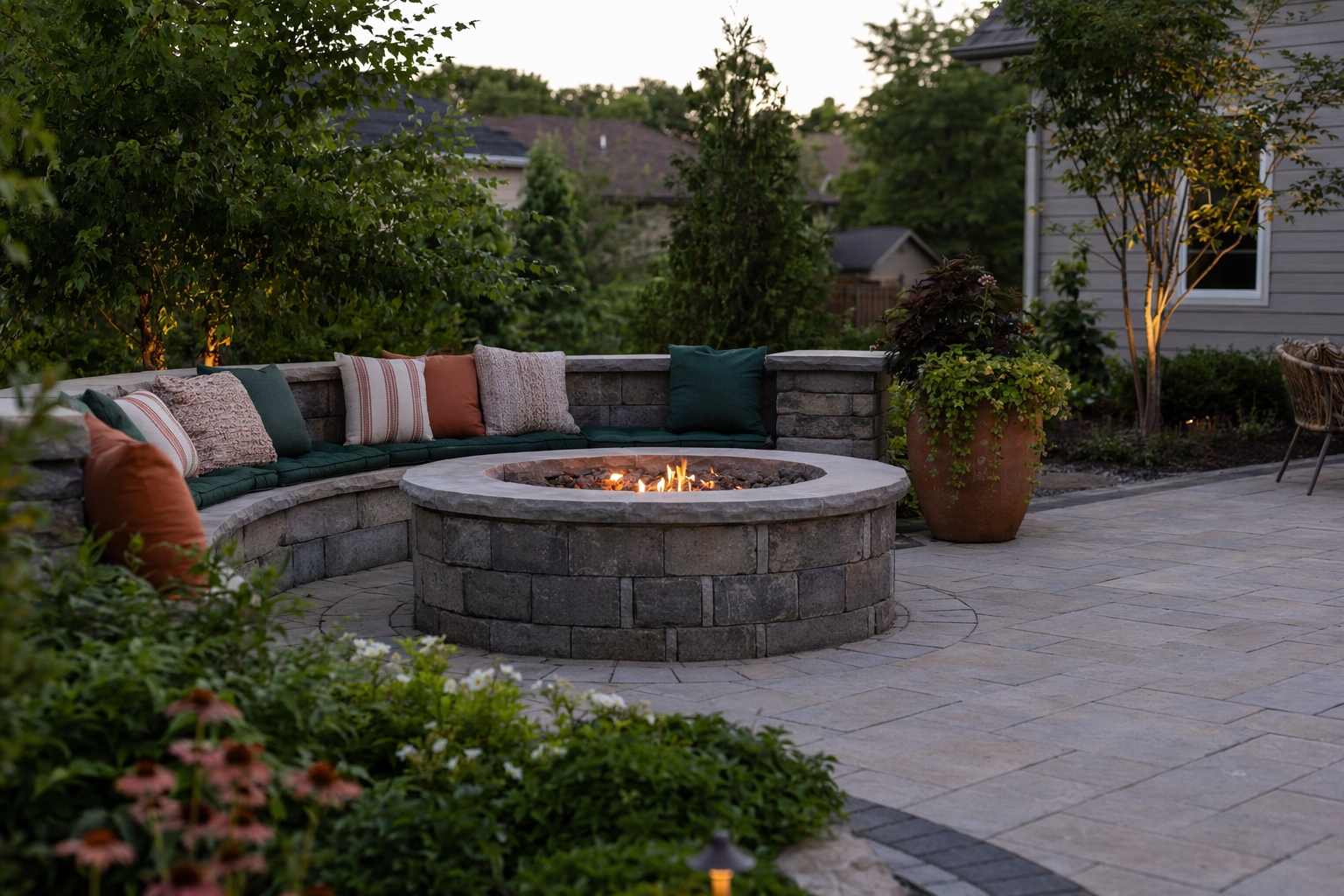
What fits your backyard: fire pit or fireplace?
A fire pit is usually more casual and social. People can sit around it from all sides, it works well on a patio, and it can make a smaller yard feel welcoming without taking over the whole space. Families often like fire pits for roasting marshmallows, chatting with friends, or adding a simple focal point to a patio.
An outdoor fireplace feels more like an outdoor room. It gives you a strong visual anchor, can add privacy or help define a seating area, and often feels more formal. It also directs heat forward instead of all around, which some homeowners prefer on windy nights or in larger backyards.
If you are still deciding, start with how you want people to use the space. A fire pit usually wins for casual group seating and lower cost. A fireplace often wins for a more finished look, more height, and a stronger "destination" feel in the yard.
Big design choices: gas or wood, built-in or prefab
One of the first decisions is fuel type. Wood-burning fire features give you the classic crackle and campfire feel, but they also bring smoke, ash, wood storage, and more cleanup. Gas is easier to start, cleaner to use, and simpler for many busy households, but it needs proper gas work by a licensed pro and usually permits.
Then think about how the feature is built. A prefab unit can be a faster, lower-cost option, especially for a basic fire pit. A built-in masonry fire pit or fireplace usually costs more, but it can match your patio, seating wall, outdoor kitchen, or full backyard plan more naturally.
Material choice changes both the look and the budget. Common options include concrete block with veneer, natural stone, brick, stucco, and metal inserts or burner systems. If you already have or want a patio, it helps to plan the fire feature together with the hardscape so the style, color, and layout feel connected.
If your project is part of a larger patio or backyard update, it can help to first read how to plan a patio so your budget and layout make sense before you choose finishes.
What is involved in building one
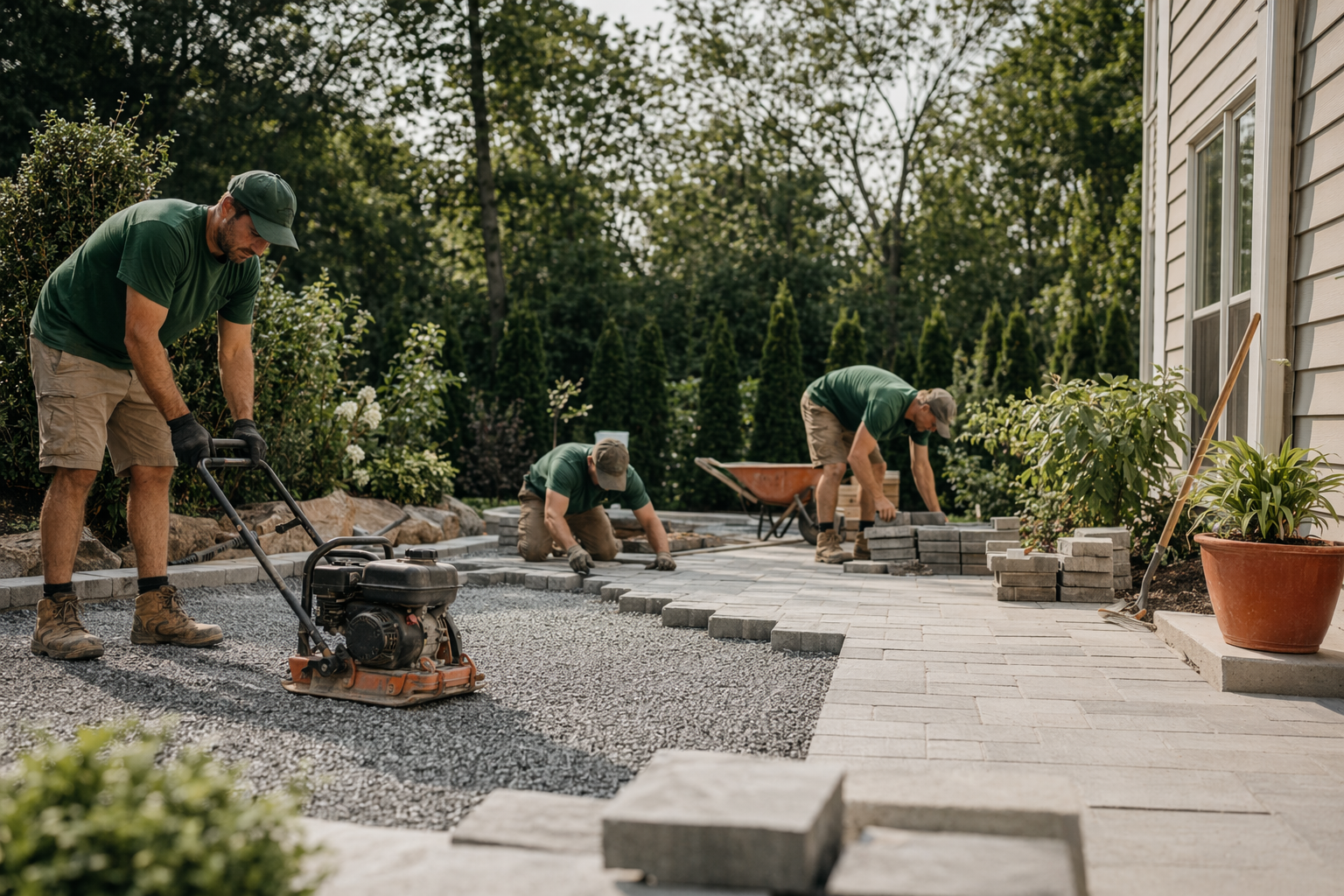
Even a simple fire feature is more than just setting stone in place. The site may need excavation, a stable base, drainage planning, and careful placement so the fire feature works with seating, walkways, and the rest of the yard. Gas lines, electrical ignition, lighting, and nearby structures all need to be considered early.
For fireplaces, the build can become much more involved because of height, weight, venting, and foundation needs. In some areas, permits, inspections, and specific setbacks or code rules may apply. HOA rules may also limit what is allowed, especially for visible structures, smoke-producing features, or gas work.
This is why it is smart to use licensed, insured local builders and, where required, a licensed engineer or your local building department for code and structural questions. Slate & Sod is a free matching service, not a contractor or design firm, and does not perform construction work.
Honest cost ranges for fire pits and fireplaces
Costs vary a lot by size, materials, fuel type, site access, slope, drainage, soil, and your area. These ranges are general information only, not quotes.
A simple prefab or basic built-in fire pit may start around $1,500 to $5,000. A more finished built-in gas or masonry fire pit with upgraded materials, seating, ignition features, or integration into a new patio often lands around $5,000 to $12,000 or more.
Outdoor fireplaces usually cost more because they are larger and more complex. Many basic installed fireplaces start around $8,000 to $15,000. A custom masonry fireplace with stone veneer, taller structure, premium finishes, gas setup, wood storage niches, lighting, or built-in seating can run $15,000 to $35,000+, and high-end projects can go beyond that.
The biggest cost drivers are usually fuel type, masonry work, finish materials, permits, utility connections, and whether the fire feature is part of a larger project like a patio, pergola, retaining wall, or outdoor kitchen. You can see more general pricing info on our costs page, but real numbers depend on the exact project and local conditions.
Common mistakes to avoid
The most common mistake is choosing the fire feature before thinking through the full space. A fire pit that is too large can crowd the patio. A fireplace can block a view or overwhelm a smaller yard. It helps to decide on seating, traffic flow, and patio size first, then fit the fire feature into the plan.
Another issue is underestimating safety, maintenance, and local rules. Wood smoke can bother neighbors. Gas lines and ignition systems must be installed correctly. Clearances from structures, trees, pergolas, furniture, and overhead elements matter. Requirements vary by area, so check with the local building department and use licensed pros for gas and electrical work.
Watch for contractor red flags too. Be careful with large cash-only deposits, no proof of license or insurance, vague quotes, no written contract, or pressure to sign right away. Get the scope and price in writing, compare a few quotes, and make sure you understand exactly what is included before work starts.
- Think about seating distance and walking space, not just the fire feature itself
- Ask who handles permits, utility work, cleanup, and final finish details
- Confirm materials, dimensions, ignition type, and what the quote includes
How to plan smart and get matched with a local builder
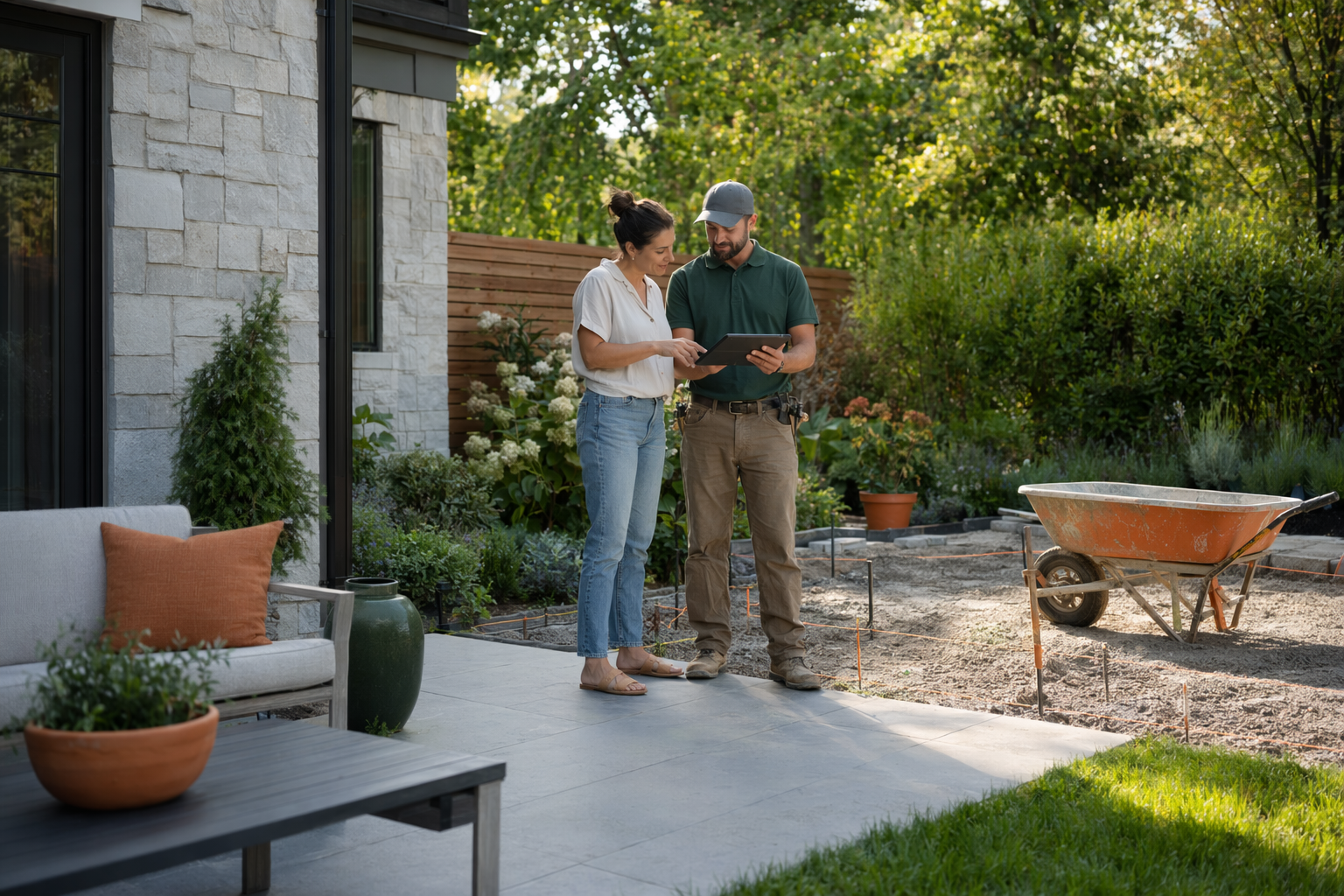
A good first step is to decide your rough budget and the kind of experience you want. Do you want quick and simple, or a statement feature that anchors the whole backyard? Do you want easy gas ignition, or do you love the feel of real wood? Those early choices help keep the project realistic.
Then gather a few inspiration photos and think about where people will sit, how close the feature is to the house, and whether this is a stand-alone project or part of a larger outdoor plan. If you are comparing options, our project guides can help you see how a fire feature fits with patios, pergolas, seating walls, and full backyard updates.
When you are ready, you can use get matched and we can help connect you with licensed, insured local outdoor-living or hardscape builders. Slate & Sod is always free for the homeowner. We collect basic contact and project details only, like your name, phone, optional email, project type, ZIP code, rough budget, and preferred language. You stay in control: compare written quotes, ask questions, and choose who to hire.
A fire pit is usually simpler and cheaper, a fireplace is usually bigger and more expensive, and the right choice depends on your yard, budget, and local rules.
Common questions
Is a gas fire pit better than a wood-burning one?
It depends on what matters most to you. Gas is cleaner and easier to use, while wood gives a more traditional fire feel but creates smoke, ash, and more cleanup.
How much does an outdoor fireplace cost?
Many installed outdoor fireplaces fall around $8,000 to $15,000 for simpler builds, while custom projects often run $15,000 to $35,000 or more. The real cost depends on size, materials, gas or wood setup, site conditions, and your area.
Do I need a permit for a fire pit or fireplace?
Often, yes, especially for gas lines, electrical ignition, or larger built structures. Rules vary by city, county, and HOA, so check local requirements and use licensed pros where needed.
Can a fire pit go on a paver patio?
In many cases, yes, but the design, base, clearances, heat exposure, and materials need to be handled correctly for the specific setup. A licensed, insured builder should review the plan and local code requirements.
What should I ask a builder before hiring?
Ask if they are licensed and insured, whether they handle permits, what exactly is included in the written quote, and how gas or electrical work will be done. Compare a few written quotes and avoid anyone pushing a large cash-only deposit or same-day decision.