Free downloads
Patio Planning Checklist
Use this free patio planning checklist to get your ideas out of your head and onto paper before you start calling builders. It helps you think through size, style, budget, materials, drainage, and the questions to ask when comparing quotes.
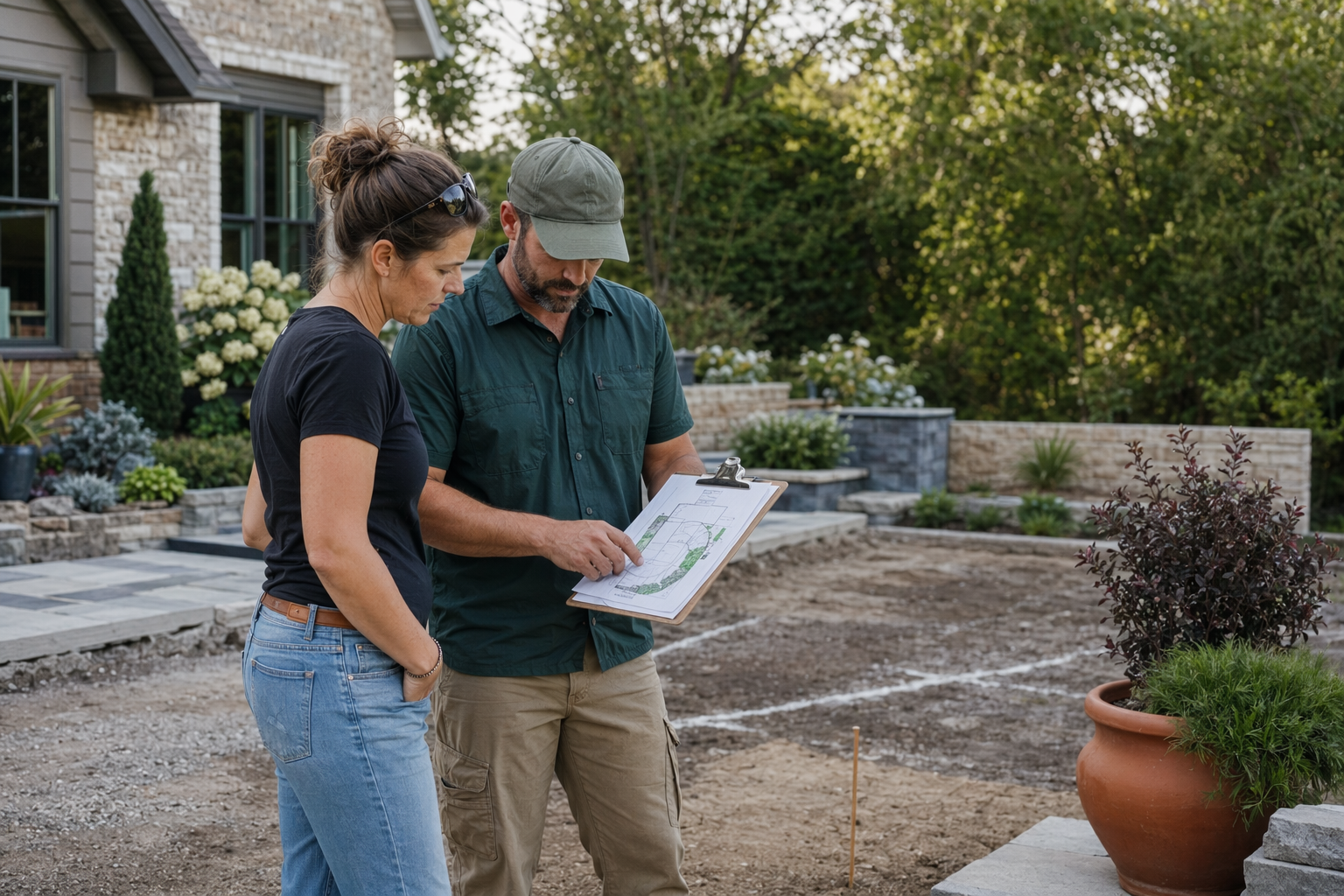
What this checklist helps you do
A patio sounds simple at first, but there are a lot of small choices that affect the final price and how much you enjoy the space. This checklist is for homeowners who want a clear, organized way to plan before they hire anyone.
It helps you picture how you’ll actually use the patio: morning coffee, family dinners, a grill area, a fire pit, or a quiet place to sit. It also gives you a place to note the basics builders will ask about, like your yard size, access to the space, and whether you want pavers, natural stone, concrete, or something else.
If you’re new to the U.S. or just not used to home improvement projects, this planner can make the process feel less confusing. It gives you a simple list of what to decide first, so you can talk with local builders more confidently.
- Good for first-time patio planners
- Helpful when you want to compare a few written quotes
- Useful for keeping your budget and wish list in one place
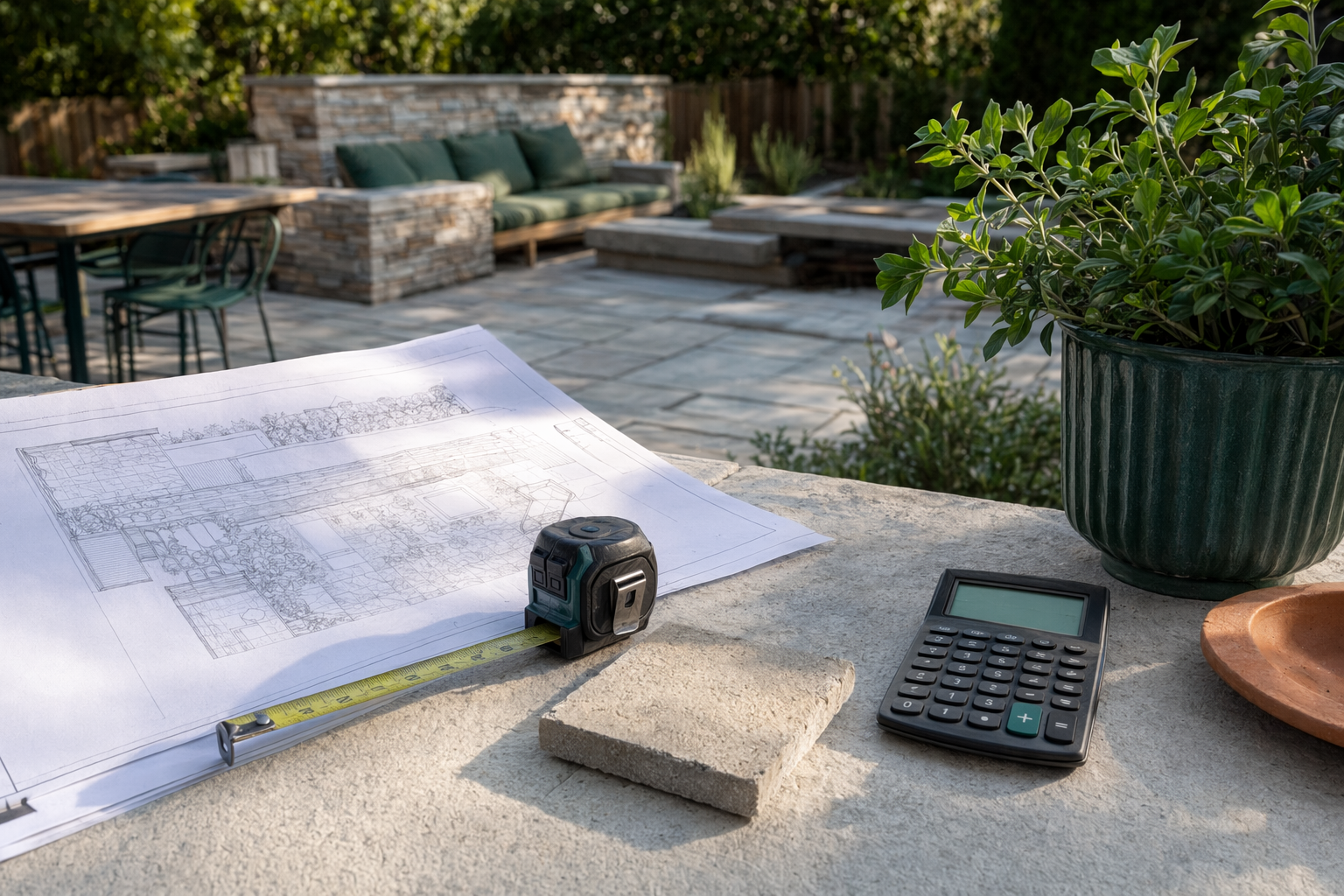
What’s inside the printable planner
The checklist walks you through the big planning questions in a simple order, from the first idea to the last quote. It is designed to help you avoid guessing and to make your conversations with builders more productive.
You’ll usually use it to write down things like the patio’s rough size, where it will go, what material you may want, whether you need lighting or a seating wall, and what kind of budget feels realistic. It also reminds you to think about site conditions such as slope, drainage, and access, because those can change the price a lot.
It includes space for questions to ask builders, too. For example: What is included in the quote? Is cleanup included? Who pulls permits if needed? What warranty, if any, is provided?
- Project goal and how you’ll use the patio
- Size, shape, and location notes
- Material ideas and finish preferences
- Budget range and “must-have” items
- Builder questions and quote comparison notes
How to use it step by step
When you use the checklist this way, you stay in control of the project. You decide the budget, compare written quotes, and choose who to hire. Slate & Sod is a free matching service, not a contractor or design firm, so the actual planning, measuring, and construction are handled by licensed, insured local builders.
For anything involving gas, electrical, major drainage work, or permit-heavy changes, use licensed pros and check with your local building department. Rules and HOA requirements vary by area, so it’s smart to verify what’s allowed before work starts.
What drives patio cost up or down
Patio prices can vary a lot. A small, simple patio on easy ground usually costs less than a larger patio with curves, steps, or special finishes. Materials matter too: basic concrete is often less expensive than many paver or natural stone options, while high-end stone and detailed patterns can cost more.
Site conditions are a big factor. A yard with slope, drainage issues, poor soil, limited access, or removal of old concrete can raise the cost. Adding extras like a retaining wall, outdoor kitchen, pergola, fire pit, or lighting can also increase the total.
As a very general U.S. planning range, a basic patio might start in the low thousands, while larger or more detailed projects can reach the mid-to-high thousands or more. That is only a planning range, not a quote. The real number depends on your project size, materials, yard conditions, and local market.
- Small, simple patios usually cost less
- Complex layouts and premium materials cost more
- Poor drainage, slope, or tight access can raise labor costs
- Add-ons like lighting, walls, and kitchens add to the total
How to compare builders without getting burned
Once you have your checklist filled out, use it when you talk to a few licensed, insured builders. Ask each one for a written quote that shows the scope, materials, and what is included. That makes it easier to compare offers and avoid surprises later.
Watch for red flags like a large cash-only deposit, no license or insurance, vague pricing, no written contract, or pressure to decide right away. A good builder should be willing to explain the work in plain language and answer your questions without rushing you.
If you want help getting started, you can get matched with local builders, browse project ideas, or read our guide to vetting a contractor. You stay in control the whole time: compare a few quotes, check credentials, and choose the person you trust.
This free checklist helps you plan a patio, compare builders more clearly, and avoid expensive surprises by writing down your budget, materials, and questions first.
Common questions
What is the Patio Planning Checklist for?
It helps you plan your patio before you hire anyone, so you can organize your budget, materials, size, and questions for builders. It also makes it easier to compare written quotes.
Is Slate & Sod the contractor?
No. Slate & Sod is a free matching service, not a contractor, builder, or design firm. We help connect homeowners with licensed, insured local outdoor-living builders.
Do I need to know my exact patio design before using the checklist?
No. A rough idea is enough to start. The checklist is meant to help you think through the project and get better quotes, not to replace a builder’s measurements or plans.
What information should I have ready when I ask for help?
Usually just your name, phone, optional email, project type, ZIP code, rough budget, and preferred language. We only collect contact and project-intent details.