Free downloads
Contractor Vetting Checklist
Use this free Contractor Vetting Checklist to feel confident comparing outdoor-living builders in your area—before you sign or pay. It’s a practical way to confirm licensing, insurance, written quotes, and red flags.
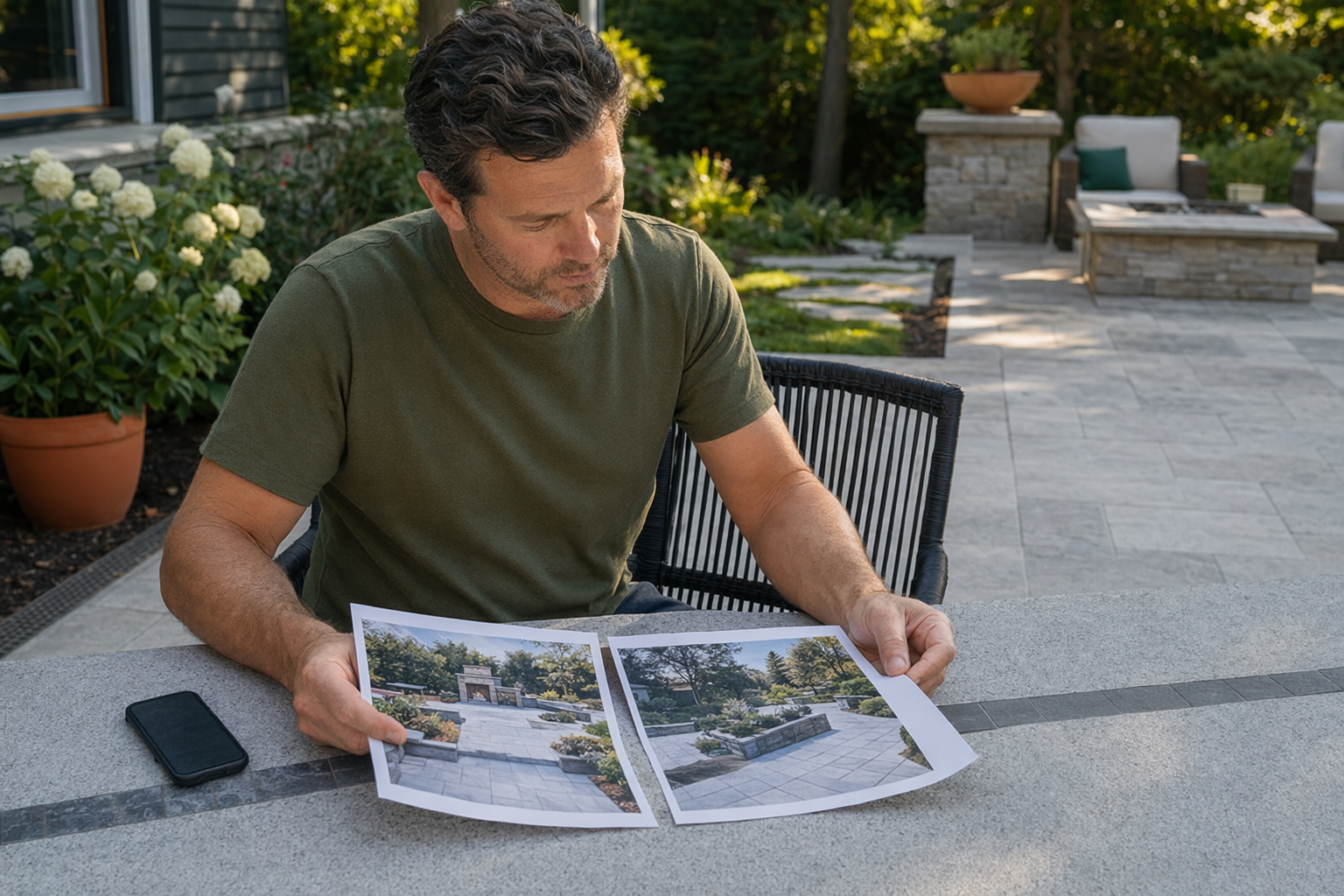
What this free checklist includes
This PDF download is a simple, homeowner-friendly checklist for vetting outdoor-living and hardscape contractors (like patio/pavers, walkways, retaining walls, outdoor kitchens, fire features, pergolas, and pool decks). It helps you compare builders on the things that actually matter: proof, clarity, and professionalism.
The checklist is designed to be used while you’re collecting quotes. You’ll be able to note what each builder provides and spot gaps early—like missing paperwork, unclear pricing, or pressure to decide fast.
What you’ll find inside:
- License and insurance items to verify
- Portfolio and project examples (with questions to ask)
- References and how to follow up
- Written quotes and scope details to request
- Payment expectations and contract expectations
- Common red flags to avoid
Slate & Sod is a FREE matching service—we don’t build or guarantee outcomes. This checklist is general information to help you choose a licensed, insured builder with clear terms.
- Helps you compare quotes side-by-side, even if builders use different wording
- Great for first-time renovators and homeowners new to the US
Who this helps most
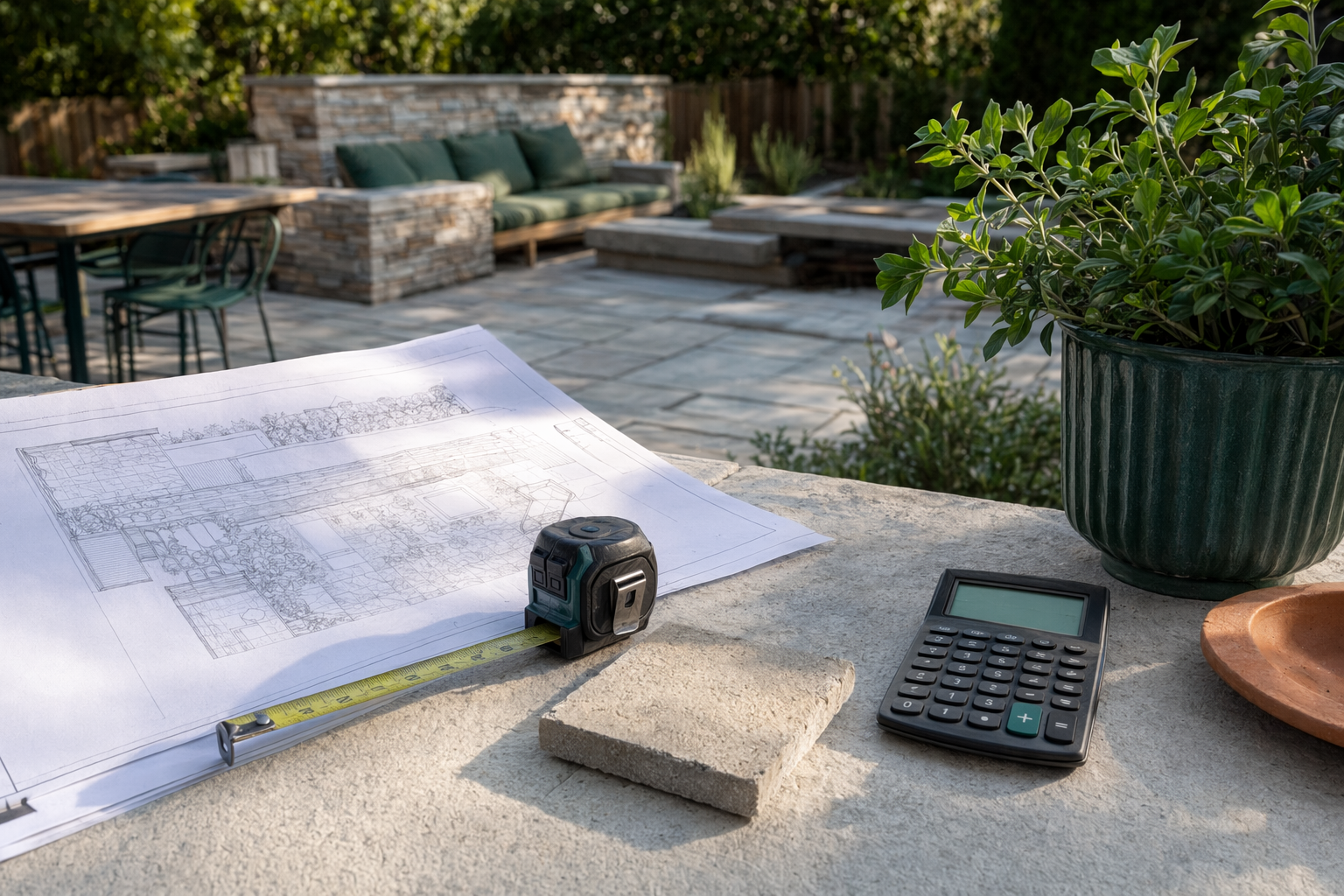
If you’re planning a backyard upgrade and you want to protect yourself from surprises, this checklist is for you. It’s especially helpful if you’re new to the US, not fully comfortable with contractor language, or you’ve never hired a hardscape/outdoor-living builder before.
Even if you already know what you want—like a patio with pavers, a fire pit, or an outdoor kitchen—the builder vetting step is where homeowners often feel stuck. This checklist gives you a clear path so you’re not relying on gut feeling.
Use it if you’re:
- Getting your first quote
- Comparing multiple bids
- Unsure what paperwork you should ask for
- Worried about unclear “allowances” or vague line items
- A good “homeowner checklist” for anyone hiring contractors in the US
- Keeps you organized before you spend money or sign a contract
How to use it when planning your outdoor project
Start by downloading the checklist and gathering your project basics: what you want to build, your preferred materials (if you have them), and your rough budget range. Don’t worry—you don’t need perfect specs. Builders will refine details during the quote process.
Then use the checklist as you talk to each builder. The goal is to confirm what they can do and what you can expect, in writing. If you can’t find an item (for example, insurance proof or a clear scope), mark it and ask.
A practical workflow:
1. Create a simple “project summary” (what/where/rough size)
2. Ask for a written quote and request the same scope questions to compare builders fairly
3. Verify license and insurance before you pay any deposit
4. Review payment terms and make sure there’s a written contract
5. Check red flags and walk away if anything feels off
If your plan includes anything that may require permits or specialized work (like gas lines, electrical, or a major retaining wall), that’s a reason to confirm how the builder handles permits and licensed trades. Always follow your local building department’s rules.
- Use the checklist to keep conversations consistent across multiple quotes
- Bring it to meetings so you don’t forget what to ask
Comparing quotes the smart, homeowner way
A written quote should help you compare apples to apples. Two quotes can look similar on the surface but differ a lot in scope—like what’s included for prep work, edging, base materials, drainage considerations, cleanup, and how changes are handled.
Use the checklist to look beyond the total price. Pay attention to clarity: What exact materials and thicknesses are planned? What does the quote include for site access? What happens if you discover site conditions that weren’t visible before work starts?
As you compare, keep these common money-savers in mind (general guidance):
- Clear scope usually costs less in change orders than unclear scope
- “Allowances” can raise your final cost—make sure you understand what’s included
- Better site access and planning can reduce labor surprises
A note on pricing: cost ranges depend on project size, materials, site conditions (slope, access, drainage, soil), and your area. Ranges are helpful for budgeting, but they’re not quotes—your final price comes from the written scope a licensed, insured builder provides.
- Get the scope and price in writing before work starts
- Compare at least a few quotes when you can
Red flags to watch for (and what to do next)
Most builders do good work and communicate clearly. Still, some situations are worth taking seriously. If you see these red flags, pause and ask for clarification—then consider walking away.
Common contractor red flags include:
- Large cash-only deposits or unusual upfront demands
- No visible license/insurance or unwillingness to provide documentation
- Vague quotes that don’t list what’s included and what’s excluded
- Pressure to decide immediately or refusal to put terms in writing
- No written contract, unclear change-order process, or sketchy payment schedules
What to do next:
- Ask for the scope and total price in writing
- Confirm license/insurance through the builder and the appropriate local channels
- Request references and follow up with real past customers
- Compare your top 2–3 options, not just the lowest number
Slate & Sod helps connect you with licensed, insured local outdoor-living builders—but we’re not the builder, and we don’t perform construction. Your job as the homeowner is to verify paperwork and confirm the scope before you sign.
- No written contract = higher risk. Always insist on clear terms
- Trust clarity: you should understand what you’re paying for
Use the checklist with Slate & Sod (FREE matching)
If you’d like help finding local builders to quote your outdoor project, you can use Slate & Sod’s FREE matching service. Fill out a short form with your ZIP code, project type, rough budget range, and preferred language.
We collect contact + project intent only—no sensitive financial information. Once you submit, we connect you with local, licensed, insured builders who match what you’re planning so you can request quotes directly.
If you’re not sure where to start, these guides can help:
- How to vet a contractor
- See outdoor-living project ideas
- Get matched with local builders
Your checklist and your budget should stay in control. You set the budget, compare written quotes, and choose who to hire—after you confirm the scope and pricing.
- Service is FREE for homeowners
- You choose the contractor—Slat & Sod does not do construction
Download the free Contractor Vetting Checklist to verify license/insurance, compare written scopes, and spot red flags before hiring a builder for your outdoor-living project.
Common questions
Is Slate & Sod a contractor that will build my patio or outdoor kitchen?
No. Slate & Sod is a FREE matching service that connects you with licensed, insured local outdoor-living/hardscape builders. We don’t perform construction work.
Will this checklist tell me the exact price my project will cost?
No. The checklist is for vetting and comparing builders, not pricing advice. Outdoor-living costs vary by project size, materials, and site conditions, so ranges can help budgeting but written quotes determine your final cost.
What should I ask for in a written quote?
Ask for a written quote that clearly lists the scope (what’s included), materials, key details, timeline expectations, payment schedule, and how changes are handled. The checklist will help you keep your questions consistent across builders.
Do I need permits?
Often, yes—especially for certain structures or features. Permit rules vary by city/county and by what you’re building. A licensed, insured builder can explain what they expect to permit, but always check local requirements with your building department.
How do I verify license and insurance?
Request proof from the builder, then verify through the appropriate state or local channels where applicable. If a builder can’t provide documentation or avoids verification, that’s a red flag.