How we've helped
How a homeowner spotted a contractor scam in time
This is an anonymized, illustrative story about how one homeowner noticed contractor red flags early and protected their budget. Slate & Sod is a free matching service—we don’t build anything, but we help you connect with licensed, insured local builders.
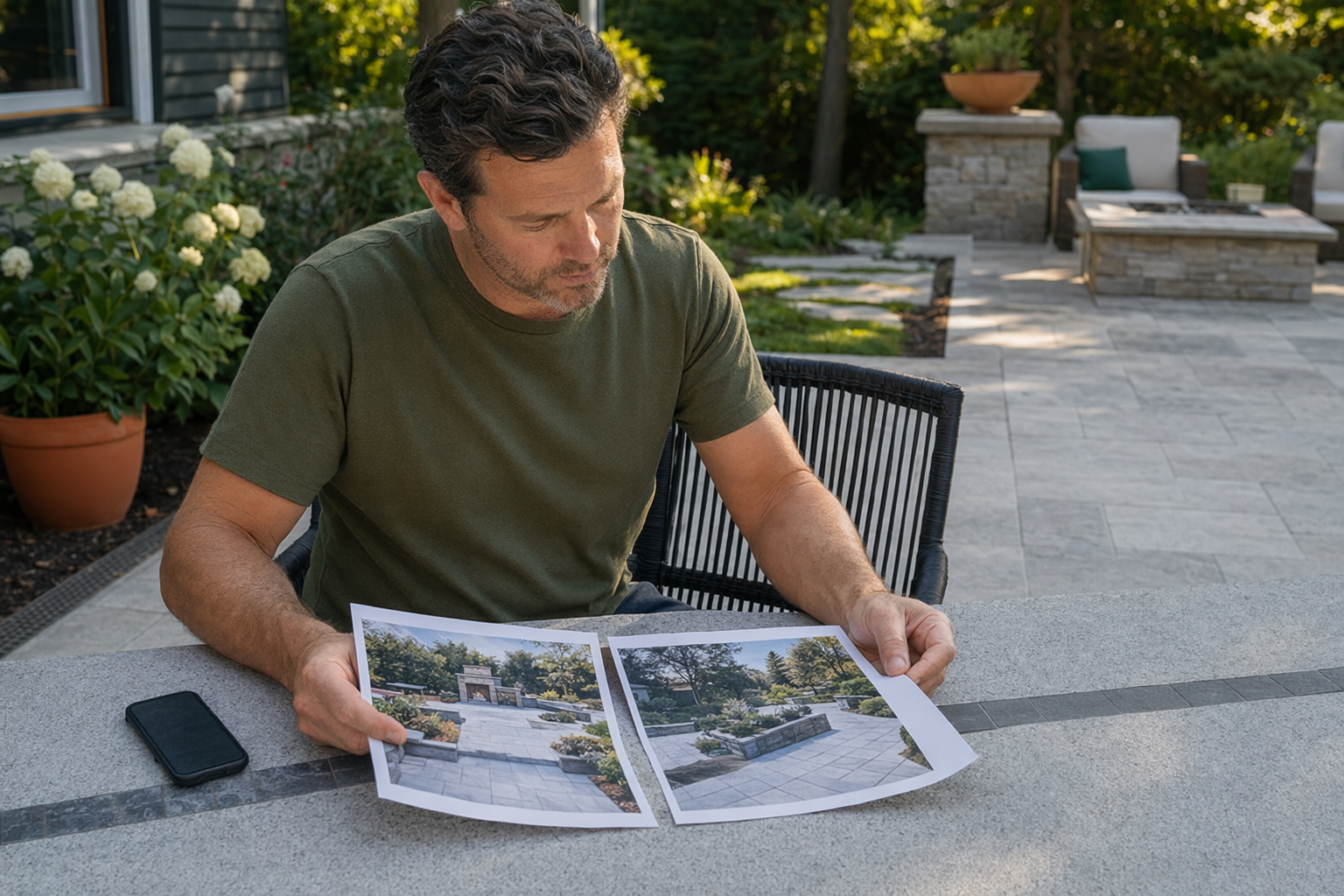
Illustrative story: the red flags that popped up fast
Note: This is an anonymized example, not a named client and not a guarantee of what will happen in your area.
A homeowner wanted a simple outdoor upgrade: a paver patio with a small walkway from the driveway and a gas-ready spot for a future grill area. They were excited—also busy—so they asked for a bid quickly.
The first “contractor” offered a fast timeline and asked for everything to move immediately. The quote looked high, but the bigger problem was what they couldn’t show:
- Cash-only language
- No license or insurance paperwork offered
- A huge upfront deposit (far more than the homeowner expected)
- A vague scope (“we’ll handle it”) without written measurements or material specifics
- Pressure to sign on the spot
The homeowner paused. They asked for the project details in writing and requested proof of licensure and insurance. The contractor’s answers didn’t add up, and the tone got pushier.
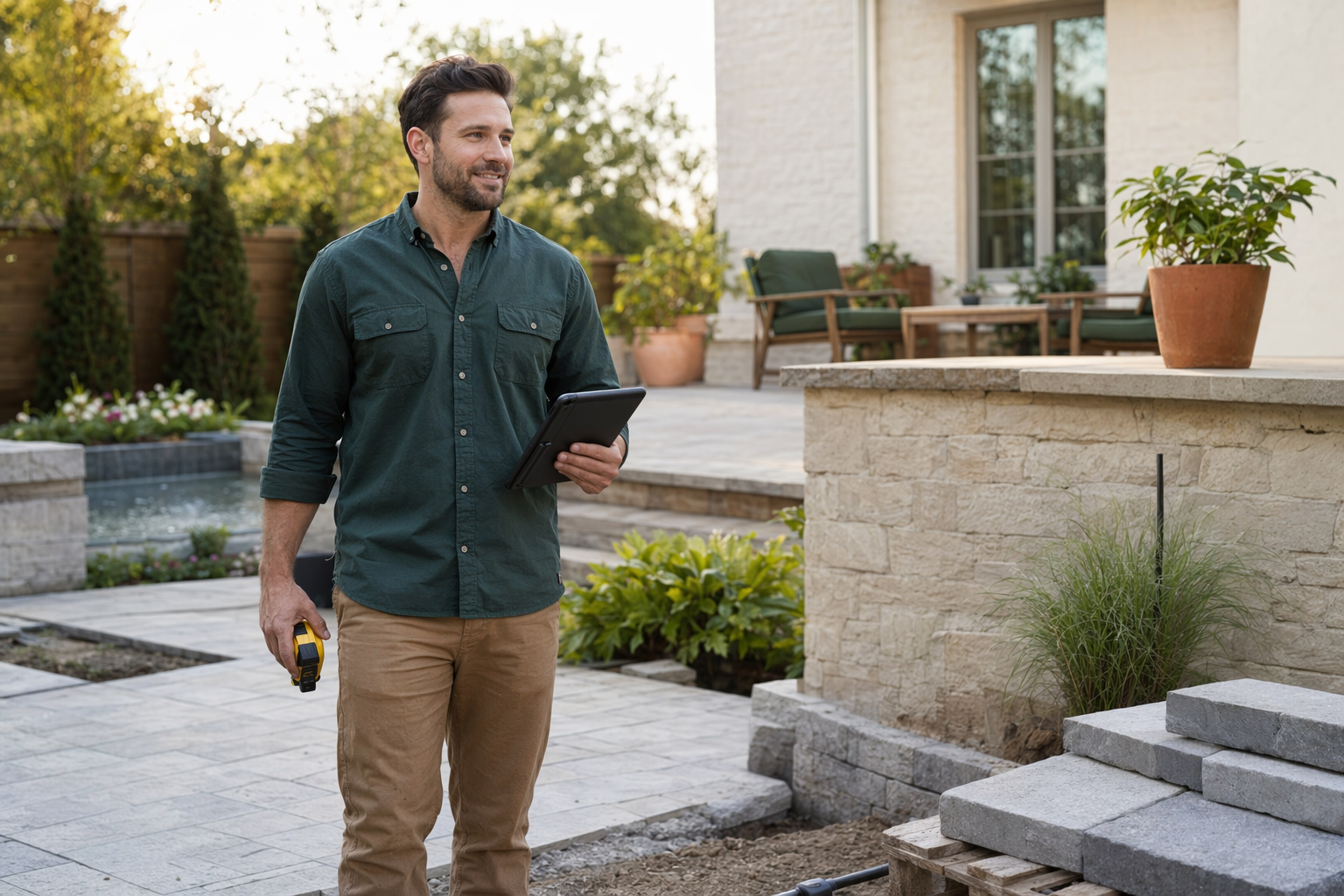
How they slowed down—without losing momentum
Smart planning isn’t just about materials—it’s about process. The homeowner took a breath and treated it like a budget decision, not a “who’s quickest” contest.
They gathered a basic checklist before contacting anyone else:
- Project type (patio + walkway)
- Approx. dimensions they could estimate (even rough is fine)
- Desired look (colors, finish style)
- Must-haves (stable base, clean edges, walkthrough path)
- Budget range they were comfortable with (they set this first)
Then they used that same checklist to ask every builder for a written proposal. They didn’t need engineering advice—just clear scope, pricing, and what’s included (and what’s not).
What “good” written quotes looked like
A homeowner can’t compare apples to apples without written scope. In this illustrative example, the homeowner asked for the same kind of details from each quote so they could judge value, not just numbers.
The better quote included specifics like:
- Patio and walkway layout and approximate square footage
- Paver/stone type and finish (not just a general category)
- Base and edging approach described in plain language (and what’s excluded)
- Drainage/grade considerations described at a high level (with a reminder that local code and site conditions matter)
- Clear line items for labor and materials
- A payment schedule that didn’t rely on a huge cash upfront deposit
- A written start/finish target and what might cause changes
The homeowner also requested proof of license and insurance. If a builder couldn’t provide it—or kept avoiding direct answers—that was a deal-breaker.
Vetting the builder: small checks that catch big problems
In this story, the homeowner didn’t try to “become a contractor.” They focused on verification and clarity—things you can do without special training.
They checked:
- License and insurance documentation before signing anything
- Whether the contract included a detailed scope (materials, layout, and exclusions)
- Whether change orders were described clearly (how changes affect price and timing)
- Whether all pricing was in writing and easy to understand
- Whether communication stayed professional, especially when they asked questions
They also set a personal rule: never sign a contract under pressure. They chose to keep control—asking questions, comparing proposals, and moving forward only when the scope and price made sense.
Getting matched the right way (and staying in charge)
After the red flags, the homeowner used Slate & Sod to get matched with licensed, insured local outdoor-living and hardscape builders. Slate & Sod is a free matching service, not a contractor and not a design firm—we don’t perform construction work.
Here’s what the homeowner did next:
- They shared their project intent (paver patio + walkway) and their rough budget range.
- They provided their ZIP code and preferred language for easier communication.
- They reviewed the matched options and chose who to request written quotes from.
- They compared each proposal against the same “must-have” checklist.
Because the homeowner stayed organized and insisted on written details, they avoided the feeling of being rushed. They ultimately selected a legitimate builder who gave a clear contract, reasonable payment terms, and a scope that matched what they wanted—without “surprises” baked into the quote.
What it cost (ranges) and what affected the final price
In most US areas, a paver patio + walkway can vary a lot. As an example of realistic thinking (not a quote):
- Smaller patio projects often land in a mid-range per square foot once materials, base prep, and edging are included.
- Costs can increase if you add significant square footage, complex patterns, heavy cuts at borders, or multiple features.
- Site conditions matter: slope, soil conditions, drainage needs, access for equipment, and how much removal/cleanup is required can all move the number.
Timeline and price also depend on how “complete” the quote is. A vague quote might be tempting, but it usually leads to change orders later. A written scope helps you understand what you’re paying for upfront.
Watch for cash-only, no-license, and vague written quotes, then compare clear written proposals to protect your budget—Slate & Sod can help you find legitimate local builders to ask.
Common questions
Is cash-only and a large upfront deposit always a scam?
Not always, but it’s a major red flag. Legit builders typically put everything in writing and offer clear payment terms tied to the project scope. If a contractor refuses proof of license/insurance or pressures you to pay quickly, walk away and get other quotes.
What should I ask for to compare quotes fairly?
Ask for a written scope with materials (paver/stone type and finish), approximate square footage, layout, what’s included/excluded, and a payment schedule. If you’re getting gas/electrical-related work, confirm which parts require licensed pros and permits.
How does Slate & Sod help if I’m worried about scams?
We’re a free matching service that helps connect homeowners with licensed, insured local outdoor-living and hardscape builders. We don’t build or replace your due diligence—your job is to review contracts, confirm scope, and compare written proposals.
Can I use this story as a guarantee for my project?
No—this is an illustrative, anonymized example. Costs, rules, and builder practices vary by location and site conditions. Use it to spot patterns: clarity, verification, and written scope are your best protection.