How we've helped
An outdoor kitchen that stayed on budget
This anonymized story shows how one family planned an outdoor kitchen around a real budget, compared written quotes, and avoided extras they did not need. It is an illustrative example, not a named client story or a guarantee of results.
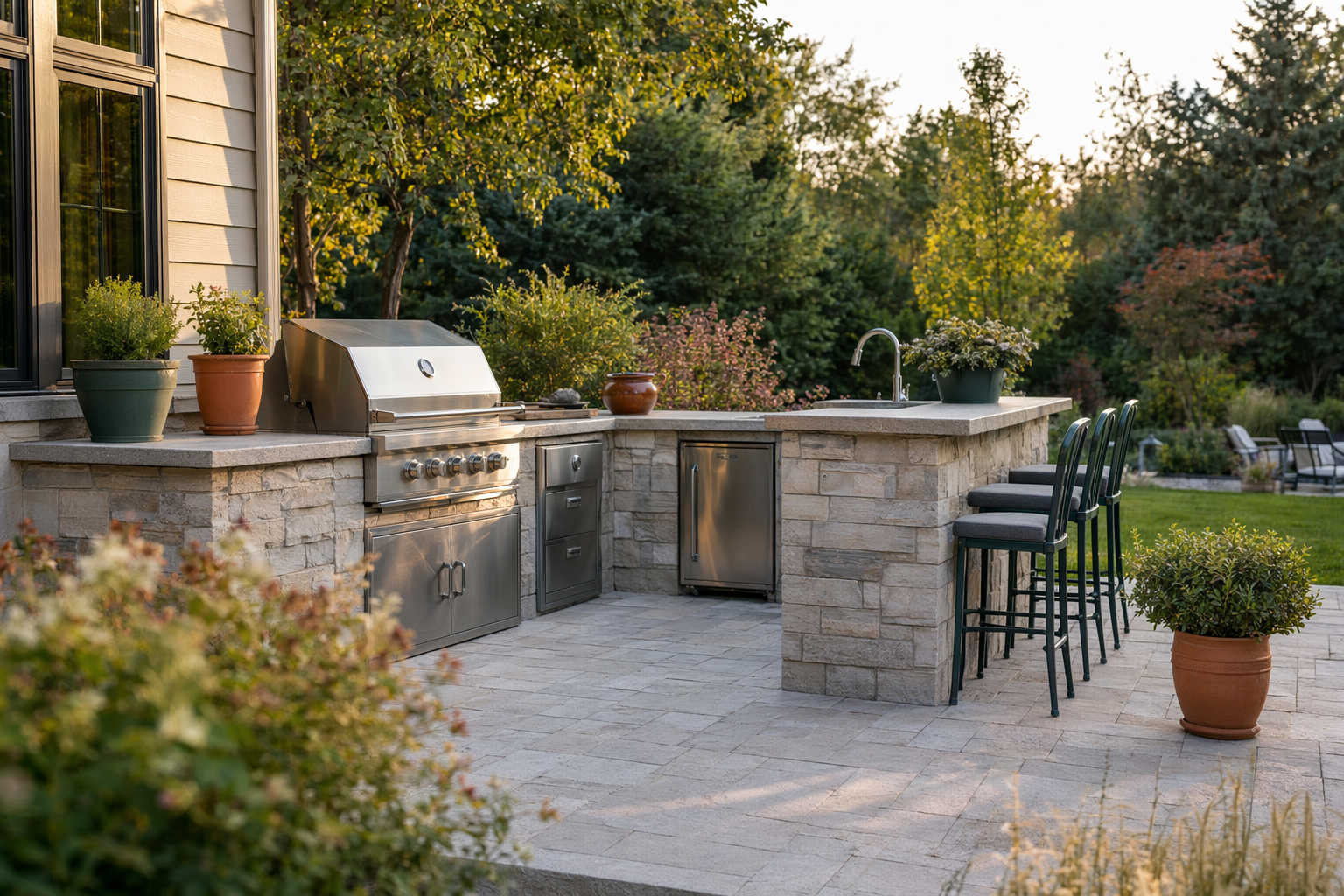
A family wanted the fun of an outdoor kitchen — not a surprise bill
This is an anonymized, illustrative story based on common homeowner situations. The goal is simple: show how a family got the outdoor kitchen they actually used, without saying yes to every upgrade.
They started the way many people do. They pictured weekend dinners outside, a grill that did not need to be rolled in and out, a small counter for prep, and a place for cold drinks. What they did not want was a long wish list that pushed the project far past what they could comfortably spend.
Their backyard already had a usable patio, so they did not need a full redesign. That mattered. Instead of treating the project like a luxury showroom build, they focused on a practical setup that fit their yard, their habits, and their budget.
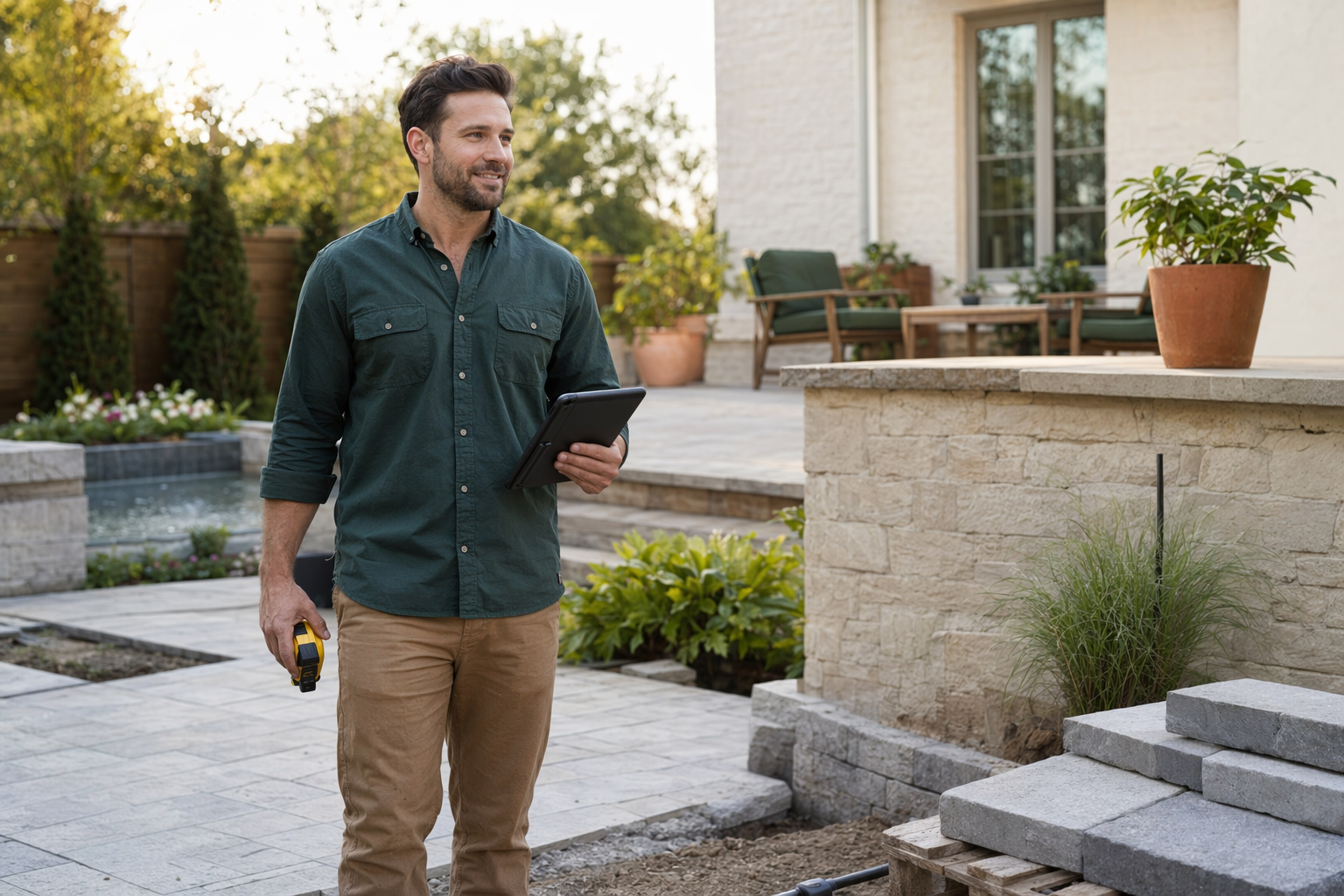
They set the budget first, then built the wish list around it
Before speaking with builders, they set a spending range they could live with. For them, that meant planning around a modest outdoor kitchen with a built-in grill, simple counter space, storage, and lighting — while staying cautious about add-ons like a sink, refrigerator, pizza oven, bar seating, or custom pergola.
That early step saved them money. A basic outdoor kitchen can land in a wide range, often around $8,000 to $20,000+ for a simpler setup, while larger or more custom projects can rise well beyond that. The real number depends on the size, finish level, utility connections, site access, local labor costs, and whether gas, electrical, drainage, masonry, or additional patio work is needed. These are general ranges, not quotes.
They made two lists: must-haves and nice-to-haves. The must-haves were a quality grill, durable counter space, and enough room to serve food. Nice-to-haves included a sink, fridge, and decorative stone veneer. Once they saw the likely costs, they kept only one or two extras and paused the rest for a future phase.
They compared written quotes instead of shopping by the lowest number
Next, they spoke with a few local builders and asked for written quotes with a clear scope. That helped them compare real differences, not just headline prices. One quote looked cheap at first, but it was missing electrical details, finish allowances, and cleanup. Another included a long list of upgrades they had never asked for.
The quote they liked most was not the lowest. It was the clearest. It listed what was included, what materials were assumed, who handled permits, and which parts could change the price. That gave the family something important: a realistic starting point.
They also learned to watch for red flags:
- very large cash-only deposits
- no proof of license or insurance
- vague allowances instead of a clear scope
- pressure to sign right away
- no written contract or payment schedule
Comparing a few written quotes helped them see where the money was really going. It also made later changes easier to understand, because the original scope was already in writing.
They trimmed the expensive extras that would not change daily use
Once the quotes were in, the family sat down and asked a smart question: what features would actually make this space better every week? That kept them from overbuilding.
They skipped several items that sounded exciting but added a lot to the total. A sink meant more plumbing work. A refrigerator raised both purchase and electrical costs. A decorative finish upgrade looked nice, but the simpler finish was still durable and fit the yard. Instead of trying to do everything now, they chose a layout that could be expanded later.
That is often the difference between a project that feels good and one that feels stressful. Keeping the footprint compact, limiting utility work, and choosing straightforward materials can reduce cost and complexity. In many areas, gas and electrical work require licensed professionals and permits, and those requirements can affect both budget and timeline. Local rules, HOA standards, and building department requirements vary by area.
This is also where honest builder input matters. A licensed, insured builder can explain what is practical for your yard and what may trigger more site work, utility work, or permit review. Slate & Sod is a free matching service, not a contractor or design firm, so we do not build projects or give construction advice — but we do encourage homeowners to ask careful questions and compare the details in writing.
They vetted the builder, not just the design
The family checked that the builder was licensed and insured and asked who would actually be doing the work. They also asked how changes would be handled, what the payment schedule looked like, and whether utility work would be completed by properly licensed trades where required.
That step gave them confidence. A polished idea board is nice, but a clear contract matters more. They wanted the scope, materials, rough schedule, and payment terms in writing before work started. They also wanted to know what could cause delays or added cost, such as hidden utility issues, access problems, or changes they requested mid-project.
Homeowners sometimes feel awkward asking these questions, especially if they are new to this kind of project or newer to the US building process. But asking is exactly what protects your budget. The homeowner stays in control: you set the budget, compare written quotes, choose who to hire, and confirm the scope and price before work begins.
The finished result felt complete — without feeling overdone
In the end, the family got what they wanted most: a practical outdoor kitchen that made their patio easier to use. It was not the biggest setup they had seen online, and that was the point. It fit the yard, the way they cook, and the amount they wanted to spend.
Their project went better because they planned in the right order. They started with budget, defined the must-haves, compared written quotes, checked credentials, and stayed careful about upgrades. That approach will not guarantee the same price or outcome on every project, but it can help homeowners avoid common mistakes.
If you are planning your own project, see more stories for ideas, learn how the process works, or get matched with local licensed, insured builders. Slate & Sod is always free for homeowners. We only collect basic contact and project-intent details like your name, phone, optional email, project type, ZIP code, rough budget, and preferred language so you can start the conversation.
This story shows that an outdoor kitchen usually goes better when you set the budget first, keep the scope clear, and compare written quotes from licensed, insured builders.
Common questions
How much does an outdoor kitchen usually cost?
A simpler outdoor kitchen often starts around $8,000 to $20,000+, while larger or more custom builds can cost much more. The real price depends on size, materials, utility work, site conditions, and your area, so ranges are not quotes.
What features raise the price fastest?
Utility work, larger layouts, premium appliances, custom masonry, refrigeration, sinks, and added structures like pergolas can all push the total up. Site access, drainage, slope, and permit requirements can also affect cost.
Should I get more than one quote?
Yes. Comparing a few written quotes helps you spot missing scope, vague pricing, and costly add-ons. Ask for clear details in writing so you can compare the same project fairly.
How do I know if a builder is legitimate?
Ask for proof of license and insurance, get the scope and payment terms in writing, and be cautious about large cash-only deposits or pressure to sign immediately. For gas and electrical work, use properly licensed pros and make sure permits are handled where required.
What does Slate & Sod do?
Slate & Sod is a free matching service for homeowners, not a contractor or builder. We help you get connected with local licensed, insured outdoor-living and hardscape builders so you can compare options and choose who to hire.