Services
Outdoor kitchen design and build
An outdoor kitchen can turn a patio into a place where people actually gather, cook, and stay awhile. This guide explains what goes into one, what affects cost, and how to find a licensed local builder for the job.
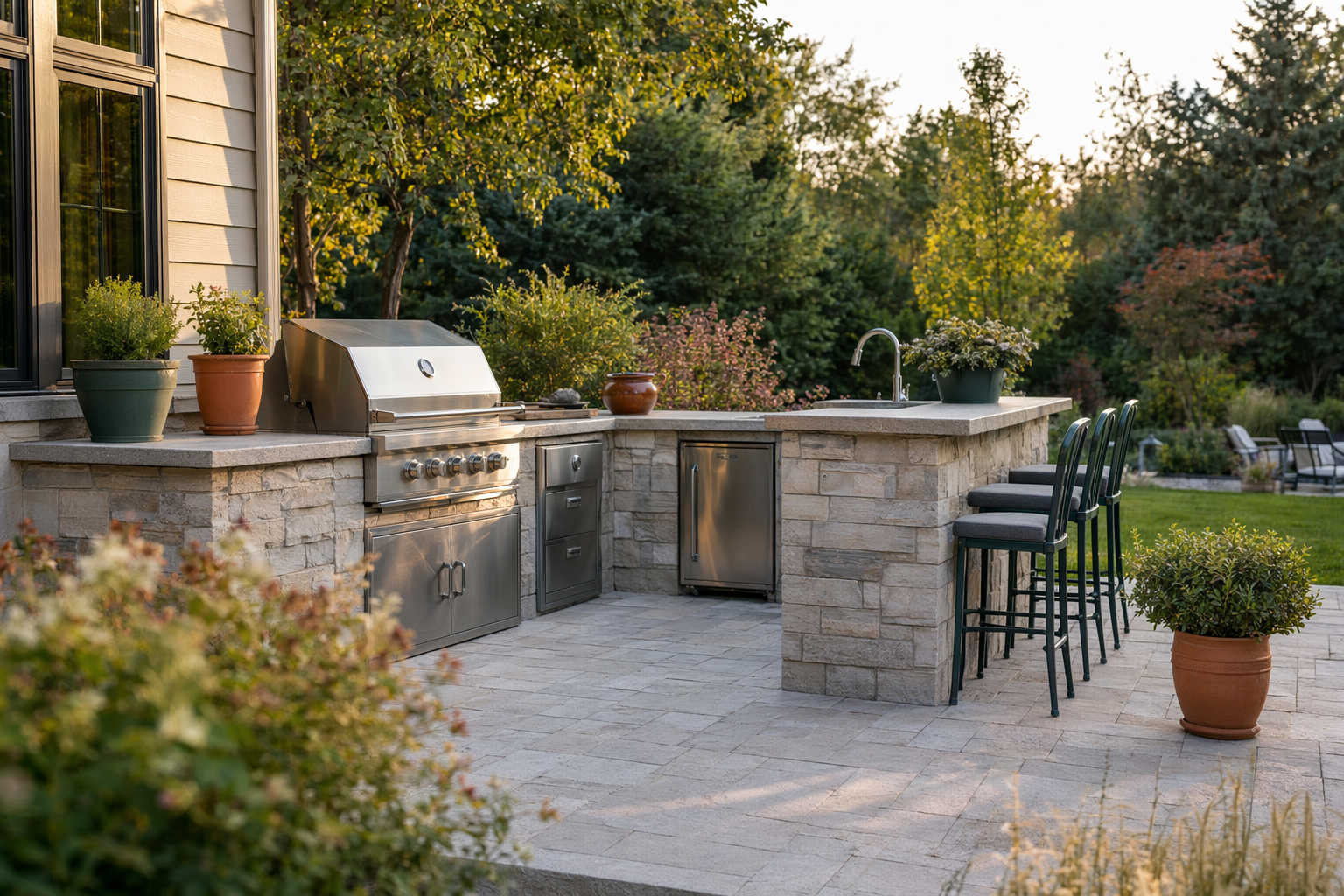
What an outdoor kitchen build usually includes
An outdoor kitchen is more than a grill set on a patio. Most projects combine a cooking area, built-in structure, countertop space, storage, and utility connections so the space feels permanent and works well outside.
A simple setup might include a grill island with counter space. A larger one may add a sink, refrigerator, side burner, pizza oven, bar seating, lighting, shade, or a nearby fire feature. Some families want a compact cooking wall; others want a full entertaining area tied into a patio, pool deck, pergola, or backyard plan.
Because outdoor kitchens involve heat, weather, moisture, and often gas, water, and electrical lines, they need careful planning. Slate & Sod is a free matching service, not a contractor or design firm, so we do not build these projects ourselves. We help homeowners connect with licensed, insured local builders so they can compare options and choose who to hire.
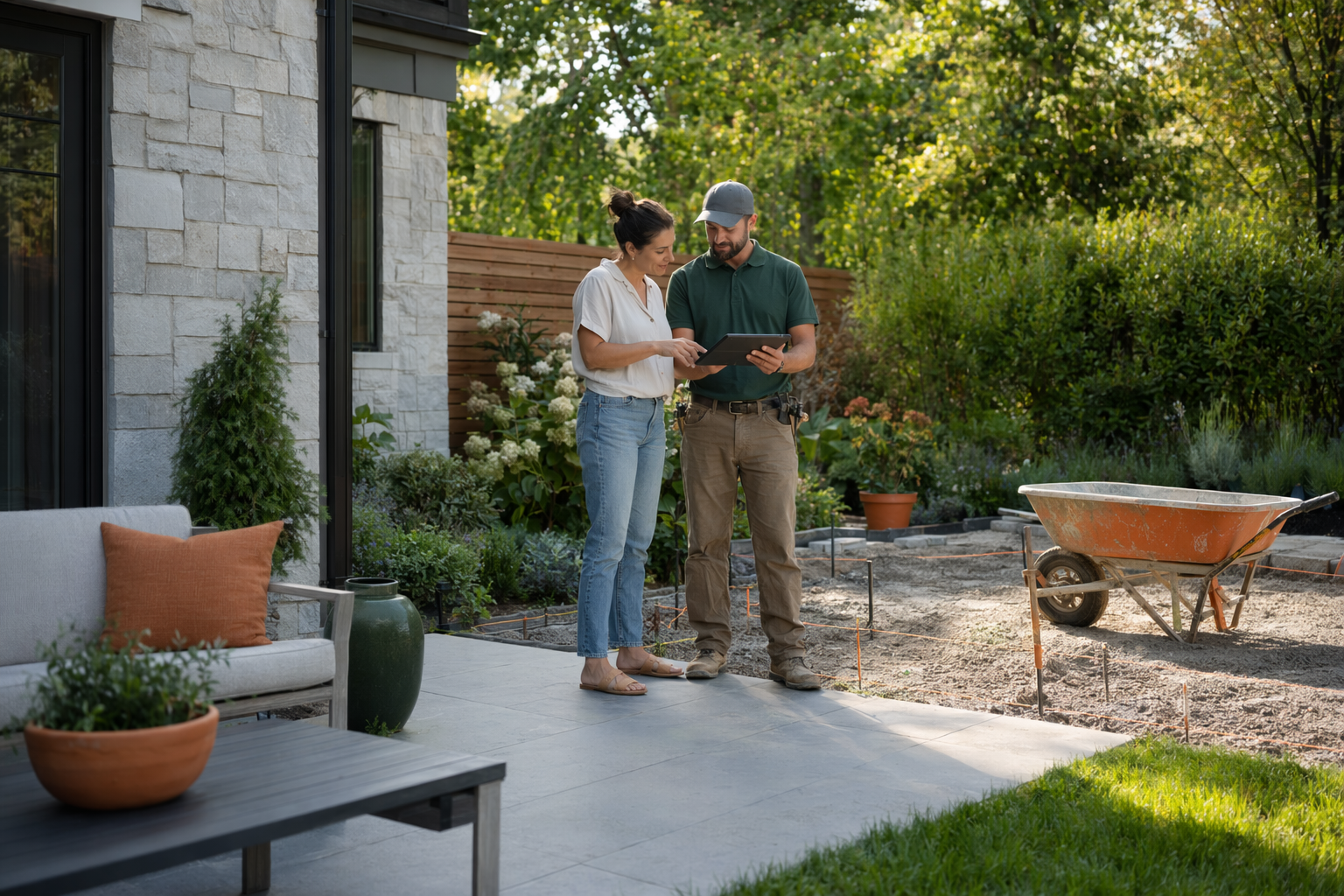
How builders plan the layout, structure, and utilities
A good builder starts with how you will really use the space. Do you mostly grill for your household, or host larger groups on weekends? Do you want quick cleanup with a sink and trash pullout, or do you mainly want serving space and seating? Those answers shape the size, appliance list, and budget.
The layout usually begins with the patio or hardscape around it. Builders look at access from the house, wind, sun, roof overhangs, slope, drainage, and how people will move around the area. They also think about where utility lines may run and whether the kitchen should be open-air or partly sheltered by a pergola or covered structure.
The structure itself is often built with masonry block, metal framing made for outdoor use, or another exterior-rated system approved for the application. Then come finishes like stone veneer, stucco, brick, porcelain, tile, or countertop materials made to handle outdoor conditions. Appliance openings, ventilation needs, and clearances all matter, especially around grills and other heat-producing equipment.
If the project includes gas, electrical, or plumbing work, a licensed pro and permits are generally required. Local codes vary, and some areas or HOAs have rules about utility work, setbacks, venting, and covered structures. Your builder and local building department can explain what applies in your area.
Base prep, drainage, and materials matter more than most people think
Homeowners often focus on the grill, countertop, and finish color first, but the hidden work matters just as much. An outdoor kitchen needs a stable base under it, whether it is being added to an existing patio or built as part of a new hardscape project. If the base is weak, uneven, or poorly drained, the finished kitchen may shift, crack, or age badly.
Builders usually check the condition of the patio or slab, the slope of the yard, and whether water collects near the planned kitchen area. Drainage matters because standing water can damage finishes, create slip hazards, and shorten the life of cabinets, appliances, and nearby hardscape. In some yards, drainage improvements may be needed before the kitchen goes in.
Material choice affects both look and upkeep. Natural stone can feel timeless but may cost more and may need sealing depending on the material. Concrete block with a veneer finish is common because it is durable and flexible in design. Stainless outdoor-rated components are popular for doors, drawers, and appliances, but quality varies. Countertops such as granite, concrete, porcelain, or specialty outdoor surfaces each have trade-offs in heat resistance, stain resistance, maintenance, and price.
This is also where climate matters. Freeze-thaw conditions, coastal salt air, strong sun, and heavy rain can all affect what materials hold up best. A local builder who works on outdoor-living projects regularly can help you compare what makes sense for your area.
Typical outdoor kitchen cost ranges
Outdoor kitchens vary a lot in price because the scope can be very small or very elaborate. As a general US range, a simple built-in grill island with basic finish materials may start around $8,000 to $15,000. A more complete outdoor kitchen with better finishes, more counter space, and one or two added appliances often falls around $15,000 to $35,000.
Larger custom kitchens with premium appliances, stone or high-end finishes, plumbing, electrical upgrades, shade structures, seating walls, or integration with a full patio or backyard project can run $35,000 to $75,000 or more. In some high-cost areas or for complex luxury builds, the total can go beyond that.
These are not quotes. The real number depends on project size, appliances, materials, utility work, site conditions like access and drainage, and your local labor and permit costs. If a kitchen needs a new patio base, gas trenching, added electrical capacity, plumbing, or demolition of old work, the budget can rise quickly.
If you are early in planning, it helps to decide what is a must-have now and what can wait. A builder may be able to phase the work, for example building the main structure and grill area now, then adding a refrigerator, sink, or pergola later. You can also visit our costs and projects pages to compare ideas before talking with builders.
- Budget-friendly: smaller footprint, fewer appliances, simpler finishes
- Mid-range: more storage, better counters, upgraded grill, lighting or sink
- Higher-end: custom layout, premium appliances, utility upgrades, shade, seating, full patio integration
What to watch for before you sign
Outdoor kitchens mix hardscape work with appliance planning and utility coordination, so details matter. Ask each builder what is included in the written scope: demolition if needed, base or slab work, framing, finish materials, countertops, appliances, utility connections, cleanup, and permit handling where required. If something is not listed clearly, ask for it in writing.
This is also a project where shortcuts can become expensive. Be careful with vague quotes that only say things like “outdoor kitchen package” without listing materials, appliance brands or allowances, countertop type, line items, or utility work. You want to know exactly what you are paying for and what could trigger added cost later.
Red flags are worth taking seriously:
- Large cash-only deposits
- No license or no proof of insurance
- Pressure to decide on the spot
- No written contract
- Very vague pricing or appliance allowances
- Claims that permits are never needed for gas or electrical work
The homeowner stays in control. Set your budget, compare a few written quotes, verify license and insurance, and confirm the scope and price before work starts. For gas and electrical work especially, use licensed pros and make sure permits are handled where required.
How Slate & Sod helps you find a qualified local builder
If you want help finding companies that work on outdoor kitchens, Slate & Sod can help you get started. We are a free matching service for homeowners, not a contractor, builder, or construction company. We do not perform the work. We help connect you with licensed, insured local outdoor-living and hardscape builders so you can compare your options.
You share basic contact and project intent only: your name, phone, optional email, project type, ZIP code, rough budget, and preferred language. That helps us point you toward builders who work in your area and understand the kind of project you are planning.
To make the most of your conversations with builders, it helps to have a short wish list ready:
1. Your rough budget range
2. The appliances you want now
3. Features you might add later
4. Whether you need gas, water, or electric at the kitchen
5. Photos of the yard or patio area
6. Any HOA rules or timing concerns you already know about
When you are ready, you can get matched or explore more services. The goal is simple: help you plan sensibly, talk with qualified local builders, and choose the setup that fits your space and budget.
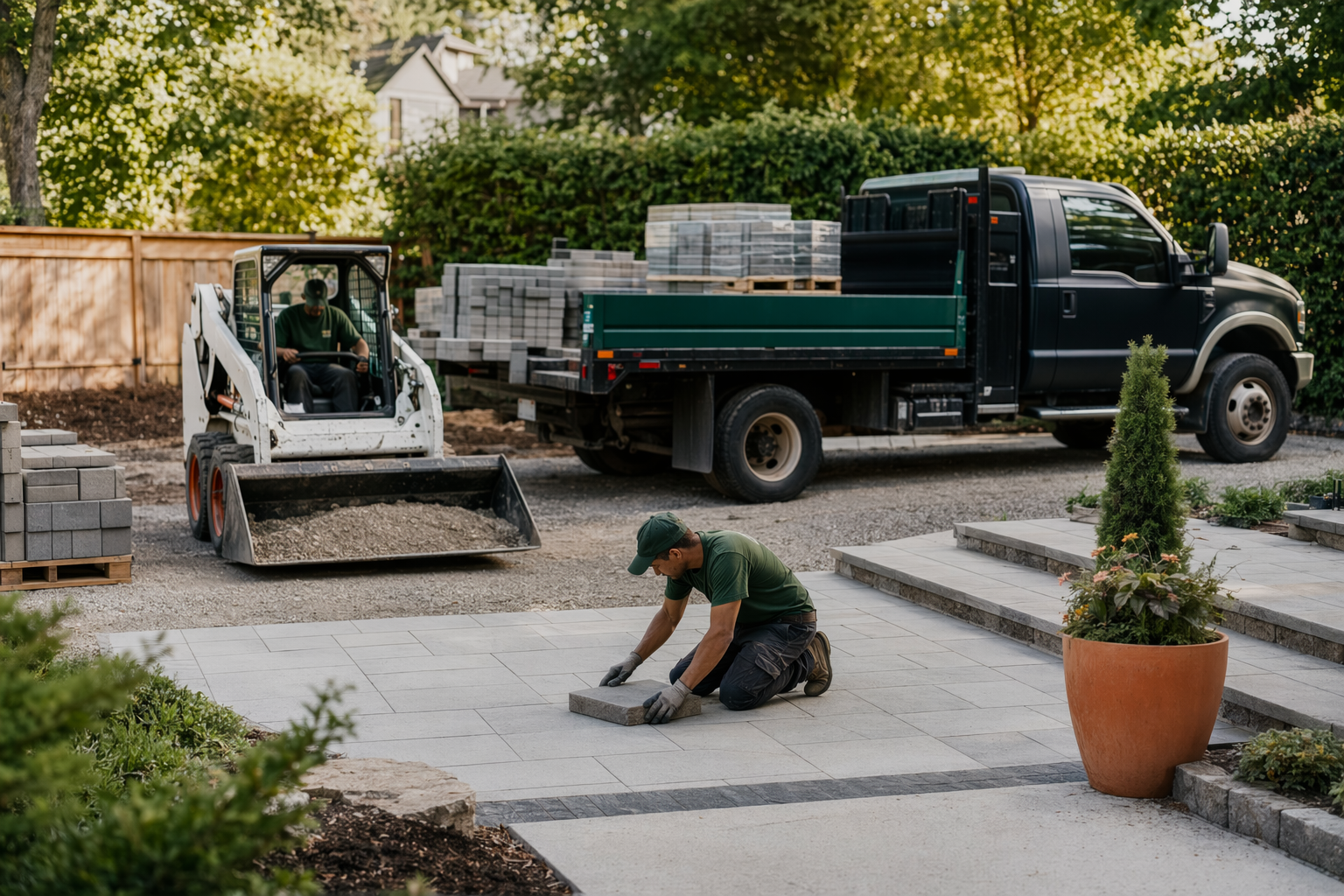
A good outdoor kitchen is part design, part utility planning, and part solid base work, so it pays to compare a few licensed local builders before you choose.
Common questions
How much does it cost to build an outdoor kitchen?
A small basic built-in setup may start around $8,000 to $15,000, while many full outdoor kitchens land around $15,000 to $35,000. Larger custom projects with utility work, premium appliances, and patio integration can reach $35,000 to $75,000 or more, depending on size, materials, site conditions, and area.
Do I need permits for an outdoor kitchen?
Often yes, especially if the project includes gas, electrical, plumbing, or a covered structure. Permit rules vary by area, so your licensed builder and local building department can tell you what is required where you live.
Can an outdoor kitchen go on an existing patio?
Sometimes, but not every existing patio is a good base. A builder usually needs to check the condition, level, drainage, and load considerations before deciding whether the surface is suitable.
What is the best material for an outdoor kitchen?
There is no one best material for every yard. The right choice depends on your climate, budget, maintenance preferences, and the look you want, so ask a local builder to explain the trade-offs of the finish and countertop options they recommend.
How do I choose a good outdoor kitchen builder?
Look for a licensed, insured builder with outdoor-living experience, clear written scopes, and references or photos of similar work. Compare a few quotes, verify insurance and licensing, and be cautious about cash-only demands, vague pricing, or pressure to sign quickly.
What information does Slate & Sod need from me?
Only basic contact and project intent: your name, phone, optional email, project type, ZIP code, rough budget, and preferred language. The service is free for homeowners.