Projects
Pergolas, pavilions and shade structures
A pergola, pavilion, or covered shade structure can make a backyard feel cooler, more comfortable, and more finished. The right choice depends on how much shade you want, your budget, and how you plan to use the space.
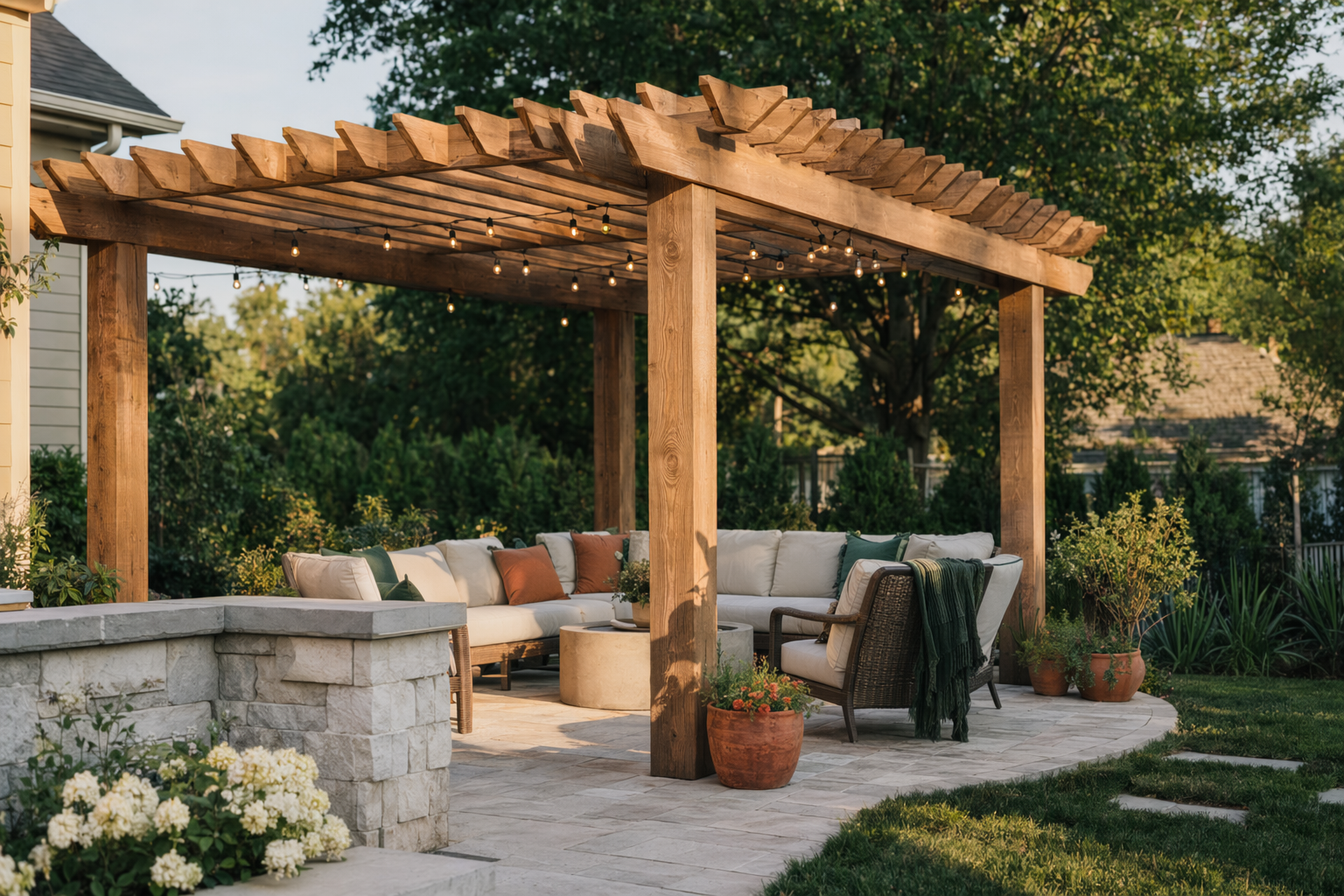
What these structures are — and how they feel in real life
Shade structures do more than block sun. They help turn an open yard into an outdoor room where people actually want to sit, eat, and stay longer. If your patio feels too hot in the afternoon or too exposed, adding overhead shade can change the whole space.
A pergola usually has posts with an open slatted top. It gives partial shade, a lighter look, and room for climbing plants, string lights, or a retractable canopy. A pavilion or roofed structure has a solid roof, so it gives more complete shade and better protection from light rain. Some homeowners also choose a covered patio extension, cabana, or custom roof structure depending on the house and yard.
People often love pergolas when they want an airy, decorative feature that defines a seating area without making the yard feel closed in. Pavilions and other roofed structures are popular for outdoor kitchens, dining spaces, TVs, or places where full shade matters most.
Pergola vs pavilion: choosing the right kind of shade
Start with how you want the space to work. If you mainly want a more inviting sitting area and like a lighter, open look, a pergola may be enough. If you want stronger sun protection, rain cover, or a place for a fan, lighting, or a full outdoor kitchen setup, a pavilion or covered structure may make more sense.
Attached vs freestanding is another big decision. An attached structure can feel more connected to the house and may create an easier path from the back door to the patio. A freestanding structure can work well farther into the yard, near a pool, over a fire feature, or as a focal point in a larger backyard.
Think about sun direction too. Late-afternoon sun can be harsh, especially on west-facing patios. A structure that looks good on paper may still leave you uncomfortable at the hottest time of day if the orientation is wrong. A good local builder can help you think through placement, height, and shade patterns for your yard.
If the structure is part of a larger patio project, it helps to plan the surface, seating, and traffic flow together. Our patio planning guide can help you think through layout before you start talking to builders.
Material and design choices that affect cost and upkeep
Wood, aluminum, vinyl, and steel each have trade-offs. Wood can feel warm and custom, but it usually needs more upkeep over time. Aluminum and some metal systems can be lower maintenance and clean-looking. Vinyl can be simple to maintain, but style options and strength can vary by product. In some projects, a builder may combine materials for looks, weather resistance, or budget.
Roof style matters too. An open pergola top is usually less expensive than a solid-roof pavilion. Add-ons like tongue-and-groove ceilings, built-in lighting, fans, heaters, retractable shades, privacy screens, stains or paint, decorative post wraps, and larger footings can raise the price quickly.
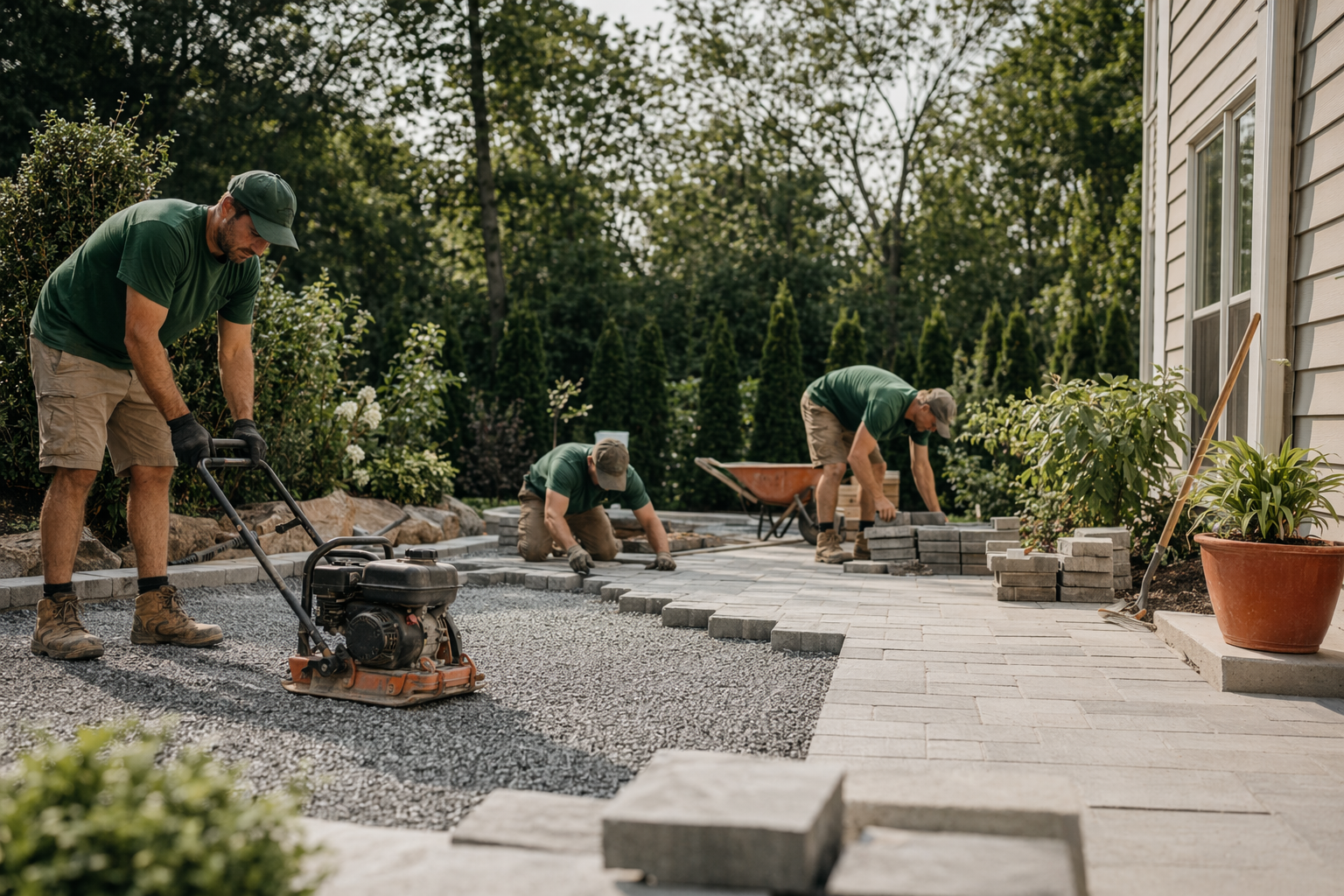
The space below the structure also affects the total project cost. A pergola over an existing patio may be one kind of job. A new shade structure plus a new paver patio, outdoor kitchen, fire pit, drainage work, or electrical setup becomes a much bigger project.
This is general information only. Exact materials, connection details, footings, spans, roof loads, drainage, and code requirements should be handled by licensed, insured professionals and, where required, a licensed engineer and your local building department.
What pergolas and shade structures usually cost
Costs vary a lot by size, materials, roof type, site conditions, and where you live in the US. These ranges are general only — not quotes. A simple smaller pergola may start around $4,000 to $8,000 in some areas, while many custom pergola projects land more in the $8,000 to $20,000+ range.
A pavilion or solid-roof shade structure often costs more because it usually involves heavier framing, roofing materials, and more permit and labor complexity. Many projects may fall around $12,000 to $35,000+, and larger custom builds with electrical, finished ceilings, fans, or premium details can go well beyond that.
What drives the number up or down? Size is a big one. So are materials, whether the structure is attached to the home or freestanding, whether the ground is level, how easy the yard is to access, and whether there is existing patio work underneath. Electrical work for lights, outlets, heaters, or fans should be done by a licensed professional with permits where required. If gas is involved for heaters or nearby appliances, that also requires a licensed pro and permits.
For more budget context across outdoor projects, you can also browse our cost guides. The real price for your project depends on the project size, the materials, site conditions like slope, drainage, soil, and access, plus your local area.
Common mistakes to avoid before you build
A shade structure can look beautiful and still miss the mark if the planning is rushed. One common mistake is choosing style first and use second. A pergola that looks great in photos may not give enough shade for your family, while a larger roofed structure may feel too heavy for a small yard if it is not proportioned carefully.
Another issue is forgetting the full project scope. Homeowners sometimes budget for the overhead structure but not the patio below, drainage, lighting, privacy screening, or furniture layout. It helps to decide early whether the structure is the whole job or one part of a bigger backyard plan.
Watch for contractor red flags too:
- large cash-only deposits
- no license or no insurance
- vague quotes with unclear materials or scope
- no written contract
- pressure to decide on the spot
Get the scope and price in writing, compare a few quotes, and make sure permits are handled properly. HOA rules, setbacks, and local code requirements vary by area, so always check what is allowed before work starts.
How Slate & Sod helps you get matched with local builders
Slate & Sod is a free matching service for homeowners. We are not a contractor, builder, or design firm, and we do not perform construction work. We help you get connected with licensed, insured local outdoor-living and hardscape builders for projects like pergolas, pavilions, patios, outdoor kitchens, and full backyard builds.
You stay in control. You set the budget, compare written quotes, choose who to hire, and confirm the final scope and price before work begins. We do not ask for financial account numbers, Social Security numbers, income details, or sensitive records — only basic contact and project intent such as your name, phone, optional email, project type, ZIP code, rough budget, and preferred language.
If you are still comparing project ideas, you can explore more outdoor-living projects. If you are ready to start conversations with local pros, you can get matched for free.
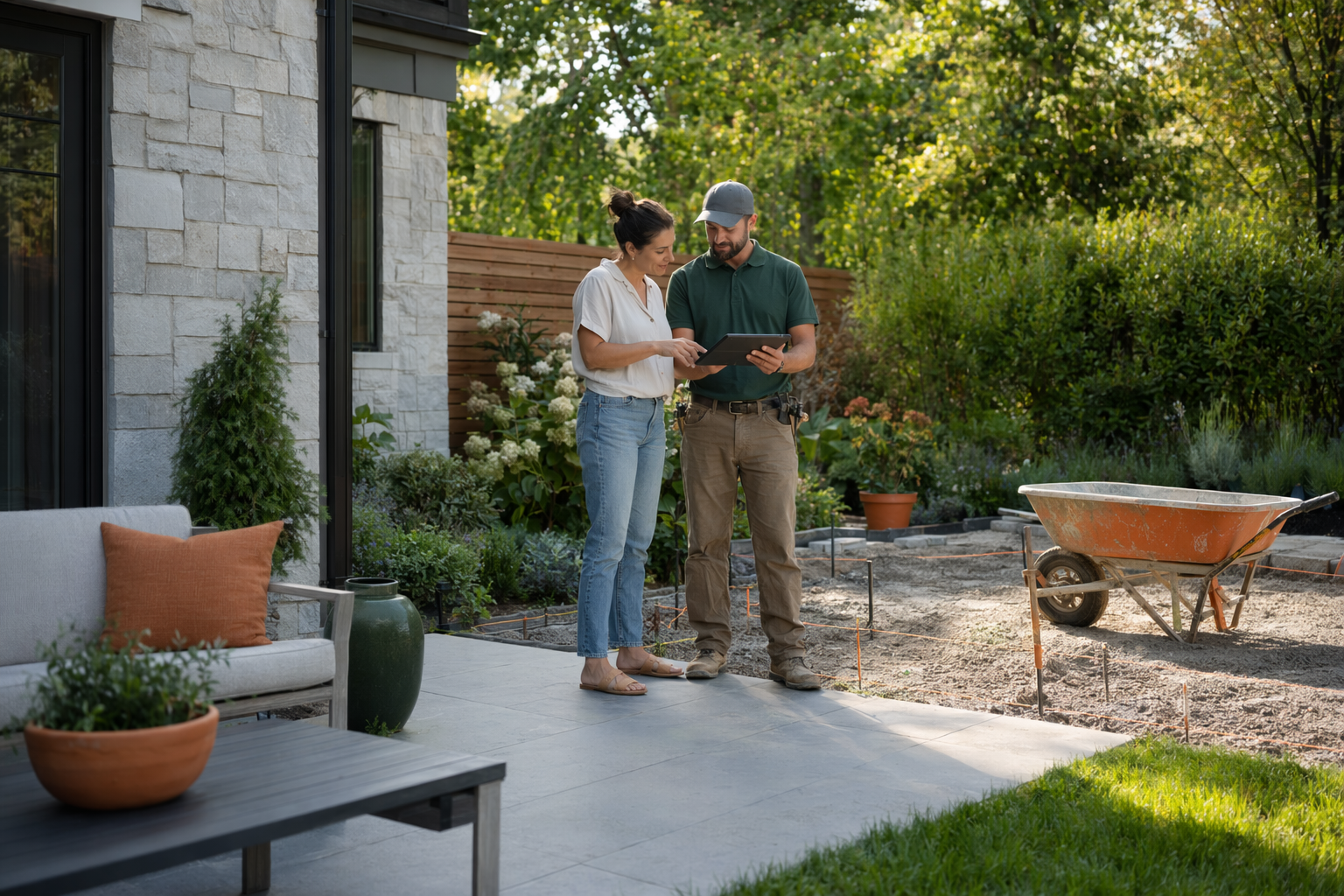
If you want a more comfortable backyard, a pergola or pavilion can help — just plan the shade, materials, and budget carefully, then compare written quotes from licensed local builders.
Common questions
Is a pergola cheaper than a pavilion?
Usually, yes. A pergola often costs less because it has an open top and can be structurally simpler, but custom size, materials, and add-ons can still make it expensive.
Do I need a permit for a pergola or pavilion?
Often yes, especially for larger or attached structures, roofed structures, or anything with electrical work. Permit rules vary by city, county, and HOA, so check locally and confirm your builder will handle permit requirements.
Can a shade structure go over an existing patio?
Sometimes, yes, but it depends on the patio, footings, access, drainage, and structural needs. A licensed builder should evaluate the site to see whether the existing surface works or needs changes.
What material is best for low maintenance?
Many homeowners look at aluminum, steel, or certain vinyl products for lower upkeep, while wood usually needs more maintenance over time. The best fit depends on your climate, style, and budget.
How many quotes should I get?
It is smart to compare a few written quotes so you can see differences in scope, materials, timeline, and price. Make sure each quote is clear about what is included before you decide.
Can Slate & Sod build my pergola?
No. Slate & Sod is a free matching service, not a contractor or builder. We help connect homeowners with licensed, insured local builders, and you choose who to hire.