Guides
Permits, codes and HOA rules for hardscape
Yes—many hardscape projects need permits, and almost all are affected by local building codes, setback rules, utility rules, and sometimes HOA approval. The exact rules depend on your city, county, and neighborhood, so it’s smart to check before you build.
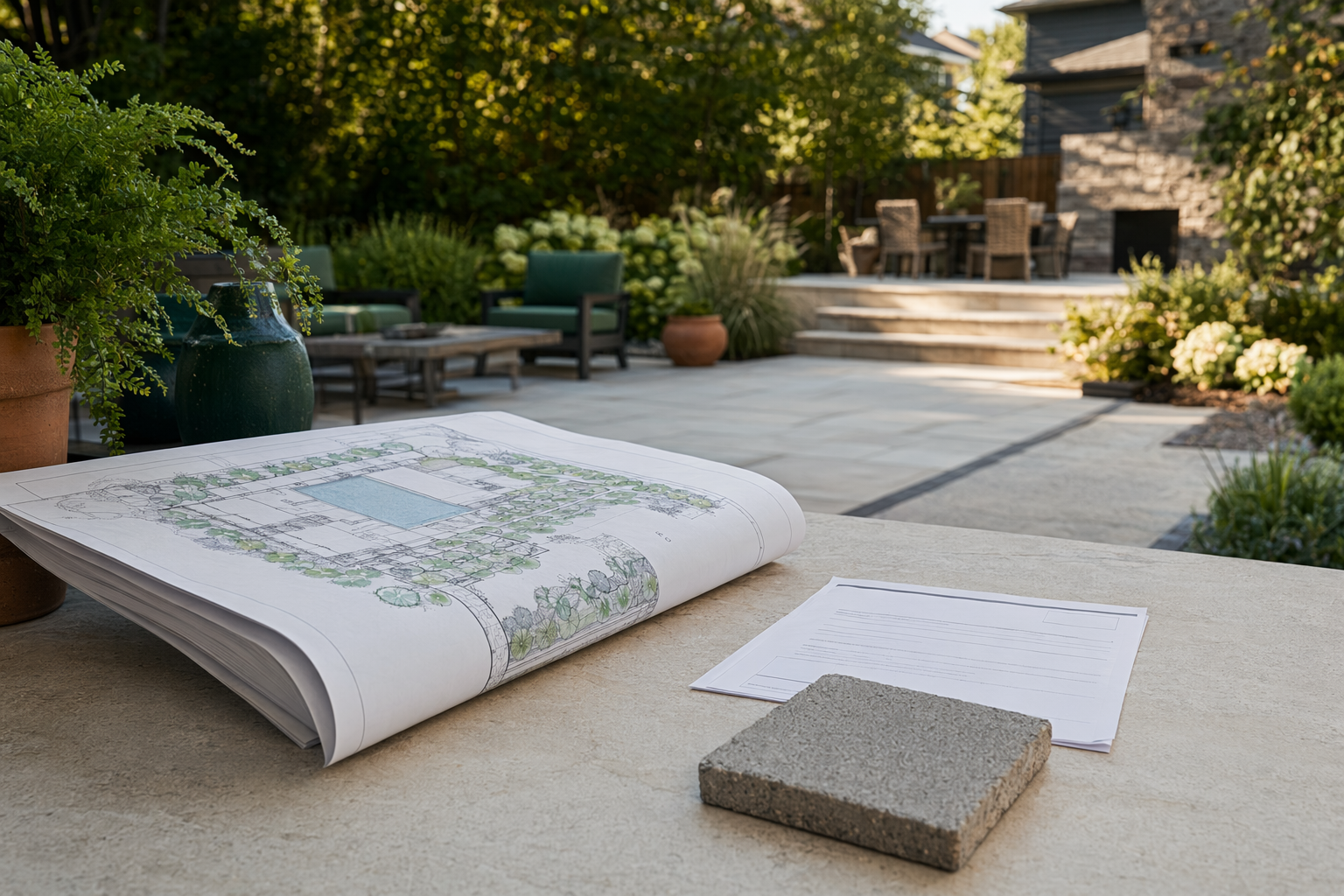
The short answer: check before you dig, pour, or build
A simple patio or walkway may need little more than a local check, while a retaining wall, fire feature, outdoor kitchen, deck-like structure, or work near property lines often needs permits or approval. In some areas, even drainage changes, gas lines, electrical, or pool-adjacent work can trigger more review.
The safest habit is to confirm the rules before you sign a contract. A good licensed, insured builder should know the local permit process and tell you what is likely needed. Slate & Sod is a free matching service, not a contractor or design firm, so we help connect you with local builders who can review your project and the rules in your area.
If you are just starting to plan, our project guide hub and project ideas can help you picture the space first, then talk budget and materials before you worry about final details.

What usually needs a permit or approval
Rules vary, but these projects are more likely to need permits or extra approvals:
- Retaining walls, especially if they are tall, hold back soil, or affect drainage.
- Outdoor kitchens, because gas, electric, plumbing, and venting often involve licensed trades and permits.
- Fire pits and fireplaces, especially gas units, masonry fireplaces, or anything with clearances and fuel lines.
- Pergolas, covers, and structures that act more like a building or add significant height.
- Pool decks, patios near a pool, and any work near a pool barrier.
- Drainage changes, grading, or work near easements, sidewalks, or utility lines.
A basic paver patio in the middle of a yard may be simpler, but even then the property line, drainage, and local code can matter. In some neighborhoods, HOA approval is separate from city permits, and you may need both.
HOA rules: separate from city permits
If you live in an HOA neighborhood, check the HOA rules before work starts. The HOA may care about where the patio goes, the height of a wall, colors, visible equipment, fence lines, screening, or noise during construction.
An HOA approval is not the same as a permit. A project can pass HOA review and still fail city code review, or the other way around. That is why it helps to ask for the rules in writing and keep copies of the approval, drawings, and any conditions.
If you are unsure what your neighborhood allows, ask the HOA office or management company directly. Your builder should be able to help with the plan, but they should not promise approval if they cannot control it.
What a builder should handle—and what you should still verify
A licensed, insured builder often helps with permit paperwork, basic plan details, and scheduling inspections when required. For gas, electrical, plumbing, and some drainage or structural situations, the builder may need licensed subcontractors or a licensed engineer depending on the project and local rules.
Still, you should verify a few things yourself:
- Ask for the builder’s license and insurance information.
- Confirm who is pulling permits.
- Ask whether a licensed plumber, electrician, gas fitter, or engineer is required.
- Make sure the scope, materials, and permit responsibility are written into the contract.
- Check whether the work affects property lines, easements, setbacks, or HOA approval.
This is one place where getting it in writing matters. A vague verbal promise can turn into surprise costs later.
How permits and rules affect cost and timing
Permits, drawings, HOA reviews, and inspections can add cost and time. The amount depends on your area, the complexity of the project, and whether the design needs engineering or specialty trades. In general, a simple project may have small permit-related costs, while a larger project with gas, electric, drainage changes, or a retaining wall can add more.
As a rough planning idea, a homeowner might see permit and review-related costs anywhere from a modest local fee to several hundred or more, and sometimes more when plans, engineering, or multiple trades are involved. That is not a quote. Real numbers depend on the project size, materials, access, site slope, soil, drainage, and your local rules.
If you want to compare budget levels, our cost guides can help you think through what drives price up or down before you request written quotes.
Red flags to watch for when a contractor talks about permits
Be cautious if a builder says permits are never needed, tells you to skip approval because “no one checks,” or asks for a large cash-only deposit before giving a written scope. Those are warning signs.
Other red flags:
- No license or insurance.
- A quote that is vague about materials, size, and permit responsibility.
- Pressure to start today without reviewing the plan.
- No written contract.
- Promises to handle everything but no proof they actually can.
A better approach is simple: compare a few licensed, insured builders, ask what rules apply to your project, and choose the one whose written scope and price make sense to you. If you need help finding local builders, you can get matched for free and stay in control of the final decision.

Check city rules, HOA rules, and permit needs early, because the right builder can help—but you should always get the scope and price in writing before work begins.
Common questions
Does a small patio need a permit?
Sometimes, but not always. It depends on your city, drainage rules, property lines, and whether the patio is part of a larger project. A local licensed builder or building department can tell you what applies in your area.
Do I need HOA approval if I already have a permit?
Usually yes, if your neighborhood has an HOA. City permits and HOA approval are separate, and you may need both before starting work.
Who is responsible for pulling the permit?
Often the contractor handles it, but you should confirm that in writing. Ask who pulls the permit, who pays the fee, and what inspections are included.
Is Slate & Sod the contractor for my project?
No. Slate & Sod is a free matching service that connects homeowners with licensed, insured local outdoor-living and hardscape builders. You choose who to hire and confirm the scope and price before work starts.