Guides
Getting outdoor-living quotes and contracts in writing
Before any patio, fire pit, outdoor kitchen, or retaining wall work starts, get the scope, materials, schedule, and price in writing. A clear written quote and contract help you compare builders, avoid surprises, and stay in control.
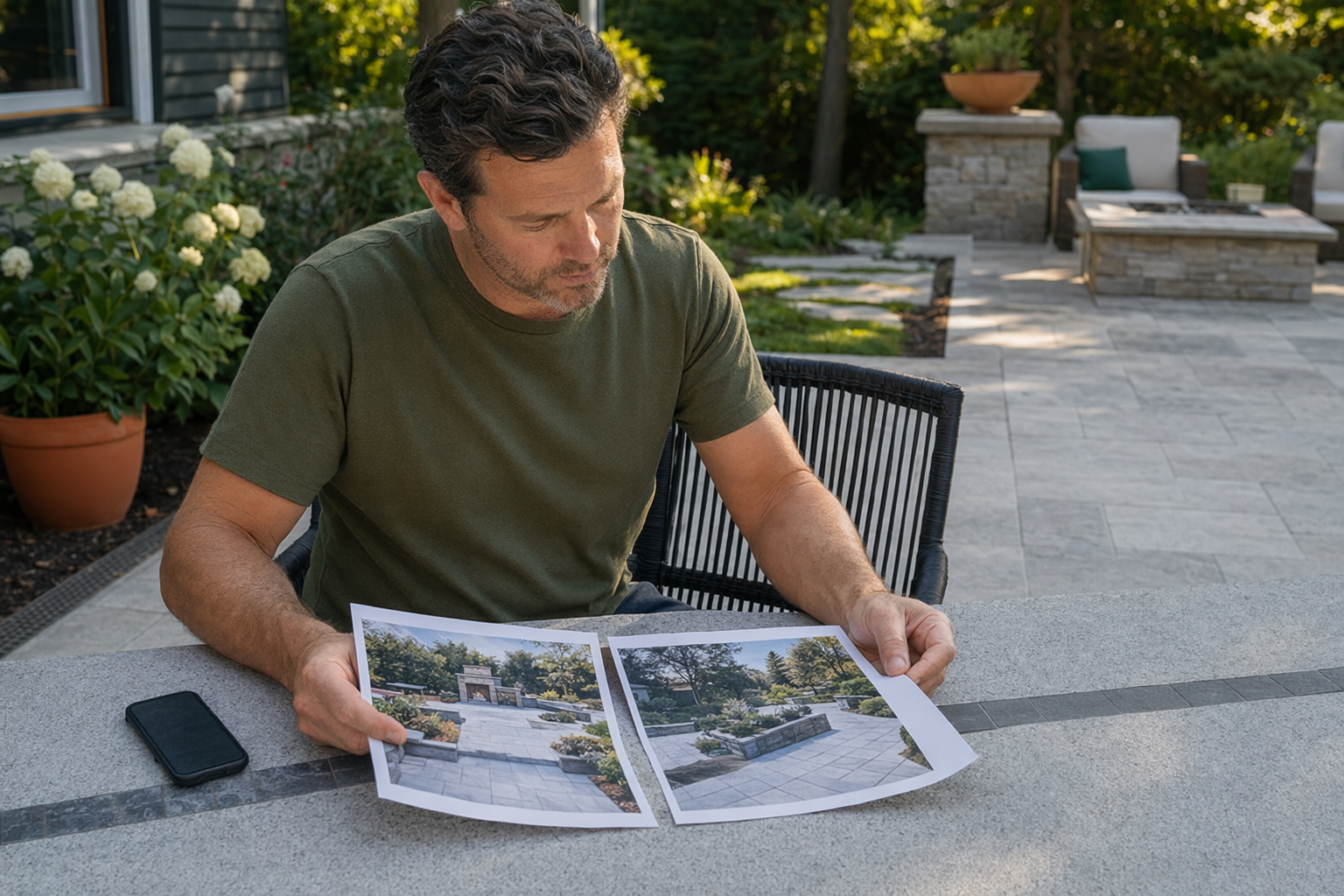
Why writing matters before work starts
The short answer: verbal promises are easy to misunderstand. A written quote and contract give you one place to check what is included, what is not included, how much it costs, and when work is expected to happen.
This matters on outdoor-living projects because small details change the price fast. The exact paver or stone, demolition, grading, drainage work, access to the yard, cleanup, lighting, gas lines, and permit needs can all affect cost and timing.
A written agreement also makes it easier to compare a few builders fairly. If one quote includes demolition, base prep, and sealing, but another does not, the lower number may not really be the better deal.
Slate & Sod is a free matching service, not a contractor or design firm, and we do not perform construction work. We help homeowners connect with licensed, insured local builders so you can compare written quotes and decide what works for your home.

What a good outdoor-living quote should include
A fair written quote should describe the work clearly enough that you can picture what will be built. You should be able to tell the size, main materials, key features, and basic site work from the quote itself.
For example, if you are planning a patio, walkway, pergola, fire pit, pool deck, or full backyard update, the quote should say what area is being built, what materials are being used, and what preparation is included. If something is still undecided, it should say that too.
Useful details often include:
- project size or approximate square footage
- material type, brand, color, or allowance if not yet selected
- demolition or removal of old concrete, grass, or structures
- excavation, base preparation, grading, and cleanup
- drainage items if included
- edge restraints, polymeric sand, joint materials, or finish details
- whether permits are included or are the homeowner's responsibility
- estimated start window and estimated duration
- total price or a clear breakdown by phase
If the quote says things like "patio install" or "backyard work" without details, ask for a clearer scope in writing before you move forward.
What a fair contract usually covers
Once you choose a builder, the contract should match the quote and go a step further. It should say who is doing the work, what is being built, what materials are expected, how payments work, how change orders are handled, and what happens if there is a delay.
You do not need fancy legal language to protect yourself. Plain, specific wording is often better. The goal is not to make the document complicated. The goal is to make it clear.
A solid contract often includes:
- builder business name, license information where applicable, and proof of insurance
- your project address and contact information
- detailed scope of work
- materials, product allowances, and finish selections
- payment schedule tied to milestones, not vague promises
- start date estimate or start window
- how weather delays, hidden site problems, or permit delays are handled
- cleanup, debris removal, and final walkthrough expectations
- warranty information, if offered, in writing
- a change-order process for any added or removed work
For gas and electrical work, use licensed pros and expect permits where required. Local codes, HOA rules, and permit requirements vary by area, so confirm them with the builder and your local building department.
Red flags to watch for in quotes and contracts
Some problems show up before construction even begins. If you see these signs, slow down and ask questions.
Big red flags include a large cash-only deposit, no license or no insurance, vague pricing, no written contract, or pressure to sign right away. Another warning sign is a builder who will not clearly explain what is included, or who refuses to put promises in writing.
Watch out for quotes that leave out important parts of the job to make the number look low. Base preparation, drainage, demolition, disposal, steps, edging, lighting, sealing, and permit handling are common areas where costs may be missing.
A few smart habits help a lot:
- compare a few written quotes, not just one
- verify license and insurance before signing
- ask what is excluded as well as what is included
- get material choices and allowances in writing
- keep copies of the quote, contract, receipts, and change orders
- never rely only on text messages or verbal promises for important details
What outdoor-living projects may cost — and why the paperwork matters
Written pricing matters because outdoor projects can vary widely. In many US markets, a basic paver or concrete patio may start around a few thousand dollars, while a larger patio, outdoor kitchen, retaining wall, pergola, fireplace, or full backyard project can move into the tens of thousands or more. Those are general ranges, not quotes.
The real number depends on project size, material choices, site conditions, access, slope, drainage, soil, demolition needs, utility work, and your local labor market. A backyard with steep grade changes or poor access usually costs more than a flat, open yard.
That is why you want line items or a clear scope in writing. If one builder includes excavation, compacted base, drainage fixes, permits, and cleanup, and another quote does not, you are not comparing the same job.
If you are still early in planning, costs and projects can help you get a realistic starting point before you speak with builders.
How to protect yourself and compare quotes with confidence
If you are collecting bids now, keep the process simple and organized. Give each builder the same basic project description, budget range, and wish list so the quotes are easier to compare.
Then use a short checklist:
1. Ask for the scope, materials, and exclusions in writing.
2. Confirm license and insurance.
3. Ask whether permits are needed and who handles them.
4. Check how changes will be priced if the plan changes.
5. Review the payment schedule before signing.
6. Make sure the final contract matches the quote.
You stay in control of the project. You set the budget, compare written quotes, choose who to hire, and confirm the scope and price before work starts.
If you want help finding local companies to quote your project, get matched through Slate & Sod. The service is free for homeowners, and we only collect basic contact and project details like your name, phone, optional email, project type, ZIP code, rough budget, and preferred language. You can also explore more planning help in our guides.
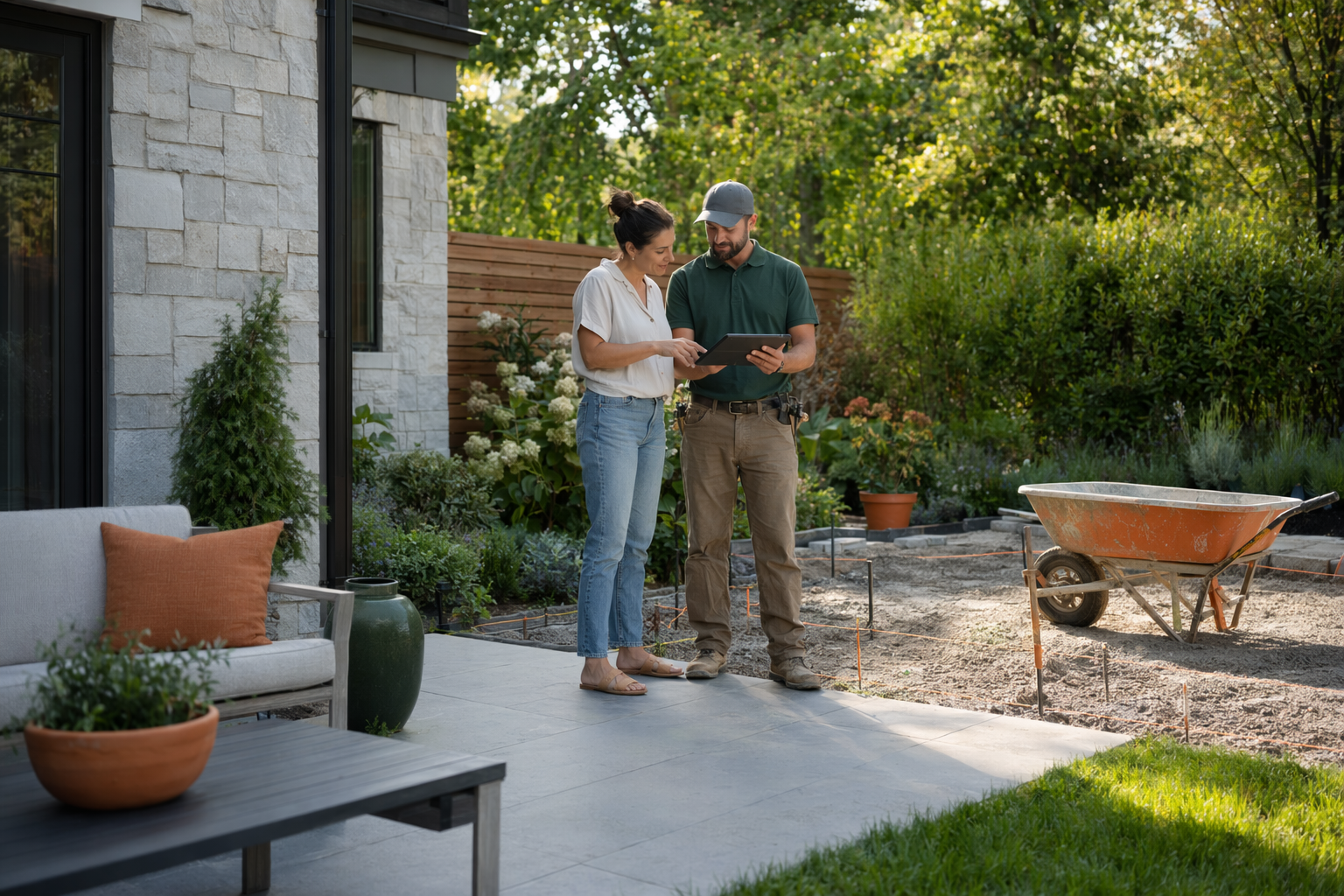
Get the work, materials, schedule, and price in writing before your outdoor project starts, then compare a few clear quotes and hire a licensed, insured builder you understand and trust.
Common questions
Why do I need a written contract for a patio or backyard project?
Because it helps prevent misunderstandings. A written contract spells out the scope, materials, schedule, payment terms, and change process so you know what you are agreeing to before work starts.
What should be in a hardscape quote?
At minimum, look for the project size, materials, preparation work, cleanup, total price or pricing breakdown, and estimated timing. It should also say what is excluded, especially for drainage, demolition, permits, gas, or electrical work.
Is the cheapest quote usually the best deal?
Not always. A lower quote may leave out important work like excavation, base prep, drainage, or disposal, so compare written scopes carefully before deciding.
How many quotes should I get?
Many homeowners feel more comfortable comparing a few written quotes. That gives you a better sense of price range, scope differences, and whether one builder is being unusually vague or unusually expensive.
Should I pay a large deposit in cash?
Be careful with large cash-only deposit requests. Ask for a written payment schedule, keep receipts, and make sure the contract explains when payments are due and what each payment covers.
Can Slate & Sod review my contract or build the project?
No. Slate & Sod is a free matching service, not a contractor, builder, design firm, or law office. We do not perform construction work or provide legal advice, but we can help you connect with licensed, insured local builders to request written quotes.