Services
Full backyard design-build
A full backyard design-build project plans the whole outdoor space as one connected job — patio, planting, lighting, drainage, and features together. It can create a more usable yard, but the budget, materials, and site conditions matter a lot.
What full backyard design-build means
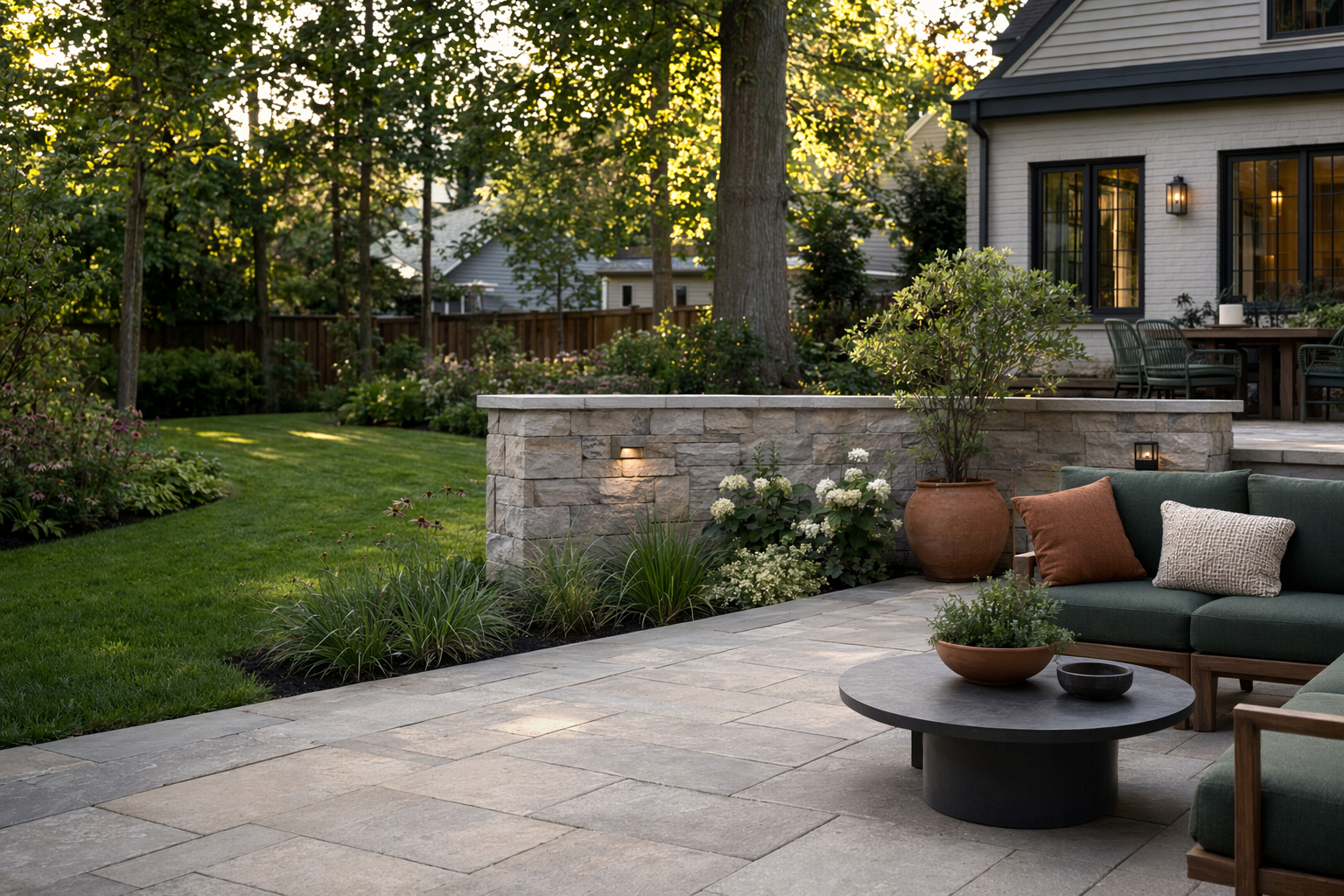
Full backyard design-build means one company or team handles both the planning and the construction of an outdoor living space. Instead of treating the patio, walkway, planting beds, lighting, drainage, and other features as separate jobs, the work is planned together so the yard feels connected.
Homeowners often choose this approach when they want a complete backyard makeover, not just one feature. That might include a paver patio, outdoor kitchen, fire pit, retaining wall, pergola, steps, planting, low-voltage lighting, turf or lawn areas, and better drainage.
A good design-build plan usually starts with how you want to use the yard. Maybe you want a place to eat outside, room for kids to play, less mud near the house, easier upkeep, or a more welcoming space for family gatherings. The design should fit those goals, your budget, and what your lot can realistically support.
Slate & Sod is a free matching service for homeowners. We do not design projects or perform construction work. We help you understand the project and get connected with licensed, insured local builders so you can compare options and decide what fits your home.
What is usually included in the planning and build
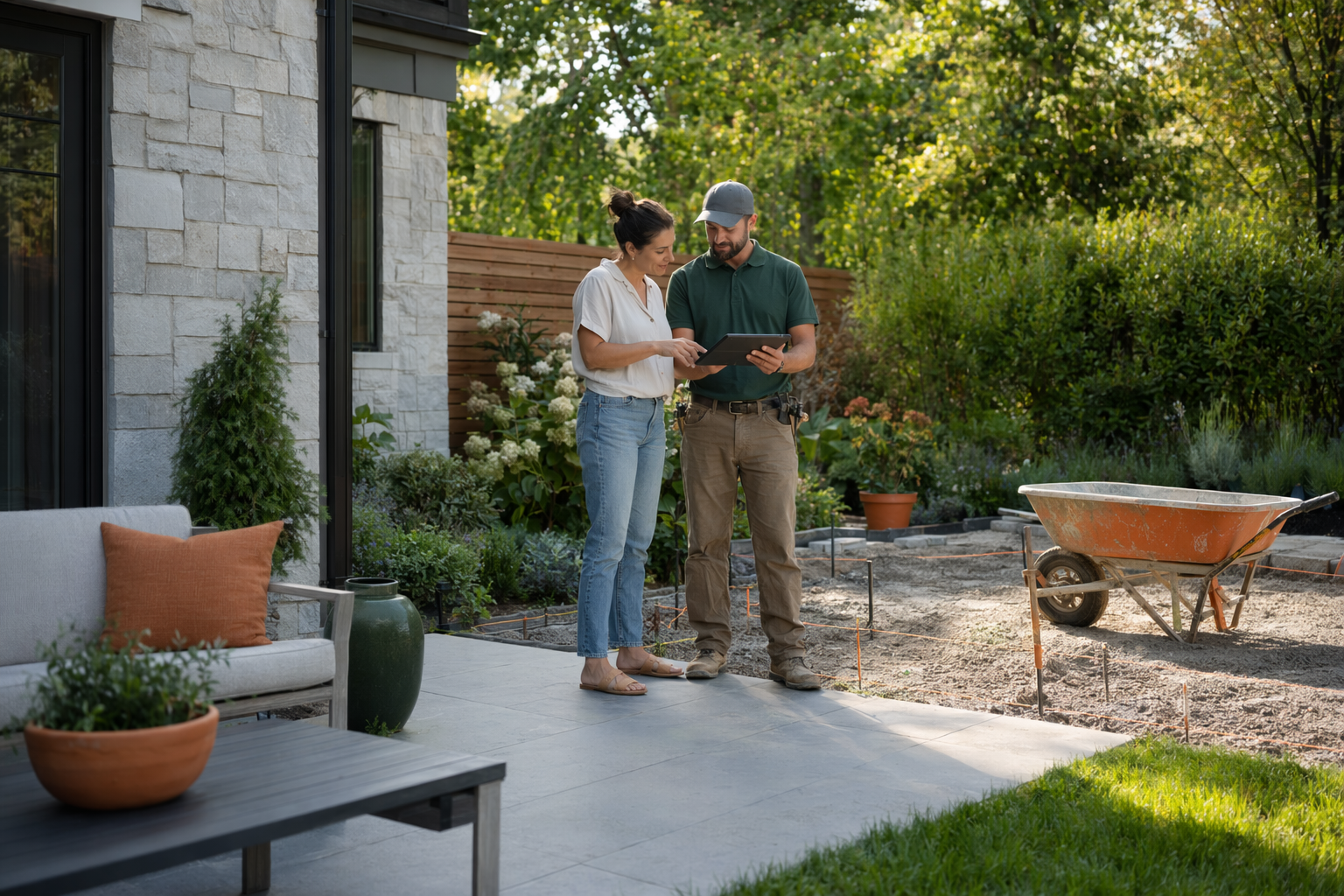
A full backyard project usually begins with layout and site planning. The builder will look at the yard size, slope, access, sun, drainage, existing structures, and where people will walk, sit, cook, or gather. This is where the big decisions happen: how much hardscape versus planting, where water should drain, and how the space should connect to the house.
The construction side often includes excavation, grading, base preparation, drainage work, and installation of the visible finishes. For hardscape areas like patios, walkways, and pool decks, base prep matters a lot. A beautiful surface can fail early if the ground under it is not prepared correctly for the soil, moisture, and use.
Materials may include concrete pavers, natural stone, brick, gravel, wall block, porcelain pavers, mulch, sod, plants, lighting fixtures, and wood or metal structures like pergolas. Finishes can include edging, steps, seat walls, planter borders, lighting zones, and irrigation updates for planted areas.
If the project includes gas, electrical, or plumbing work — for example an outdoor kitchen, fire feature, or landscape lighting tied into the home — licensed pros and permits are typically required. For tall retaining walls, major grading, or drainage issues, a licensed engineer may also be required depending on your area.
How builders plan the job: base prep, drainage, and materials
The best backyard projects usually look simple when finished, but a lot of the value is below the surface. Base prep helps patios and walkways stay level. Grading and drainage help move water away from the house and keep it from pooling in low spots. These parts are easy to miss when you are comparing quotes, but they matter just as much as the final color and style.
Drainage planning is especially important in full-yard work because one change affects another. A new patio can change how water moves. A retaining wall can hold back soil but may also need proper drainage behind it. Planting beds, downspouts, lawn areas, and paved surfaces should be planned together so the yard works in rain, not just on a sunny day.
Material choice affects both appearance and upkeep. Concrete pavers are popular because they come in many styles and are often easier to repair in sections. Natural stone can look beautiful and more custom, but it often costs more. Gravel can lower cost in some areas, while porcelain or premium stone can raise it. Planting style matters too: a simple, low-maintenance layout costs differently than a lush garden with irrigation, lighting, and many specimen plants.
This is general information only, not construction or engineering advice. Your local builder, engineer where needed, and local building department can tell you what is appropriate for your lot, soil, drainage, permits, and code requirements.
Typical cost ranges and what changes the price
A full backyard design-build project can range widely because it combines many pieces into one plan. In many US markets, a modest backyard refresh may start around $15,000 to $35,000. A more complete outdoor living project with a patio, planting, lighting, drainage improvements, and one or two features often falls around $35,000 to $100,000+. Larger or more custom backyards with outdoor kitchens, retaining walls, pergolas, premium materials, or extensive grading can go well beyond that.
These ranges are general only, not quotes. The real number depends on the project size, materials, site conditions, access, drainage, slope, soil, labor costs in your area, and how much demolition or utility work is needed. Even two yards of the same size can price very differently if one has poor access, a steep slope, or major water issues.
Costs tend to go up with natural stone, custom masonry, outdoor kitchens, gas lines, electrical work, built-in seating, large retaining walls, drainage correction, premium lighting, mature plant material, and difficult site access. Costs may stay more manageable with a simpler layout, fewer material changes, standard pavers, smaller planting plans, and a phased approach.
If you are early in planning, it helps to set a realistic budget before falling in love with features that may not fit. You can also browse our costs and projects pages to get a better feel for common outdoor-living options.
What to watch for before you hire
Full backyard work can be exciting, but it is also a big purchase. Get the scope and price in writing and compare a few quotes. A clear written quote should explain what is included, what materials are being used, what prep work is planned, and what is not included.
Watch for red flags: large cash-only deposits, no proof of license or insurance, vague pricing, no written contract, or pressure to sign right away. If a builder cannot clearly explain the work, the materials, the payment schedule, and who handles permits when needed, slow down and ask more questions.
It is smart to ask about base preparation, drainage plan, cleanup, warranty terms, estimated schedule, and how changes are handled if hidden issues show up. You can also ask who will be on site, whether subcontractors are used, and whether gas or electrical work will be done by licensed pros.
The homeowner stays in control. You set the budget, review written quotes, choose who to hire, and confirm the scope and price before work starts.
How to find a qualified local builder
Start with a short description of what you want: project type, ZIP code, rough budget, and any must-have features like a patio, outdoor kitchen, fire pit, retaining wall, or planting plan. If English is not your strongest language, it can also help to note your preferred language early so communication is easier.
Then talk with licensed, insured local builders who do this kind of work. Ask to see examples of full-yard projects, not just one patio or one wall. A builder who regularly handles design-build work is often better at coordinating layout, drainage, hardscape, and planting as one system.
Slate & Sod is free for homeowners. We are not a contractor or design firm, and we do not perform the work. We collect basic contact and project-intent details only — name, phone, optional email, project type, ZIP, rough budget, and preferred language — so we can help connect you with local builders for the type of project you want.
If you are ready to explore options, you can start at services or get matched.
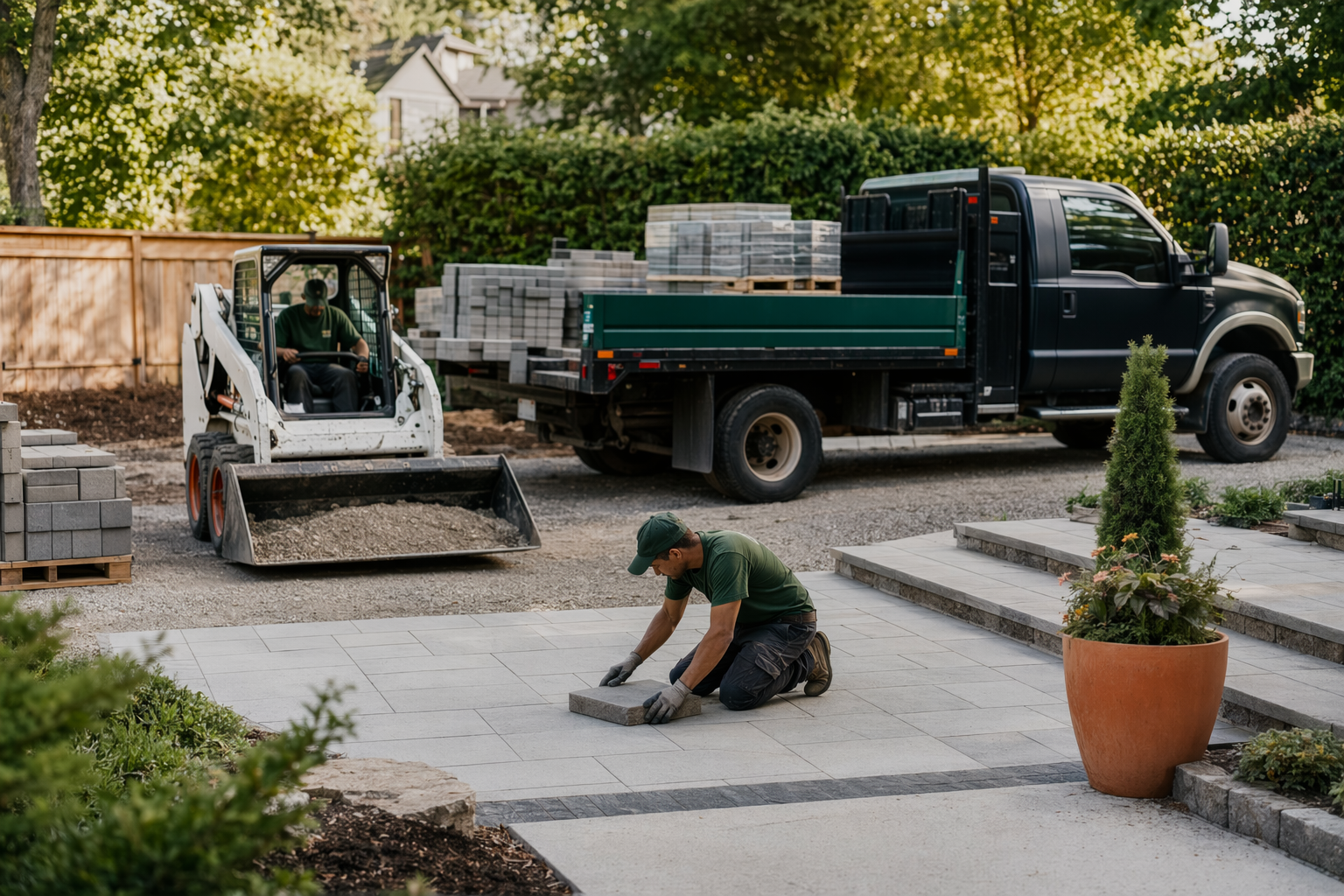
A full backyard design-build project works best when the layout, drainage, materials, and budget are planned together before construction starts.
Common questions
What is the difference between design-build and hiring separate companies?
With design-build, one company or team handles both planning and construction. Hiring separate companies can work too, but it may require more coordination from the homeowner.
How much does a full backyard makeover cost?
In many areas, a modest project may start around $15,000 to $35,000, while more complete backyard projects often range from $35,000 to $100,000+ or more. Those are general ranges, not quotes, and the real price depends on size, materials, slope, drainage, access, and your local market.
Do I need permits for a backyard design-build project?
Sometimes, yes. Permit needs vary by area and by the type of work, especially for gas, electrical, plumbing, structures, retaining walls, grading, and drainage changes. Your licensed builder and local building department can tell you what is required.
Can I do the project in phases?
Yes, many homeowners do. A builder can sometimes create a master plan so you handle the most important items first, then add features later as budget allows.
How do I know if a builder is qualified?
Ask for proof of license and insurance, get a written quote, and compare a few bids. It also helps to ask about similar full-yard projects, drainage planning, material options, and who will handle permitted work.
Is Slate & Sod the company that builds the backyard?
No. Slate & Sod is a free matching service for homeowners, not a contractor, builder, or design firm. We help connect you with local licensed, insured builders so you can compare options.