Quick answers
How do I keep weeds out of paver joints?
The best way to keep weeds out of paver joints is to start with a tight, well-built paver system and keep the joints full and maintained. If weeds still show up, the fix is usually simple: remove them early, refresh the joint filler, and stay ahead of dirt and seeds.
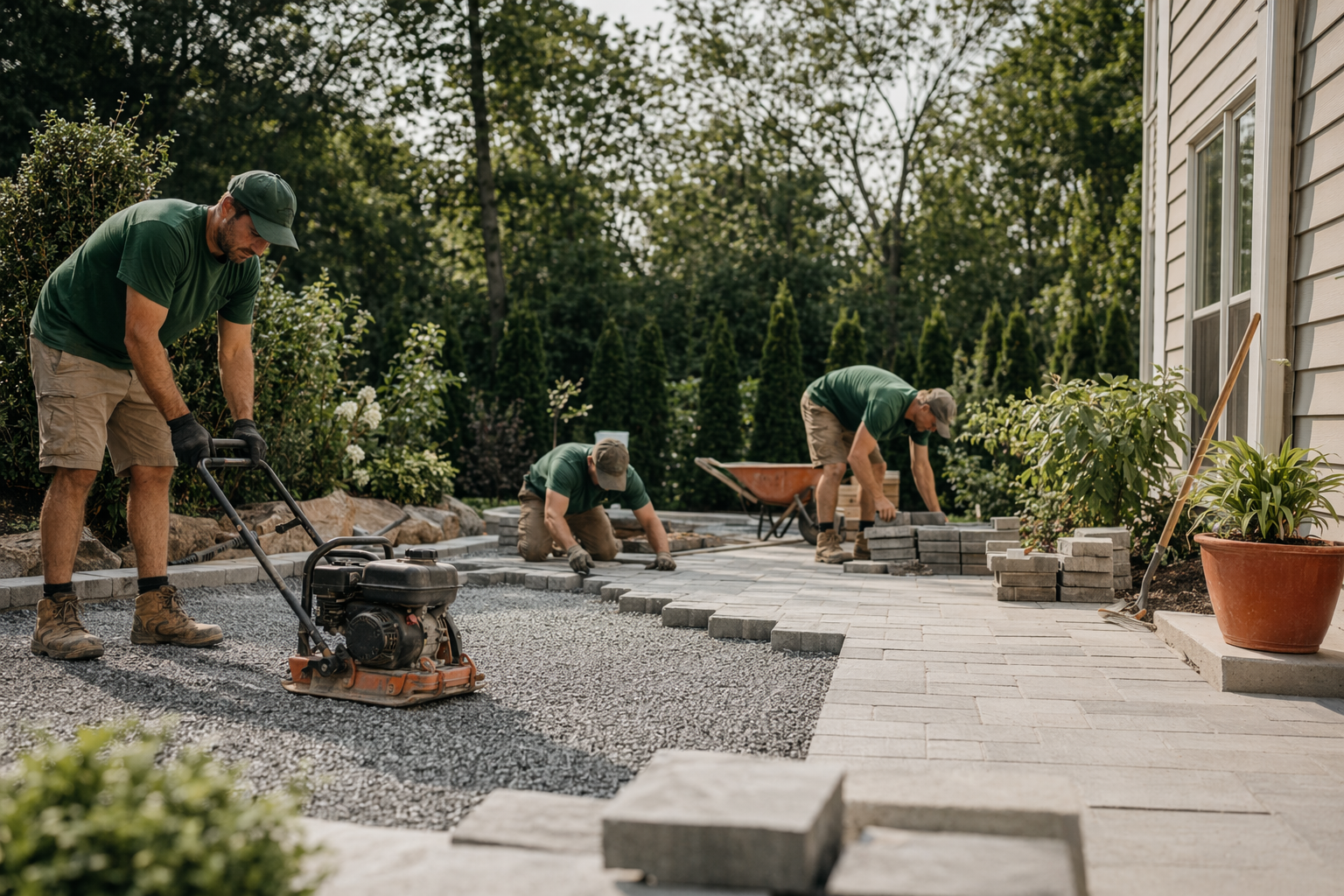
The short answer: weeds grow where joints get empty
Weeds do not usually grow through solid pavers. They show up when windblown dirt, leaves, and seeds collect in the joints, then moisture helps them sprout. So the real goal is to keep the joints filled and clean.
A good paver patio or walkway usually uses a base, edge restraint, and joint material that help the surface stay tight over time. Slate & Sod is a free matching service, not a contractor, builder, or design firm, so we do not do the work ourselves, but we can help you connect with licensed, insured local builders who do this kind of work.
If you are planning a new project, ask for the scope and price in writing before you agree to anything. You stay in control: compare a few quotes, check licenses and insurance, and choose the builder you want.

What helps most: materials and upkeep
A few material choices make a big difference over time:
- Joint sand: basic sand is cheaper, but it can wash out or move more easily and may need more topping up.
- Polymer sand: this is often used because it hardens more than plain sand when set correctly, which can help reduce weed growth and ant activity.
- Sealers: some homeowners use a paver sealer to help lock in the joints and reduce stains, but it is not magic, and it needs reapplication over time.
Even with the right materials, pavers still need upkeep. Sweep often, rinse off soil, trim nearby plants, and pull weeds when they are small. A little maintenance is cheaper than letting the joints break down and fill with debris.
What usually causes weeds to come back
Weeds tend to return when the surface has gaps, low spots, or poor drainage that keeps dirt sitting in the joints. Shade, nearby garden beds, and trees can also make the area seed-heavy and damp.
Installation quality matters too. If the base is weak, the edge restraint is poor, or the joints were not filled well, pavers can shift and leave room for weeds. That is one reason to hire a licensed, insured builder and ask how they handle base prep, joint material, and drainage. For taller retaining walls, drainage concerns, or anything structural, a licensed engineer may be required depending on local rules.
Permits, HOA rules, and what is allowed vary by area, so it is smart to check before work starts.
What to ask a builder before you hire
When you talk to a builder, ask simple, practical questions:
- What joint material do you recommend for this project, and why?
- How will you handle base preparation and edge restraint?
- Do you recommend sealing, and how often would it need maintenance?
- What should I expect for upkeep in my climate?
- Is your quote written and itemized?
Watch for red flags: large cash-only deposits, no license or insurance, vague quotes, no written contract, or pressure to decide on the spot. If someone cannot clearly explain the materials and maintenance, keep looking.
If you are fixing an existing patio
If weeds are already growing, the usual first step is to remove the weeds and clean out the joints as much as possible. Then the joints may need fresh filler, and in some cases a sealer may help slow future growth. The right fix depends on the age of the patio, the amount of joint loss, and whether the pavers are shifting.
Costs vary a lot by project size, access, site conditions, and your area. Basic maintenance or joint refresh work may be much less than a full reset, but ranges are not quotes. If you want help comparing options, check cost guides and project help.
How Slate & Sod can help
If you are planning a new patio, walkway, pool deck, or other outdoor-living project, Slate & Sod can help you get connected with licensed, insured local builders. The service is free for homeowners, and we collect only contact and project intent details like your name, phone, optional email, project type, ZIP, rough budget, and preferred language.
That makes it easier to start with the right kind of pro, compare written quotes, and choose the one that fits your budget and goals. For a simple next step, visit get matched or browse the guides.
Weeds in paver joints usually mean the joints need cleaning, refilling, or better maintenance—not that the whole patio is ruined.
Common questions
What is the best joint filler to stop weeds in pavers?
Polymer sand is often a good choice because it can help the joints stay more stable than plain sand. It is not perfect, though, and good installation plus regular cleaning still matter.
Do weeds mean my pavers were installed badly?
Not always. Some weeds happen just from dirt and seeds blowing in over time. But if weeds are frequent or the pavers are moving, the base, edges, drainage, or joint filling may need attention.
Should I seal pavers to keep weeds out?
Sealing can help in some cases by reducing how easily dirt and moisture collect in the joints. It is not required for every project, and it needs upkeep, so ask a builder whether it makes sense for your surface and climate.
Can I just spray weeds and be done?
Spray may remove the weeds you see, but it does not fix the empty joints that let new weeds grow. Cleaning and refilling the joints is usually the more lasting solution.