Quick answers
Does a patio or outdoor kitchen add home value?
Yes—often a patio or outdoor kitchen can add value, but it depends on your home, your local market, the quality of the work, and how well it fits your yard and lifestyle.
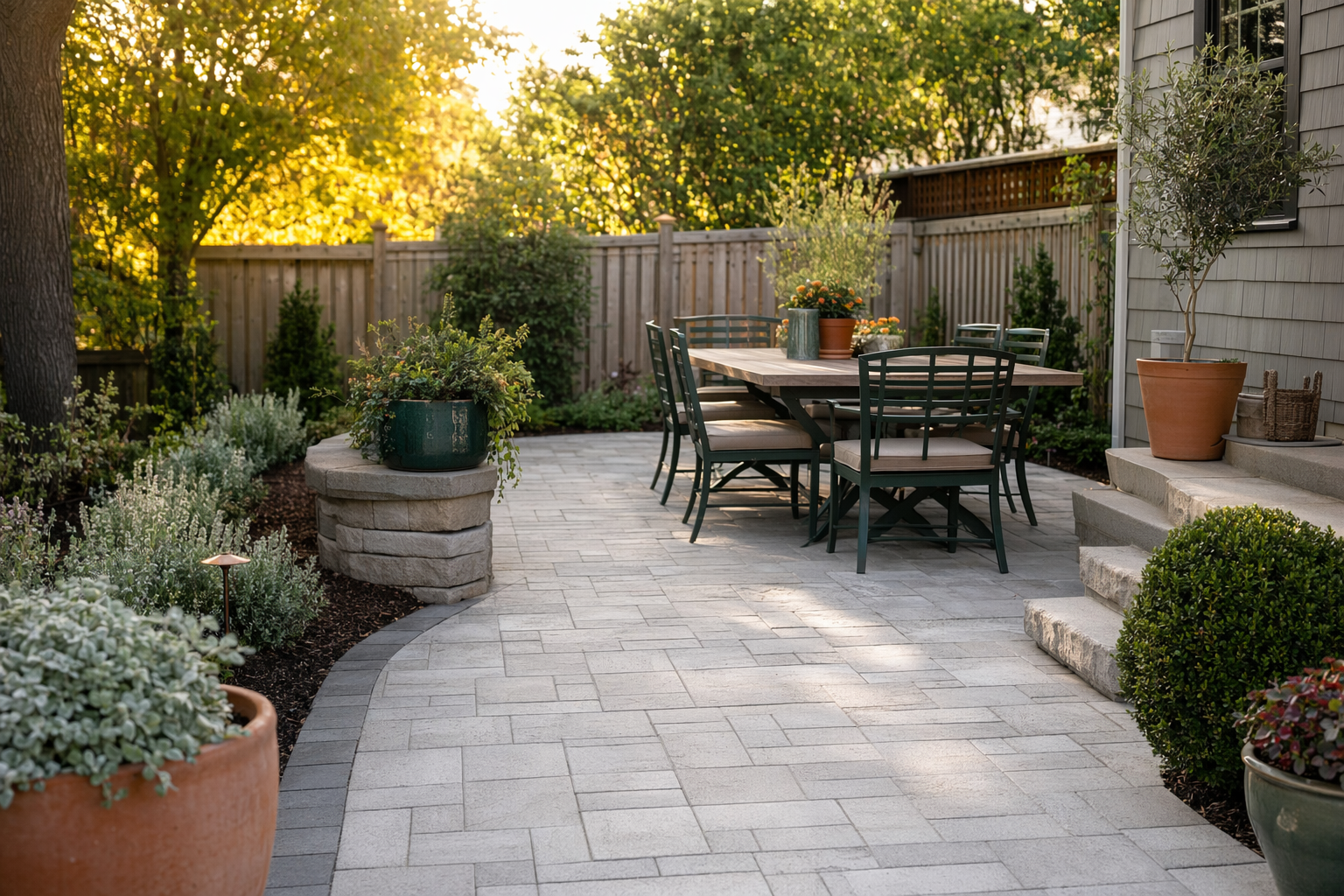
Short answer: maybe, and it’s not always a dollar-for-dollar trade
A patio or outdoor kitchen can increase “usable living space,” which buyers often like. But it’s not guaranteed to recoup 100% of what you spend, and results vary a lot by location and property type.
In many areas, the best return comes when the project is done well, looks like it belongs with the home, and solves common yard problems (like poor layouts for entertaining or hard-to-use outdoor space). If your yard already feels complete and the project is high-end, buyers may be willing to pay more—but if it’s very custom or out of sync with the neighborhood, value can be smaller.
The biggest “value booster” isn’t just adding features—it’s creating a space people can picture using the day they move in. A simple, durable patio and functional outdoor cooking area tend to be easier for buyers to understand than something overly complex.

What buyers tend to value (and what they ignore)
Patios and outdoor kitchens can help buyers imagine entertaining, family time, and weekend comfort. Features that often make a difference include comfortable seating space, a clear path from the house, good lighting, and a layout that works for real life.
Outdoor kitchens can be especially attractive, but only when they feel practical and finished—not like an “in progress” setup. Buyers may value covered areas for shade/rain, storage for supplies, and easy-clean surfaces.
On the flip side, buyers may pay less attention (or feel uncertain) about upgrades they can’t verify easily. Examples include unclear utility hookups, uneven surfaces, drainage issues, or mismatched materials that look trendy but won’t hold up.
Material and design trade-offs that affect long-term value
When people ask about value, they’re often really asking about durability and maintenance. Stone and concrete pavers, for example, can both look great—your choice usually comes down to appearance, budget, and how you want to maintain it over time.
- Pavers: Often offer strong long-term performance and can be easier to repair if a section needs work. They come in many colors and styles, but joints and edges need attention to prevent weed growth and shifting.
- Natural stone: Can create a premium look, but it may vary from piece to piece and can require more careful selection and installation.
- Concrete surfaces: Can be a more budget-friendly option, but finish and cracking risk depend heavily on the right approach and site conditions. It may not have the same “repairable” feel as pavers.
For outdoor kitchens, “trade-offs” show up in the details: built-in grills and cabinets look high-end, but they also add cost and require weather-smart materials and installation. If you choose surfaces that are hard to clean or finishes that don’t hold up to your local weather, the project can lose value with time.
Typical cost ranges (not quotes) and what drives the number
Cost is the reality check for value. A patio or outdoor kitchen can range widely depending on size, materials, site conditions, and how much utility work (like gas or electric) is involved. Your budget may not match what you want, but knowing the drivers helps you plan smarter.
Common factors that push costs up include:
- Larger patio area or complex shapes
- Upgrading to higher-end stone/paver styles
- Retaining walls, major grading, or difficult access
- Better drainage solutions
- Covered pergola structures or more built-in features
- Outdoor kitchen components (seating, cabinets, counters, grill, sink), and any required permits/utilities
For a rough ballpark, many homeowners find that simple patio projects are often less expensive than full outdoor kitchen builds. If you’re trying to estimate your range, start with a “good, basic version” first, then add features one at a time. For more on pricing drivers, see patio and hardscape costs.
How to protect value: plan for longevity, permits, and clean workmanship
If you want resale value, aim for a finished space that looks intentional and stays solid for years. Start with a layout that connects to the house clearly, uses the yard efficiently, and considers how water moves across the site.
Because we can’t see your property, we can’t say what your site needs. But it’s smart to ask your local licensed, insured builder about site conditions and upkeep in plain language. For gas and electrical work, assume permits are required and only use licensed pros.
Also, check local rules. HOA guidelines, permitting requirements, and setback rules can vary by city and state, and they can affect what you can build and where.
Avoid contractor red flags and get everything in writing
A patio or outdoor kitchen should feel like a controlled project, not a gamble. Be cautious with contractors who rely on vague pricing or who pressure you to decide quickly.
Red flags to watch for:
- Large cash-only deposits
- No proof of license and insurance
- A quote that doesn’t list materials, scope, and key allowances
- No written contract
- Pressure to start before permits or before you’re comfortable
Before work begins, insist on a written scope and price that clearly covers:
- What materials are being used (and what “upgrades” cost)
- Patio size, layout, and surface type
- Outdoor kitchen components included (and excluded)
- Drainage approach, cleaning/maintenance expectations, and warranty details
You stay in control. Set your budget, compare a few written quotes, and confirm the scope and total price before construction starts. If you want help planning your project before you reach out to builders, explore home outdoor-living guides and then use get matched with a local builder.
A patio or outdoor kitchen can add home value—especially when it’s durable, well-designed, and matches your market—but the return isn’t guaranteed and depends on your site, materials, and workmanship.
Common questions
Will a patio or outdoor kitchen increase my home’s appraisal value?
It can, but appraisers look at your local market and comparable sales. A well-designed, durable outdoor living space often helps, while highly customized features or maintenance/utility issues can limit impact.
Is it better for value to build a simple patio or an outdoor kitchen?
A simple, durable patio is often easier for buyers to understand and may have broader appeal. An outdoor kitchen can add value when it’s functional, properly finished, and matches the home—otherwise it may be less compelling for resale.
What materials usually hold up best for resale?
Durability and consistent appearance matter most. Many homeowners choose pavers or natural stone for long-term aesthetics, and they plan for maintenance. Your best choice depends on your weather, how much maintenance you want, and your site conditions.
Do I need permits for a patio or outdoor kitchen?
Rules vary by location and by project details. Patios, structures, and especially gas/electrical components often require permits. Ask your builder and check your local building department.
How can I avoid overpaying for features that don’t matter?
Start with the layout and the “core” space first: seating, clear paths, and surfaces that are easy to maintain. Add upgrades only after you have a written budget and compare a few builder quotes.
How does Slate & Sod help?
Slate & Sod is a FREE matching service that helps homeowners plan an outdoor-living project and get connected with licensed, insured local builders. We’re not a contractor and we don’t do construction work.