Quick answers
Do pavers need to be sealed?
Often, pavers don’t “need” to be sealed—but sealing can help with stains and color. The right answer depends on your paver type, how much sun/rain you get, and how you use the area.
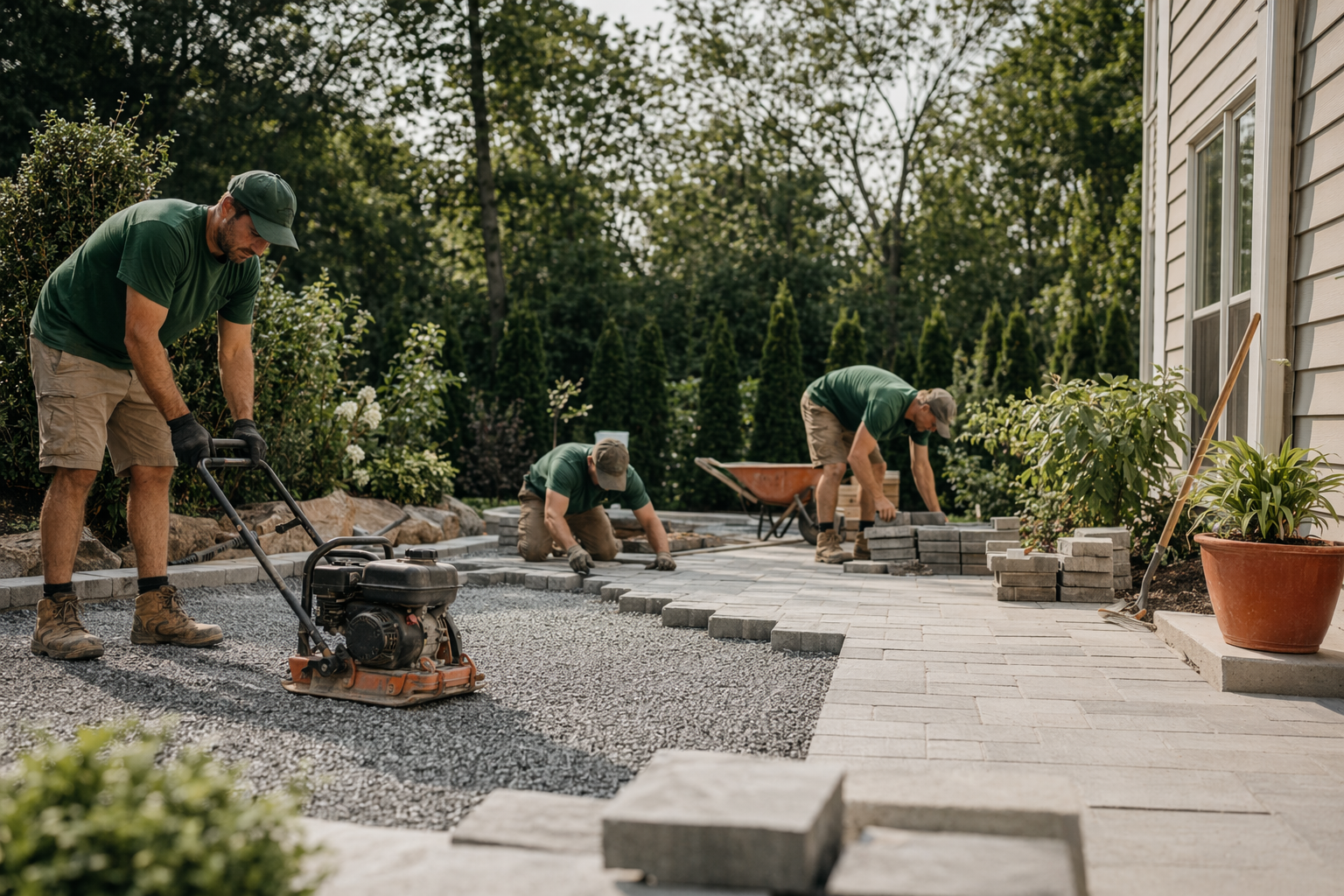
Quick answer: do you have to seal pavers?
In many cases, you can leave properly installed pavers unsealed and still enjoy them for years. However, sealing is a common choice because it can make cleaning easier and reduce how quickly some stains soak in.
Whether sealing is worth it depends on your paver material, the finish (smooth vs. textured), your climate, and your expectations. Some homeowners like a “wet” look or deeper color; others prefer the natural look and lower maintenance.
Slate & Sod can help you find licensed, insured local builders to talk through options for your exact project. We’re a free matching service (we don’t build or seal anything), and we can point you toward people who can explain the trade-offs before you spend money.
- If you’re mainly worried about stains and easier cleaning, sealing is often worth discussing.
- If you want the most natural look and don’t mind normal wear, you may be able to skip sealing.
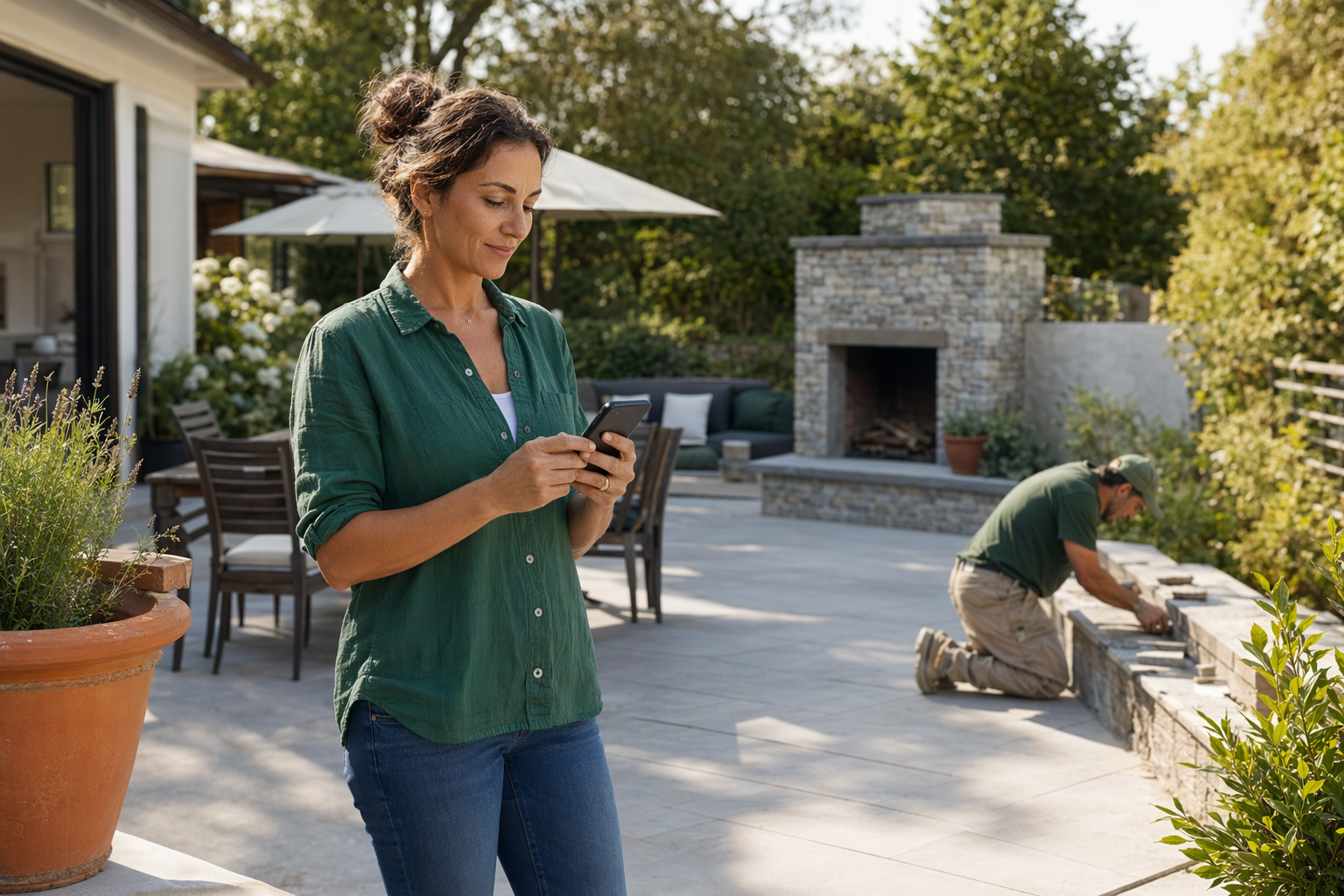
What sealing can do (and what it can’t)
Sealer is mainly a surface treatment. It can help water bead more instead of soaking in right away, and it may slow staining from things like grease, leaf debris, or rust spots. For some pavers, it can also make colors look richer.
But sealing isn’t magic. Dirt, algae, and mildew can still happen—especially in shaded, damp areas. Some sealers also need periodic re-application, and over time they can wear unevenly, causing patchy color or different sheen across the patio.
Also, sealing doesn’t fix installation problems. If water is pooling because of drainage or the base isn’t right, a sealer won’t solve that underlying issue. That’s why it’s smart to ask your builder about site drainage and maintenance—not just the product.
- Can: help with stain resistance and make cleaning easier.
- Can’t: fix drainage issues or poor installation.
- Often: requires re-sealing later to maintain performance.
Common paver types: how the decision changes
Not all pavers behave the same. Concrete pavers, natural stone (like travertine or bluestone), and brick pavers can all be sealed—but the recommended approach and expected results may differ.
Some natural stones are more porous and may benefit from sealing more often. Others are already relatively dense or have finishes designed to manage moisture and staining. For pavers with a textured surface, the sealer may not “look” uniform—any uneven wear can show up more.
A good builder will ask about your specific paver brand/model (and whether it’s already pre-sealed or manufactured with a finish). That matters because some manufacturers have sealing instructions you should follow for warranty and long-term performance.
- Porous materials usually benefit more from sealing—ask about your paver’s absorption and finish.
- Texture and color change can be noticeable; ask for a sample area if possible.
Material trade-offs: appearance vs. maintenance
Sealing choices usually come with an appearance trade-off. A “glossy/wet look” sealer can be striking, but it can also show surface wear, scratches, or small imperfections more clearly. A matte or penetrating-style sealer may look more natural, but stain protection can vary by product.
Maintenance is also part of the deal. Sealed areas typically still need regular cleaning—just often with fewer stains soaking in. If you wait too long to re-seal, you may have to clean deeper or re-treat more aggressively.
One more practical point: if your paver area has joints filled with sand or polymeric sand, sealing can interact with those joint systems. That’s another reason to talk with a licensed, insured builder who can explain the full plan for your patio or walkway—not just the sealer bucket.
- Expect some re-sealing later; plan for ongoing upkeep.
- Ask how sealing will affect color, sheen, and joint/cleaning habits.
Typical costs and what drives them (not a quote)
Cost varies a lot by your project size, the paver material, how much surface prep is needed, and your location. Sealing a paver patio or walkway commonly runs in the ballpark of a few hundred to a few thousand dollars for many typical homeowner projects, but the real range depends on square footage and access.
Things that usually increase cost:
- Larger areas (more square footage)
- Heavy buildup (mold, algae, old stain) that needs cleaning first
- Sealer type (some premium products cost more)
- Uneven access (tight paths, steps, landscaping close to the edges)
Things that may reduce cost:
- Smaller, straightforward shapes
- Clean, relatively new pavers
- A simple finish and limited prep needs
Remember: ranges are not quotes. Ask for an itemized written scope that includes the sealer product type, coverage expectations, prep steps, and any re-application plan.
- Get the scope and price in writing before anyone starts.
- Beware of “cheap and vague” quotes—ask what’s included in prep and cleanup.
How to get reliable answers and avoid red flags
Start by asking your builder a few direct questions: Are your pavers already sealed or pre-finished? What sealer type do you recommend (and why for my paver material and climate)? How often will it need re-application, and what does that cost?
Then ask about cleaning and prep. Sealer performance often depends on starting with a properly clean, suitable surface. Also, ask how they’ll protect nearby plants, and whether they’ll follow local environmental rules for cleaning solutions.
Red flags to watch for:
- Large cash-only deposits
- No license/insurance (for applicable work)
- Vague estimates with no written scope
- Pressure to decide on the spot
- Promises like “stain-proof forever”
If you want, you can use get matched to request help planning your patio or walkway and get connected with licensed, insured local outdoor-living/hardscape builders. For broader planning basics, see guides and costs before you talk budget.
- Insist on a written scope: prep, product, coverage, and cleanup.
- Compare a few written options—your “best deal” should be the clearest plan, not just the lowest price.
You usually don’t have to seal pavers, but sealing can help with stains and cleaning—just know it may need re-doing and it won’t fix drainage or installation issues.
Common questions
Will sealing my pavers make them slippery?
It depends on the product and finish (matte vs. glossy) and how clean the surface stays. In wet weather, any outdoor surface can be slippery—ask the builder what sealer they use and whether they recommend extra traction steps for your climate.
How often do pavers need to be re-sealed?
There isn’t one exact schedule. Many sealers require re-application after a number of years, but timing depends on sun exposure, rainfall, cleaning products, and foot/vehicle traffic. A builder should be able to explain a realistic maintenance timeline for the specific product.
Can I seal pavers myself?
Some homeowners do, but results can be uneven if prep and surface conditions aren’t right. If you’re new to this or your area gets algae/mildew, it can be worth getting a few local quotes so you can compare prep steps and product choices.
Does sealing fix dark spots or algae already on my patio?
Usually not. Existing stains or algae often need cleaning first. Sealing over the wrong surface condition can lock in problems or create uneven sheen, so ask about prep and cleaning before sealing.
Is sealing required by a paver manufacturer?
Sometimes manufacturers have instructions that affect warranty or long-term performance. Check the brand/model guidance for your exact pavers, and ask a builder to follow the manufacturer’s recommendations.