Quick answers
Are outdoor kitchens worth it?
Outdoor kitchens can be worth it if you’ll actually use them and you pick a realistic scope. Here’s a plain, honest way to think through value, materials, costs, and how to get matched with a licensed, insured local builder.
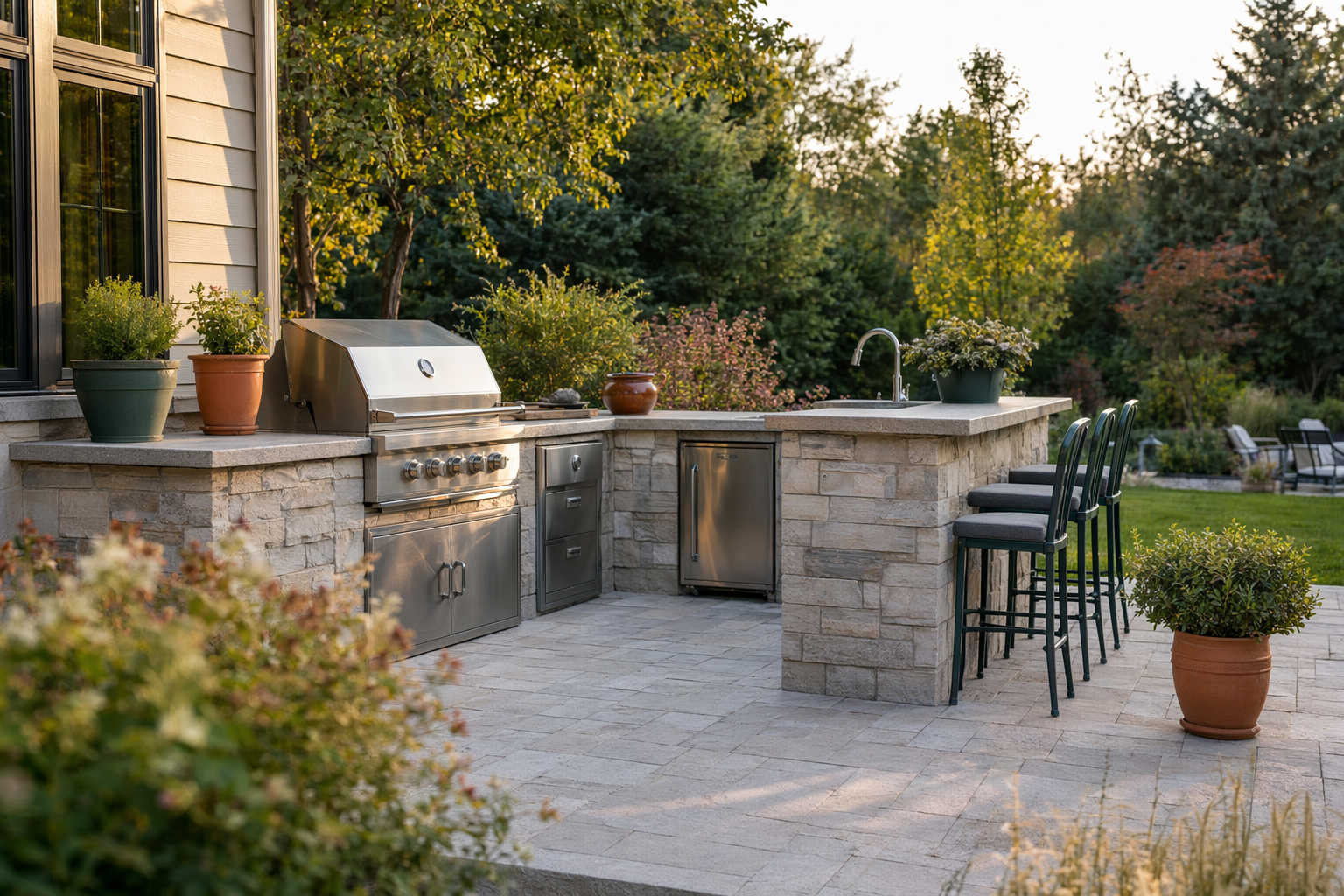
Short answer: are outdoor kitchens worth it?
An outdoor kitchen is “worth it” when it makes your backyard life easier—more cooking at home, fewer trips inside, and a space friends can gather in.
It’s less worth it if you mostly grill occasionally, don’t have convenient utility access, or want a full setup without checking weather, upkeep, and permits. The biggest value comes from matching the kitchen to how you live, not from copying a magazine design.
If you’re unsure, start with the simplest version that still feels usable (for example: a grill + storage + prep area). Then decide if you truly want to expand later. This approach can help you stay within budget while still improving daily life.
- Worth it if you’ll use it often and you can support utilities (electric/gas/water) nearby
- May not be worth it if you want “everything” but your site limits access and adds major costs
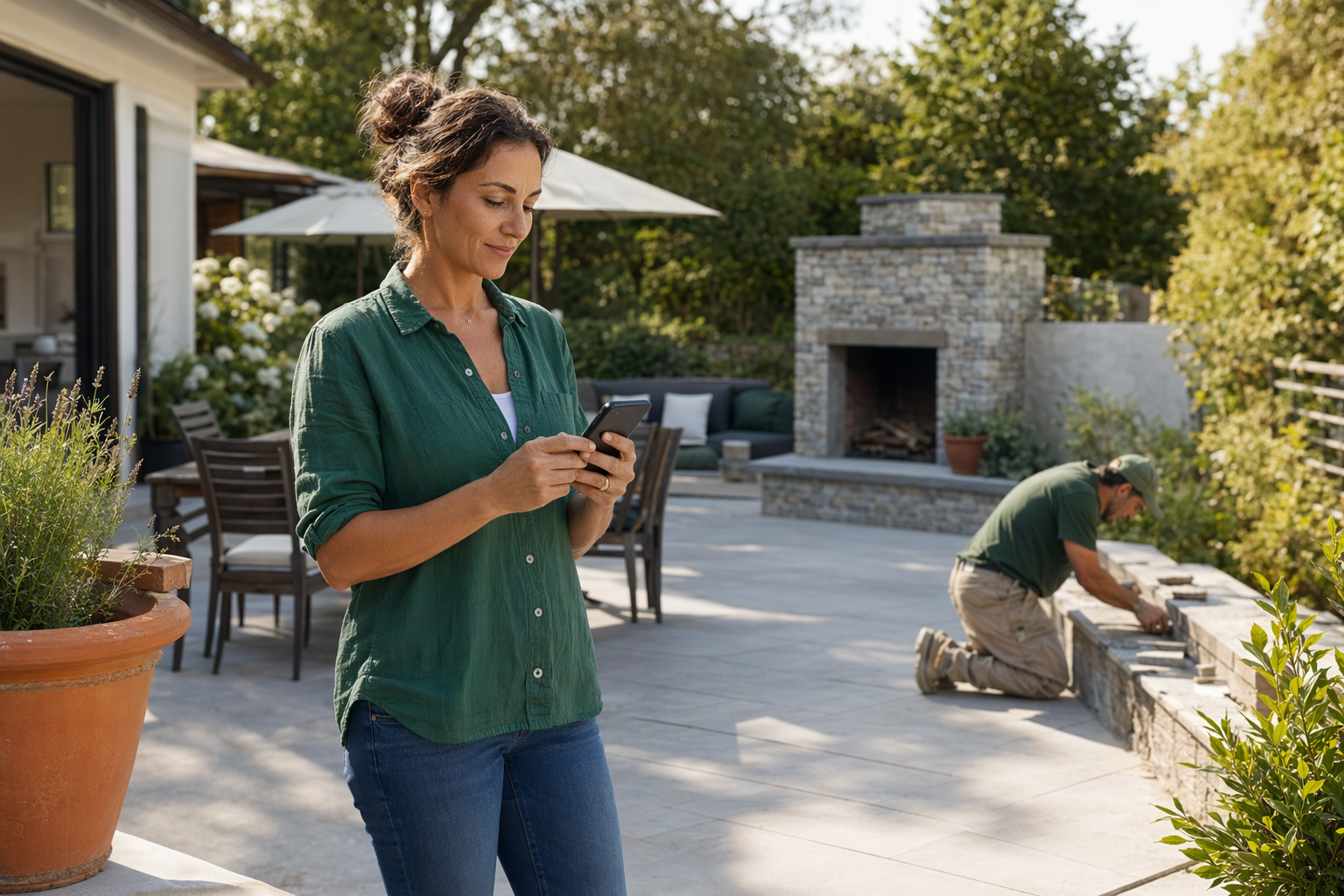
What “worth it” usually means in real life
Outdoor kitchens tend to pay back in comfort and routine. If you host, outdoor cooking can turn a backyard from “nice to sit” into “nice to live in.” Even without frequent parties, having a dedicated grill and prep zone can make weeknight grilling feel simpler.
They can also help resale appeal, but it’s not guaranteed. Buyers vary: some love outdoor living, others prefer a more flexible yard or don’t want maintenance. A well-designed, durable setup that looks tidy matters more than having every possible feature.
A good rule: ask what you’ll do 10 times per summer. If you can picture yourself cooking outdoors that often, it’s a strong sign the project fits your life.
- Value is often about daily use and entertaining, not just resale
- Durability and a clean, cohesive look help more than extra gadgets
Common features (and the trade-offs that change the value)
Outdoor kitchens can include a grill, burner ranges, fridge, sink, prep counters, storage cabinets, covered structure, and lighting. Each feature adds cost and also adds decisions—like whether you need water access for a sink and how you’ll protect items from heat and weather.
Materials matter too. Natural stone and pavers can be long-lasting and look premium, but they require the right installation and regular cleaning/sealing (depending on the material). Tile can look great, but grout and finishes need care in freeze-thaw climates. Stucco-like finishes and mortar joints can also require maintenance over time.
Weather protection is a quiet “make or break” factor. Even if parts are rated for outdoor use, repeated sun, rain, and temperature swings affect longevity. Covered areas usually cost more, but they often reduce wear on countertops, cabinets, and appliances.
- Add-ons like a sink/fridge can raise costs and maintenance—only include what you’ll use
- Covered vs. uncovered affects durability and comfort
Material options at a glance (what homeowners usually trade off)
Here are typical choices and what to think about. Your local builder can explain which options fit your climate and budget.
- Countertops: Granite tends to be durable and heat-resistant, while some engineered stones can offer good performance but vary by product. In any case, outdoor-rated sealing/maintenance matters.
- Framing/structure: Masonry-style builds (like block/brick or stone) often provide a solid look and can support heavy countertops, but they can require careful site preparation and drainage considerations.
- Cabinets and storage: Outdoor-rated materials can be long-lasting, but cheaper storage often warps or rusts. If you store tools or supplies, ventilation and shielding from direct water spray matter.
- Flooring nearby: A consistent surface (often pavers or stone) can make the whole area feel intentional. Slope and drainage under and around the kitchen affect how clean and comfortable the space stays over time.
- The “best” material is the one that fits your climate, maintenance comfort, and budget
- Ask what needs sealing/maintenance and how often
Typical cost ranges (not quotes) and what drives the price up or down
Outdoor kitchen budgets vary a lot. A simple outdoor grilling area can land in a lower range, while adding a sink, fridge, more counters, custom masonry, lighting, and a covered structure usually increases costs. The exact number depends on your layout, utility needs, and site conditions.
Common cost drivers include:
- Size and scope (grill-only vs. full kitchen)
- Materials (stone/brick vs. more basic finishes)
- Covered vs. uncovered design
- Whether you need to add or extend utilities (electric, gas, water, drainage)
- Site access and ground conditions (slope, soil, drainage, how hard it is to bring materials in)
- Appliance choices (brand, power needs, and whether they’re outdoor-rated)
If you want a practical starting point, look at your “must-haves” first. Then plan a sensible approach: if you’re tight on budget, prioritize a strong grill/prep zone and postpone lower-use extras. If you’re planning to spend more, spend it where you’ll benefit daily—prep space, storage that stays dry, and a comfortable layout.
- Ranges are not quotes—your final cost depends on your site and exact scope
- Utilities and covered structures often add the most variability
How to get matched with a local, licensed, insured builder (and avoid red flags)
Slate & Sod is a free matching service. We help homeowners across the United States PLAN an outdoor-living project and get connected with licensed, insured LOCAL outdoor-living and hardscape builders. We don’t build, design, or provide construction work.
To get matched, you’ll share basic contact info and your ZIP, project type (outdoor kitchen), a rough budget, and your preferred language. Then we connect you with suitable builders in your area so you can compare written options at your pace.
When you talk to builders, ask for the scope and price in writing. A clear written description should include materials, appliance allowances (if any), what’s included vs. excluded, timelines/steps at a high level, and how changes are handled.
Red flags to watch for:
- Large cash-only deposits or unusual payment requests
- No proof of license/insurance
- Vague quotes without a clear scope
- Pressure to decide on the spot
- No written contract or unclear change-order process
For gas/electrical work and any plumbing, insist on licensed professionals and permits where required. Your local building department and codes set what’s allowed in your area.
If you’d like, start with our outdoor-living planning guide and explore outdoor-living costs to pressure-test your budget before you request quotes.
- Get the scope + price in writing, and compare a few options
- Verify licensing/insurance and permits for gas, electrical, and plumbing
Outdoor kitchens are often worth it if they fit how you’ll cook and gather, and if you plan a realistic scope around materials, weather, and the real utility/permit needs.
Common questions
What’s the simplest outdoor kitchen that still feels worth it?
Many homeowners start with a grill, a solid prep surface, and nearby storage so cooking feels easy. A covered section over the grill and prep can be a great value upgrade if your weather is rough.
Is it worth adding a sink and fridge?
It can be, but only if you’ll use them. A sink adds utility and drainage complexity and usually more cost; a fridge works best with good weather protection and planning for power access.
Do outdoor kitchens need to be covered?
Not always, but covering usually improves comfort and can extend the life of countertops, cabinets, and appliances. If you’re in a freeze-thaw or heavy-rain area, weather protection matters more.
How do I keep costs down without sacrificing quality?
Choose a focused layout first (grill + prep + storage), pick durable materials that match your climate, and avoid features you won’t use. Also consider staging the project—doing the core outdoor cooking zone now and adding extras later.
How do permits and utilities affect the budget?
Permits, trenching/utility extensions, and licensed gas/electrical/plumbing work can add cost and time. Your local builder can explain typical requirements for your area, but the building department and code rules will be the final authority.
How do I know I’m hiring a good contractor?
Look for proof of license and insurance, a written scope with materials and inclusions/exclusions, and a clear contract. Avoid cash-only deposits, vague quotes, and pressure tactics.