Guides
What an outdoor kitchen really costs
An outdoor kitchen can range from a simple grill setup to a full countertop-and-appliance build. Here are realistic cost ranges and the main factors that change the price—so you can plan a budget you can trust.
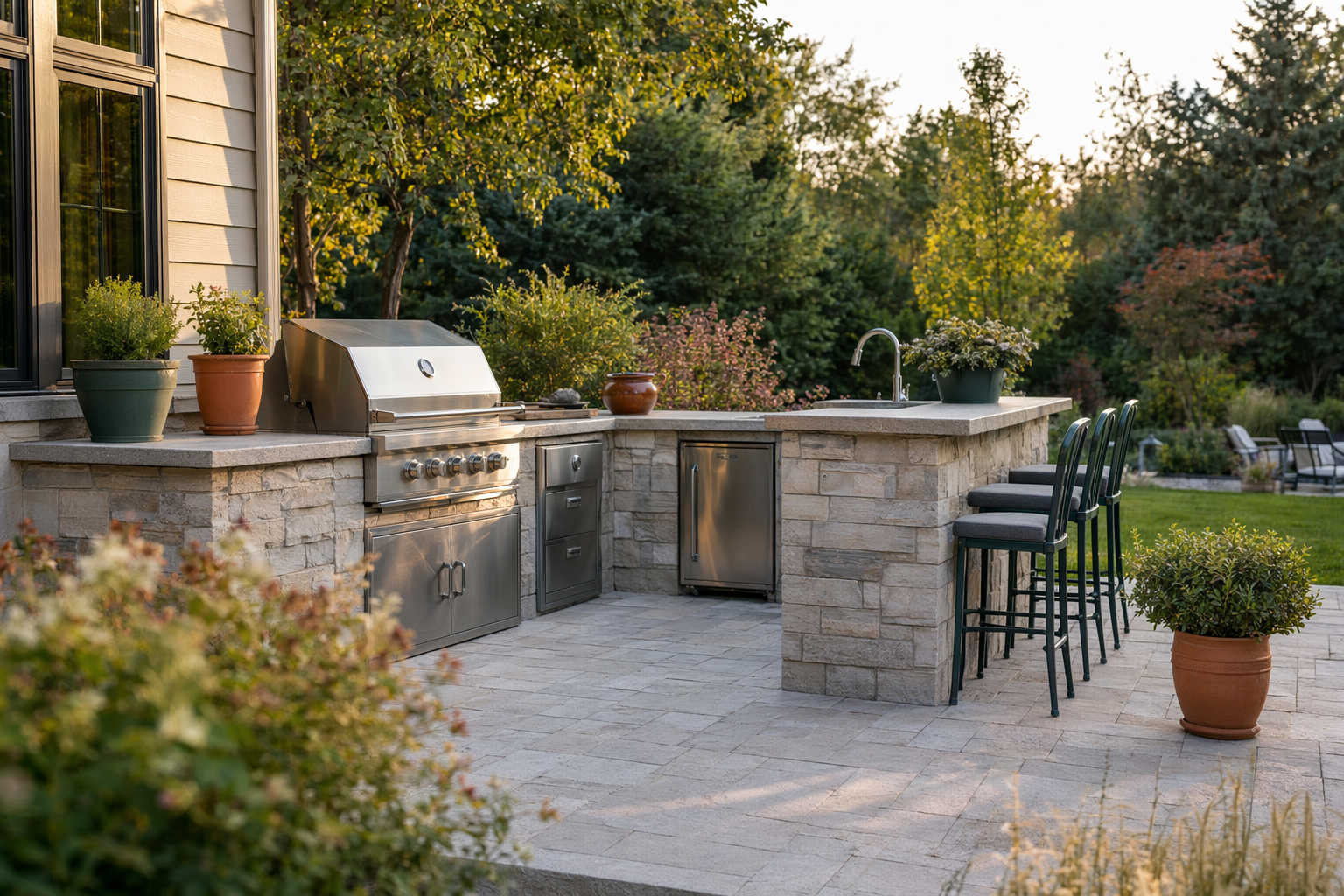
Quick answer: typical outdoor kitchen cost ranges
Most homeowners spend somewhere in these ranges, depending on size, materials, and appliances. These are not quotes—your actual cost can be higher or lower based on site conditions and what you choose.
- Simple grill island or cabinet-style base (grill not included): about $3,000–$8,000
- Mid-range outdoor kitchen (countertop + sink + 1–2 appliances, basic lighting): about $8,000–$20,000
- Higher-end full outdoor kitchen (multiple appliances, upgraded counters, more storage, better finishes): about $20,000–$45,000+
Gas, electrical, and plumbing connections can also be a big part of the budget—especially if utilities need to be extended. Permits may be required, and those details vary by city and county.
If you’re not sure where you fit, start by listing what you want to use every week (grill, sink, fridge, prep space, storage). That “must-have list” usually leads to a budget that feels realistic.

What you’re really paying for (the big cost drivers)
Outdoor kitchens aren’t one single thing—they’re a combination of foundation/base, surfaces, storage, and utilities. Even if the layout looks simple, the hidden work (connections, access, site prep) can change the price.
Common things that drive cost up or down:
1. Appliances and fuel type: Built-in grills, side burners, warming drawers, refrigerators, and ice makers add cost. Gas grills and built-in units can require gas lines and shutoffs.
2. Countertop and surface material: Porcelain, natural stone, concrete, and stainless finishes vary a lot in price. More “hard-wearing” choices and thicker slabs tend to cost more, but can hold up better.
3. Cabinet/storage style: Weather-rated cabinetry, doors, drawers, and finished backing cost more than basic frames. Storage choices also affect how much protection you need from rain and wind.
4. Plumbing and drainage: If you include a sink, you’ll pay for water supply and wastewater considerations. Where the line can run, and how far it needs to go, matters.
5. Electrical and lighting: Outdoor-rated outlets, low-voltage lighting, and any dedicated circuits can raise costs—especially if wiring needs long runs.
6. Site conditions: Slope, soil conditions, existing patio access, and where equipment can be delivered/installed all affect labor and materials.
Material trade-offs: what to choose (and what it costs you)
Picking materials is where many budgets get stretched—or saved. The goal is to match your lifestyle: how often you cook outdoors, how much rain/humidity your area has, and whether you want “set it and forget it.”
Here are common trade-offs homeowners run into:
- Countertops
- Natural stone (like granite or similar): Often looks upscale and is durable, but pricing varies widely by slab availability and thickness.
- Engineered stone or quartz-style surfaces: Can be consistent in appearance, but pricing and outdoor suitability depend on the product.
- Concrete-style or tile/segmented surfaces: Can fit different looks and budgets, but grout joints and edges need good installation and maintenance planning.
- Built-in base and framing
- Lower-cost base options: Can reduce price but may limit how “finished” the look is or how much storage you can build in.
- Heavier built-in systems: Usually cost more, but can offer better stability and a more integrated look.
- Surfaces and storage protection
- Weather-rated materials: Cost more upfront, but help reduce warping, swelling, and premature wear.
- “Looks great now” materials: Sometimes cost less at first, but may need more upkeep or replacement sooner outdoors.
If you’re new to US outdoor builds: ask the builder what parts are specifically “outdoor-rated” (not just “water-resistant”) and what maintenance the manufacturer recommends for your exact countertop and hardware.
Budgeting tips that help you avoid overpaying
You can often get a better outcome by budgeting in the right order: layout and must-haves first, then upgrades. A clean plan also helps you compare quotes fairly.
Try this practical approach:
- Start with your “use list”: grill cooking, prep space, sink needs, refrigeration, and whether you entertain often.
- Decide what stays optional: ice maker, second sink, extra burners, fancy lighting, or built-in TV/wiring.
- Choose materials that match your time: if you want low maintenance, prioritize surfaces designed for outdoor use.
- Plan for utilities early: if gas/electric/plumbing need to be extended, that can change the whole budget.
- Build for future flexibility: some homeowners save by keeping the base simpler now and upgrading appliances later (with the right wiring/plumbing provisions).
Also be cautious with “big discount” deals. Red flags include no written scope, no line-item pricing, vague estimates (“around” with no details), or pushing you to decide quickly.
Get the full scope and price in writing before you start, including what’s included (and excluded), appliance assumptions, countertop thickness/options, utility connection responsibilities, and the finish schedule.
Red flags to watch for (and questions to ask)
Outdoor kitchens involve multiple trades—carpentry/masonry-style elements, and potentially gas, electrical, and plumbing. The right builder should coordinate those details clearly and follow local requirements.
Red flags to avoid:
- Large cash-only deposits without a clear payment schedule
- No proof of license/insurance (for trades where required)
- A quote that doesn’t break down major items (countertop, base, appliances, labor, electrical/gas/plumbing allowances)
- Pressure to sign “today” or refusal to put changes in writing
- Promises like “guaranteed price” or “guaranteed timeline” despite unknown site conditions
Good questions to ask:
- What exactly is included in the base price (countertop type, number of cabinets, sink option, lighting)?
- What are the utility assumptions (where lines tie in, whether extensions are needed, and permit responsibilities)?
- Which materials are outdoor-rated, and what maintenance do you recommend?
- How do you handle changes if appliance models change or site conditions differ?
- Can you provide an itemized written quote and a start/finish plan?
For gas and electrical work: make sure a licensed professional handles it and that permits are pulled where required. Building code rules vary by location.
How Slate & Sod helps you get matched with a local builder
Slate & Sod is a free matching service. We don’t build or design outdoor kitchens ourselves—we simply help homeowners connect with licensed, insured local outdoor-living and hardscape builders.
To get matched, share a few details about your project, including:
- Your ZIP code
- What type of outdoor kitchen you want (simple grill setup vs. full build)
- A rough budget range
- Your preferred language (optional)
- Your must-haves (sink, refrigerator, lighting, etc.)
Then you can compare written proposals from the builders you’re connected to—staying in control of your budget and decisions.
If you want a starting point, you can also explore our outdoor-living guide hubs and see related ideas in outdoor project examples before you talk to builders. When you’re ready, use get matched to start the conversation.
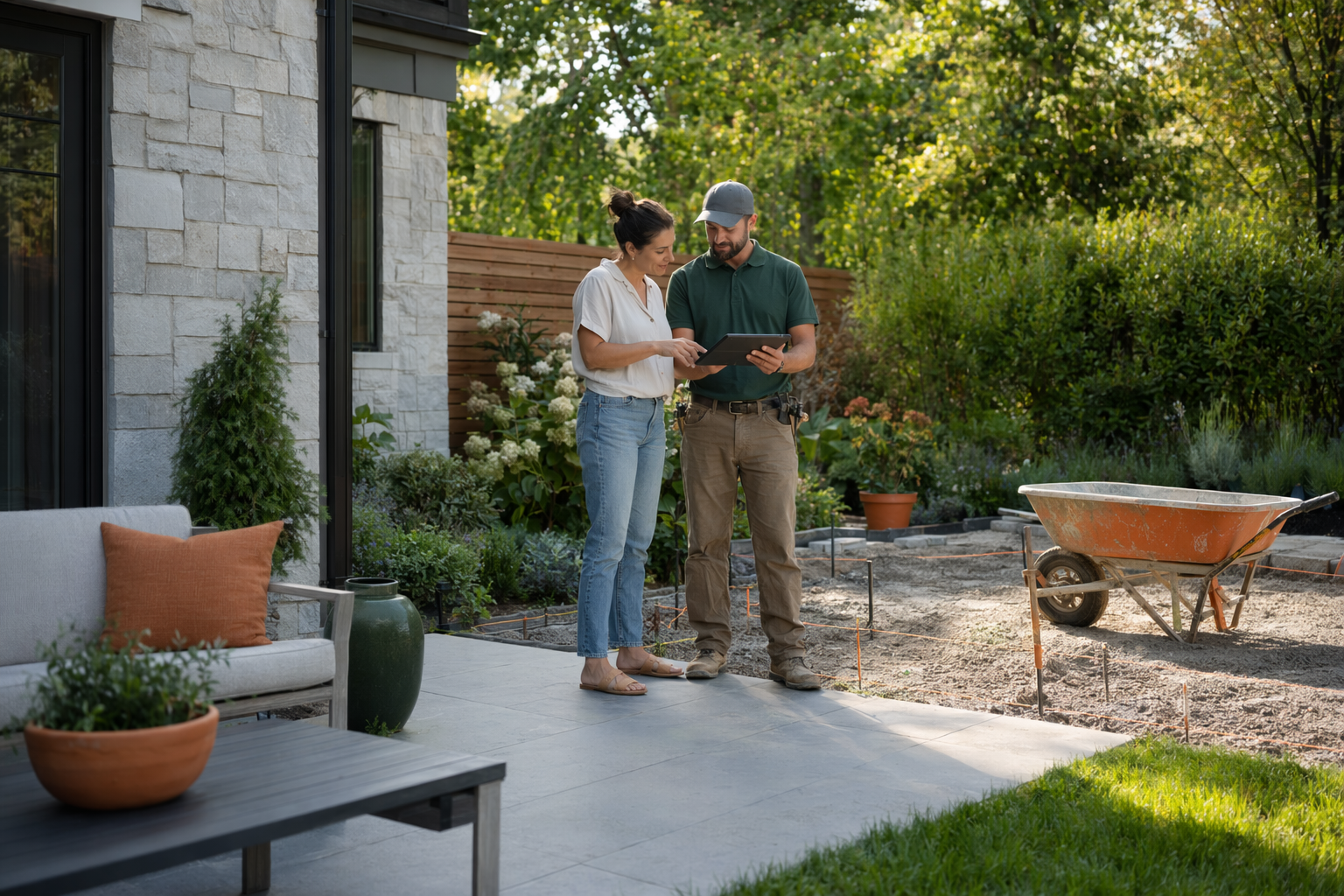
Outdoor kitchens commonly cost a few thousand to tens of thousands, mainly driven by appliances, countertops, and any gas/electrical/plumbing work—so plan with real ranges and insist on itemized, written scopes.
Common questions
Does an outdoor kitchen cost more if I want a sink and running water?
Usually, yes. A sink adds plumbing supply and drainage considerations, plus permits in many places. The distance to existing lines and how the area is laid out often changes the price more than the sink itself.
Is it cheaper to go with a basic grill island instead of a full outdoor kitchen?
Often it is. A grill island can focus on one main appliance and countertop space, while a full outdoor kitchen adds storage, counters, multiple appliances, and sometimes lighting and utility extensions.
What’s the biggest “surprise” cost homeowners run into?
Utilities and site conditions are common surprises—like needing to extend gas/electric/plumbing lines, dealing with slope or access, or adjusting the plan for how the patio is built. That’s why clear written scope and itemized quotes matter.
Should I expect permits for an outdoor kitchen?
In many areas, yes—especially when gas, electrical wiring, plumbing, or major structural changes are involved. Permit rules vary by location, so ask builders what they handle and confirm with your local building department if needed.
How do I compare quotes fairly?
Ask for line-item pricing and a clear written scope that states exactly which materials, appliance assumptions, and utility connection responsibilities are included. If two quotes list different countertop types, appliance brands, or utility assumptions, they may look similar but cost differently in real life.