Guides
Best time of year to build a patio or outdoor kitchen
The best time to build a patio or outdoor kitchen is often when the weather is mild and the builder’s schedule is less crowded. The “best” season still depends on your climate, your project size, and how quickly you want it finished.
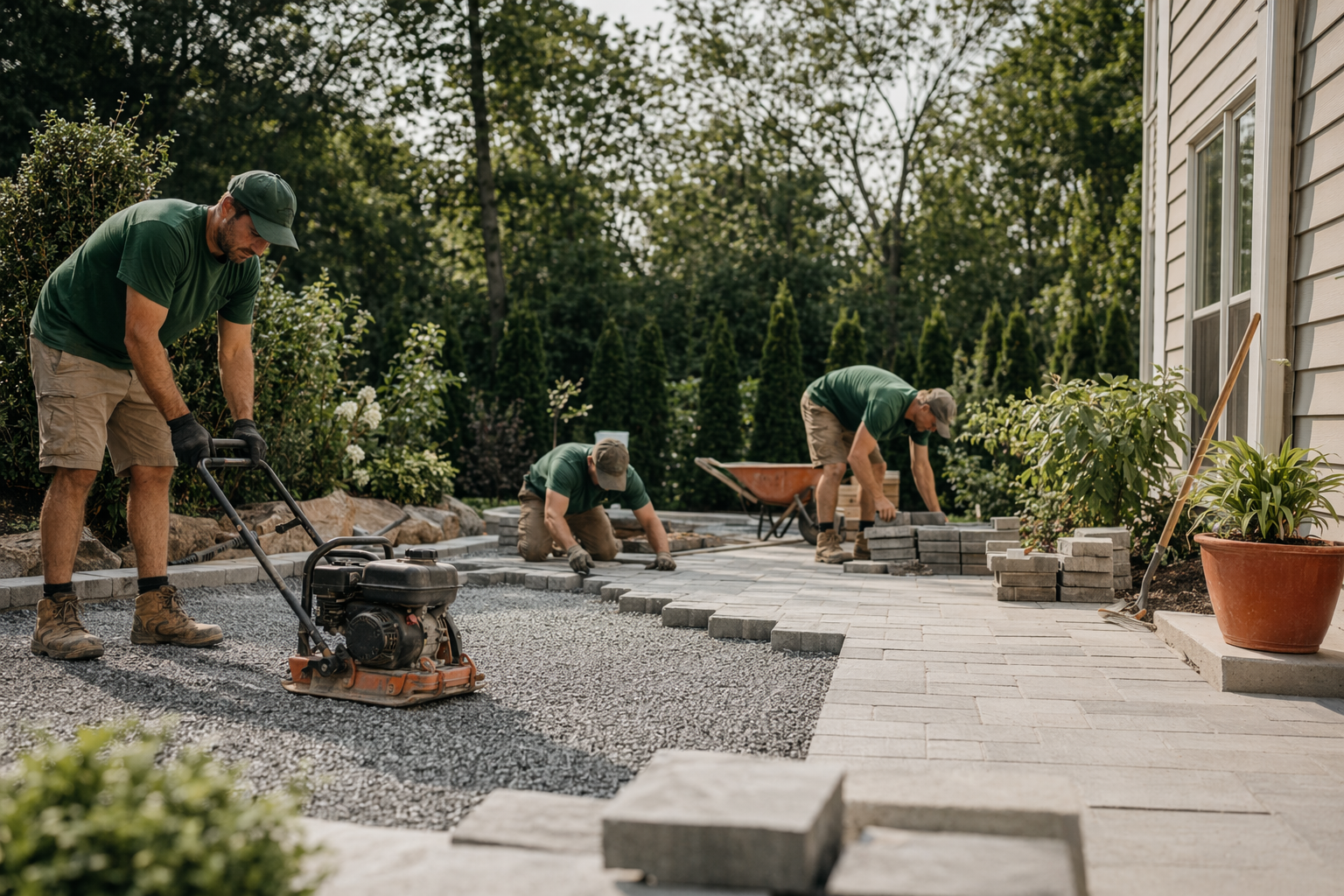
The short answer: spring and fall are usually the easiest seasons
For many homeowners, spring and fall are the most comfortable times to build because crews can work in milder weather and materials often handle better than in extreme heat, cold, or heavy rain. That can make scheduling and installation smoother.
If you want your patio or outdoor kitchen ready for summer, the smartest move is usually to plan in winter or early spring. If you want it ready for next spring, fall and winter are good times to start getting estimates, choosing materials, and booking a builder.
Slate & Sod is a free matching service, not a contractor or design firm. We help you connect with licensed, insured local builders, but you stay in control of the budget, the scope, and who you hire.
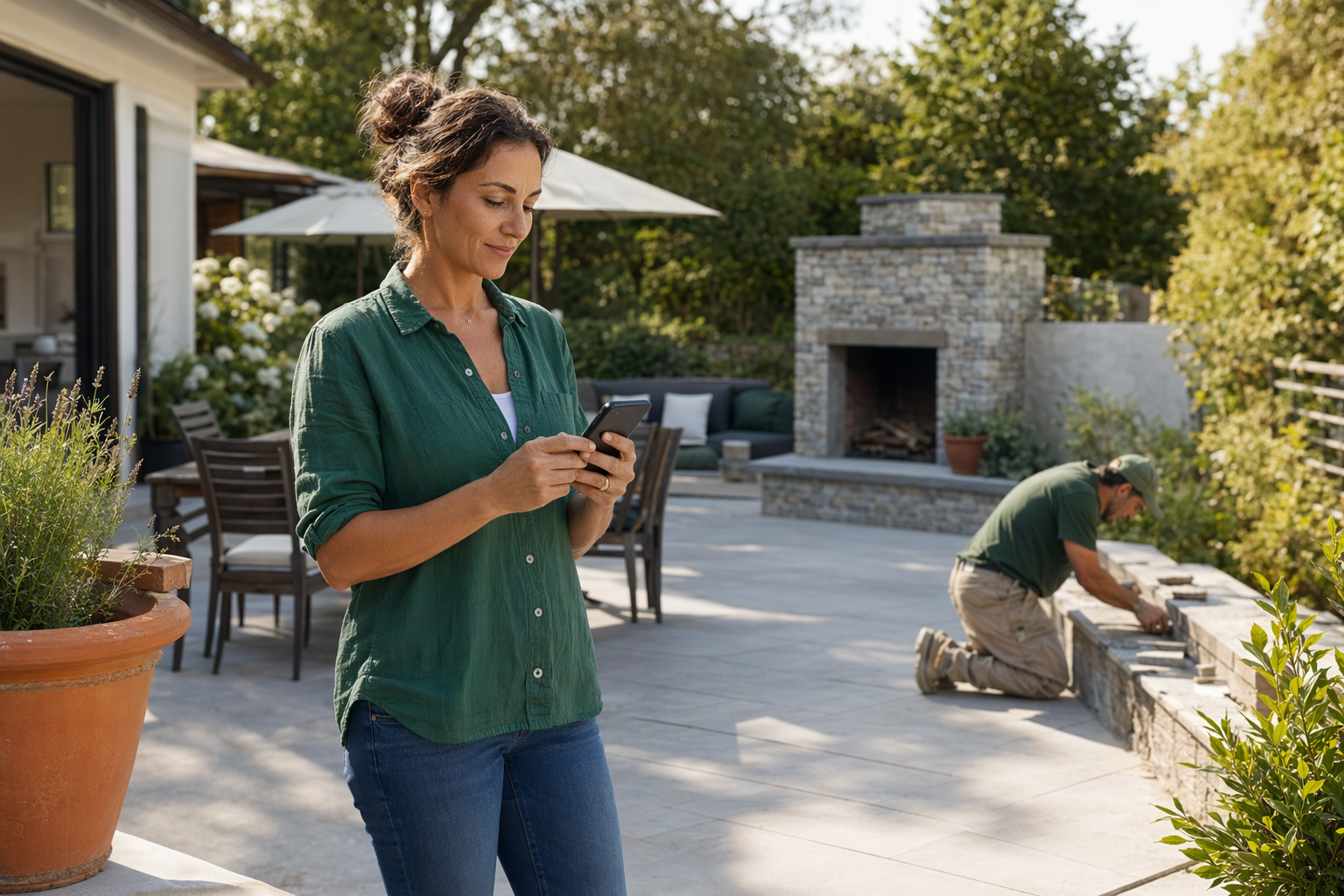
How the season can affect your project
Weather changes more than comfort. Rain can slow site work, freeze-thaw conditions can affect some materials and base prep, and extreme heat can make crews work shorter days. In some areas, winter is fine for planning and pricing, but not ideal for digging or setting certain materials.
Lead times also change through the year. Spring and early summer are often busy, so you may wait longer for a crew. Off-season months can sometimes mean better availability, but not always lower prices. A busy schedule, short notice, or a hard-to-reach site can still raise the cost.
For outdoor kitchens, timing matters even more because gas, electric, and plumbing work may need permits and licensed pros. Always confirm what is allowed in your area with the local building department.
Material trade-offs by weather and use
Different materials behave differently in different seasons. Pavers are popular because they can be repaired more easily than some poured surfaces, and they offer many styles. Natural stone can look beautiful and feel high-end, but it may cost more and the look can vary from piece to piece. Concrete can be more budget-friendly, but finish and cracking concerns may matter more depending on climate and base conditions.
For outdoor kitchens, the cabinet material, countertop choice, and appliance quality matter. Stainless steel, stone veneer, concrete, and porcelain all have trade-offs for heat, moisture, upkeep, and price. A builder can help you compare what fits your climate and how much maintenance you want to take on.
If you are also considering a fire pit, retaining wall, or pergola, it is often smart to plan the whole backyard at once even if you build in phases. That can reduce do-overs and help the finished space look more connected.
What usually drives the cost up or down
Season is only one part of the price. The real number depends on project size, materials, site conditions, access, drainage, soil, and your area. A small patio is one thing; a patio with steps, retaining walls, utility runs, and a full outdoor kitchen is another.
As a rough general guide, simpler patio projects may start in the low thousands, while larger or higher-end patios and outdoor kitchens can move into the tens of thousands or more. Those are only broad ranges, not quotes. Always get the scope and price in writing from each builder.
If you want a deeper look at budget drivers, see outdoor living costs. If you are still deciding what to build, browse project ideas.
How to plan the timing the smart way
- Decide what you want first: patio only, patio plus kitchen, or a full backyard plan.
- Set a rough budget before you request estimates.
- Gather a few photos or simple notes about style, size, and must-haves.
- Ask builders what season they can start, how weather may affect the schedule, and what permits may be needed.
- Get written quotes that spell out materials, labor, cleanup, and any utility work.
- Compare a few licensed, insured builders before you choose.
If you want help finding local pros, start here: get matched. Slate & Sod collects only contact info and project details like ZIP, rough budget, and preferred language.
Red flags to watch for when timing gets tight
Be careful if a builder pushes you to decide on the spot, asks for a large cash-only deposit, will not show proof of license and insurance, or gives a vague quote without details. Those are common warning signs, especially when schedules are busy.
A good builder should be willing to explain the plan in plain words and put the scope, materials, price, and next steps in writing. If something is not clear, ask questions before work starts. You should feel comfortable comparing a few bids and choosing the one that fits your project and your budget.
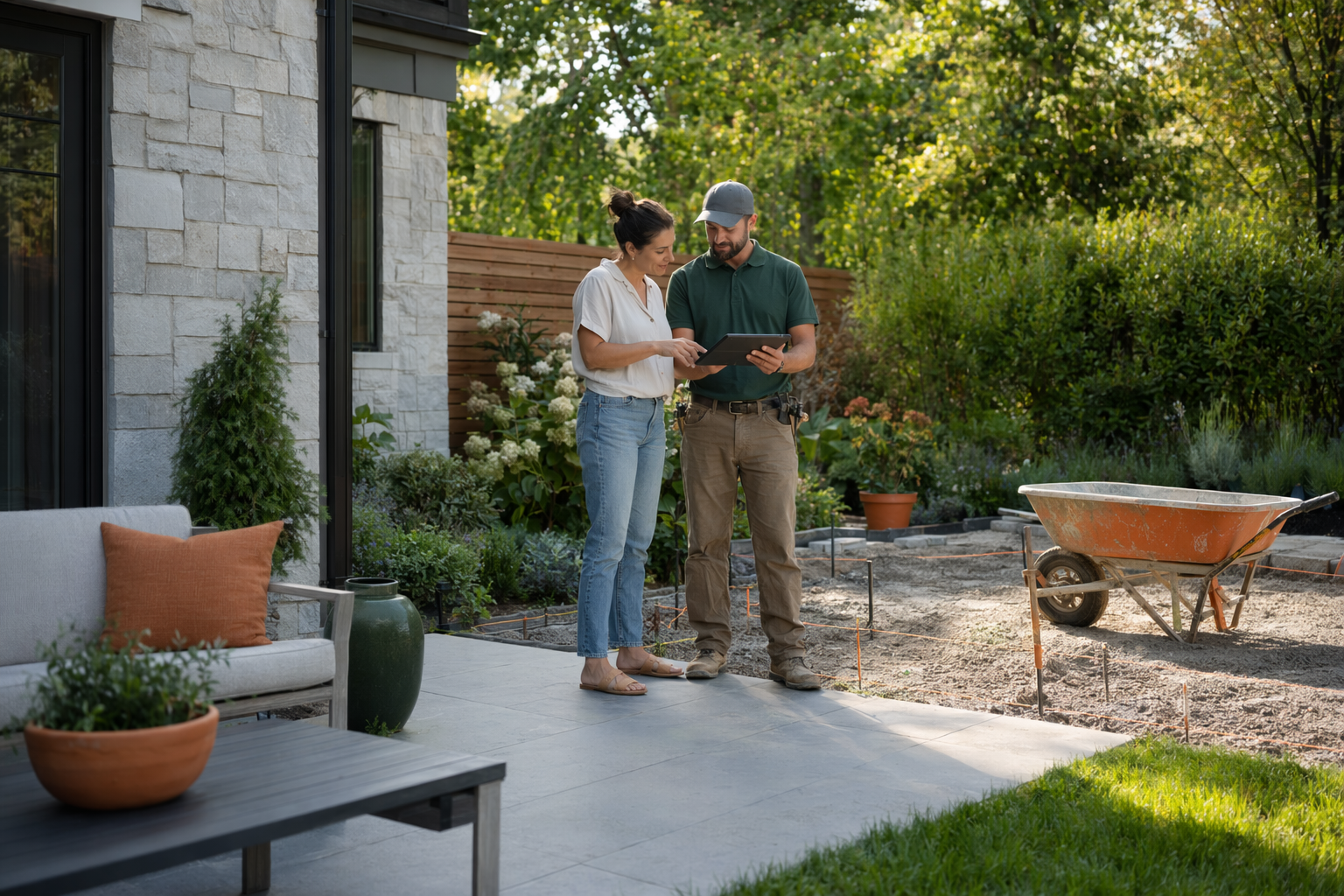
The best time to build is usually when the weather is mild and you have enough time to compare written quotes from licensed, insured builders.
Common questions
Is it cheaper to build a patio in winter?
Sometimes a builder may have more availability in winter, but cheaper is not guaranteed. The price still depends on the size, materials, site conditions, and local demand, and cold or wet weather can slow work.
When should I start planning an outdoor kitchen for summer?
Start planning in winter or very early spring if you want it ready for summer. Outdoor kitchens can need extra lead time for design choices, permits, and licensed gas or electrical work.
Can patio work be done in hot or rainy weather?
Often yes, but weather can affect timing, comfort, and some steps of the job. A local licensed builder can tell you what makes sense for your area and schedule.
Do I need permits for a patio or outdoor kitchen?
Maybe. Rules vary by city and county, and outdoor kitchens often trigger permits for gas, electric, drainage, or plumbing. Check with the local building department and use licensed pros where required.