Guides
Outdoor living ideas for a small backyard
You can turn a small backyard into a space you actually use—without overspending. Here are smart outdoor-living ideas (layout + materials + features), plus how to plan them with a local builder you can trust.
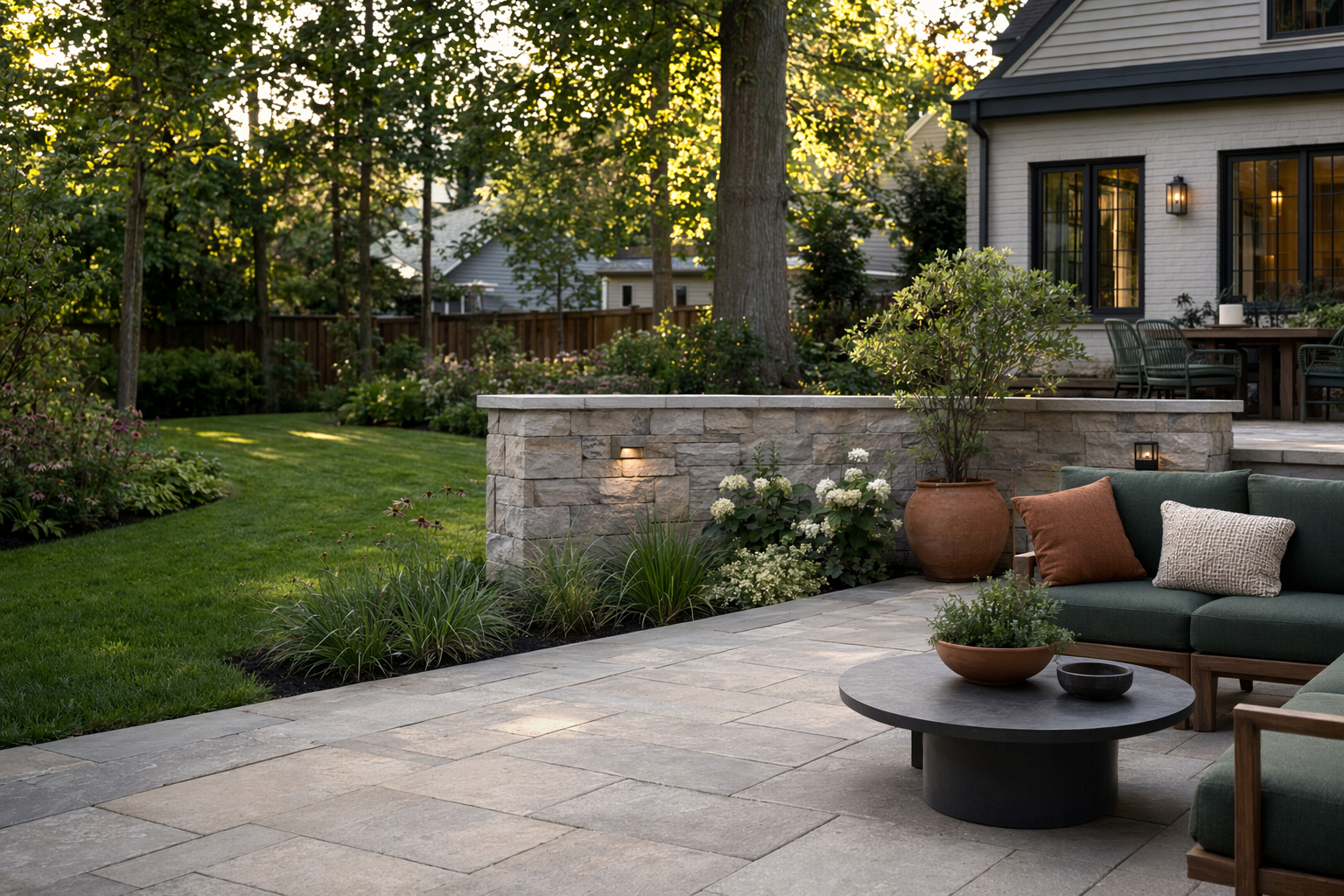
Start with the basics: how you’ll use the space
The best small-backyard plan starts with a simple question: what do you want to do out there most? For many homes it’s dining, relaxing, grilling, and a place for kids to play—without blocking doors or walkways.
Before you pick a patio material or feature, sketch your “must-haves” and measure the real limits: gate width, door swing, the path from the house to the yard, where the sun hits, and any spots that stay wet after rain.
If you’re not sure yet, treat your first outdoor project as a foundation: a comfortable patio or paver walkway that makes the yard easier to enjoy, then you can add a fire pit, pergola, or outdoor kitchen later.
To see more ideas by project type, explore outdoor living project examples and planning guides.
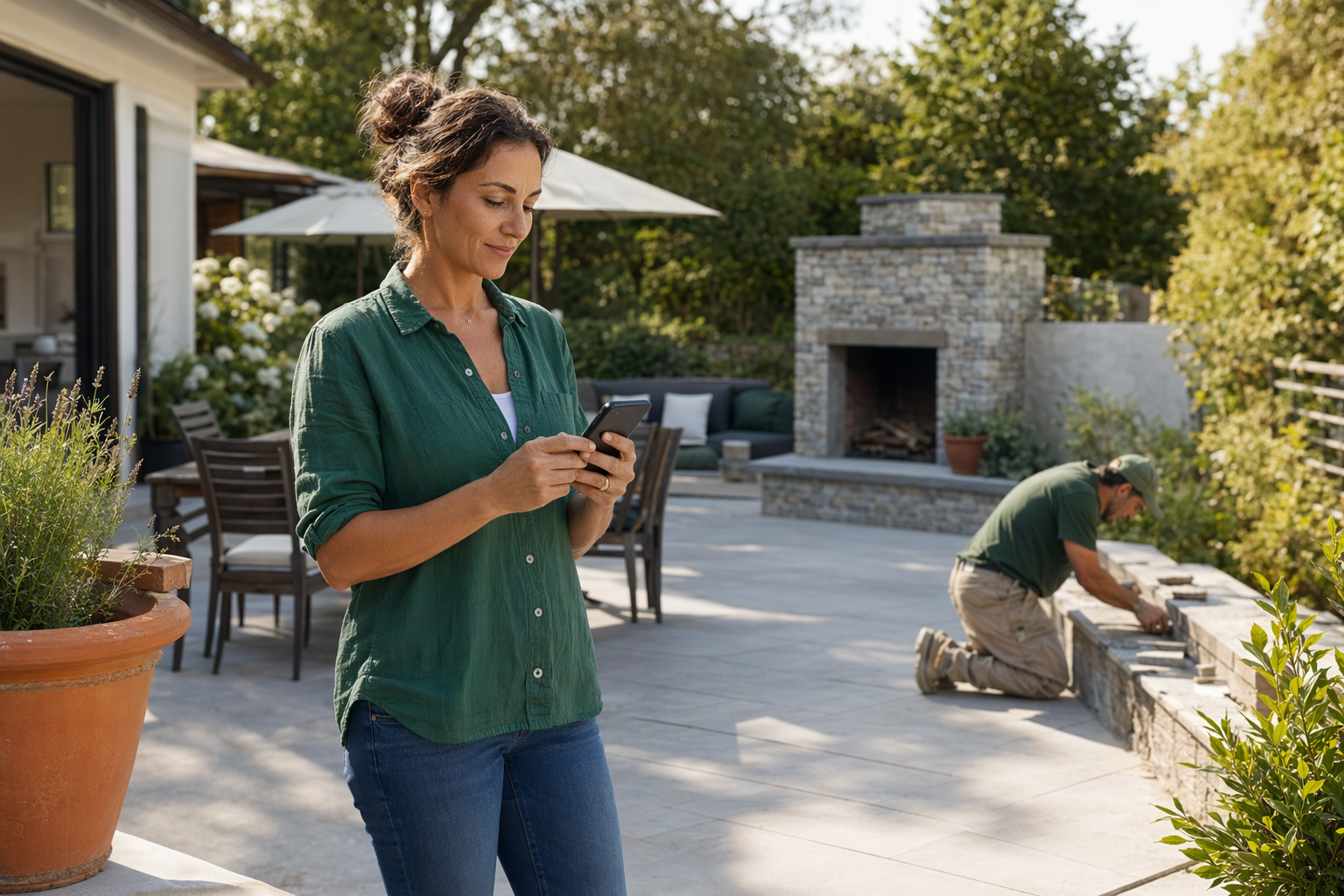
Layout ideas that make small yards feel bigger
In a small backyard, the layout matters more than the feature. A few proven approaches can create flow and reduce the “clutter” feeling.
1) Use a “main path + destination” plan: create a clear walkway from the door to a small seating area. When people can move smoothly, the space feels larger.
2) Go multi-use instead of single-purpose: think a patio that works for dining now and lounging later, or a built-in bench along a wall. Built-ins can save floor space.
3) Choose one focal point: a dining table under a pergola, a compact fire pit seating ring, or a small outdoor kitchen zone. Too many separate features can make the yard feel crowded.
4) Keep edges clean: straight lines and simple shapes often look sharper in smaller spaces, especially with consistent paver sizes and a neat border.
Feature ideas that fit small spaces (without taking over)
You don’t need a “big backyard” to enjoy outdoor living. The trick is choosing features that scale to your yard.
- Patio dining zone: A smaller dining set paired with a durable patio surface is usually the best value for how often you’ll use it.
- Compact fire feature: A small fire pit (or a linear fire style) can create cozy evenings without requiring a large footprint. Confirm local rules for placement and fuel type.
- Pergola or shade sail: Shade makes a small yard comfortable. A lightweight pergola-style structure can define the seating area, especially if it’s placed to catch the best breeze.
- Outdoor kitchen in “lite” form: Instead of a full kitchen, some homeowners do a grill station plus storage and a small counter for prep. It’s easier to fit and less overwhelming.
- Planter “soft borders”: Tall planters, trellises, or planting beds can add privacy and beauty while keeping the hardscape footprint small.
Material trade-offs: what looks good, lasts well, and fits your budget
Material choices can change the look and the upkeep. Here are plain, practical trade-offs to help you decide.
- Pavers: Often favored for patios and walkways because they can be designed in many patterns and usually handle repairs well (a section can sometimes be swapped if there’s damage). Costs vary a lot based on material type, color, thickness, and pattern complexity.
- Natural stone: Can look upscale and unique because every stone is different. It may come with higher material and labor costs and can require careful layout and selection to keep joints and edges looking right.
- Concrete (including stamped or enhanced finishes): Can be a cost-friendly option for larger areas and can look clean and modern. Depending on the finish and installation, it may be less “pattern-flexible” than pavers.
- Gravel or decomposed granite (with edging): Great for low-cost, low-maintenance paths or activity zones. You’ll likely need borders to keep it from spreading, and it may not feel as comfortable for dining chairs as a patio surface.
For any hardscape, ask your builder how the surface will be prepared and finished for your site conditions—especially drainage and slope—because that’s where many problems start (like pooling water or shifting).
Typical cost ranges for small outdoor projects (what drives price up or down)
Costs vary widely by region, site conditions (slope, soil, drainage), access for crews/materials, and the materials you choose. These ranges are not quotes—just a helpful starting point.
- Small patio (pavers/stone): often falls in the ballpark of a few thousand dollars up to the mid-range depending on size and material grade.
- Walkways: can range from a few thousand for simple runs to more if you add curves, multiple material types, or tight access.
- Pergola/shade structure: may start in the low thousands and go up based on size, design complexity, and whether it’s attached to the home (which can affect permitting and requirements).
- Fire pit feature: can vary a lot by style (built-in vs. standalone), materials, and whether gas is involved.
What usually drives costs higher:
- Larger area or more complex layout (curves, multiple levels, fancy borders)
- Premium materials (natural stone, higher-end pavers)
- Poor drainage, significant slope, or difficult soil that needs extra work
- Limited access (tight gates, long haul distance, heavy equipment limits)
What can reduce costs:
- Keeping the footprint compact and the design straightforward
- Choosing one main material rather than many transitions
- Phasing the project (patio first, then add features later)
If you want to compare budgets, see outdoor living costs for more range examples by project type.
How to plan the job (and avoid common contractor red flags)
When you’re ready to turn ideas into a plan, focus on scope and clarity. Your goal is to get options that fit your budget—not a rushed decision.
Before you hire anyone, look for:
- A written contract and a clear scope of work (what’s included, what isn’t)
- License and insurance they can verify (and that your local permits require)
- A detailed, itemized estimate (materials, labor, site prep, drainage/grade work if applicable)
- A willingness to talk through trade-offs (how changes affect cost and upkeep)
Common red flags:
- Large cash-only deposits or pressure to decide on the spot
- A vague quote that doesn’t explain materials, sizes, or limits
- No written plan for what happens if conditions change (like unexpected soil or drainage issues)
- Promises that sound too good to be true (guaranteed timelines, guaranteed results regardless of site conditions)
For anything involving gas or electricity, use a licensed pro and permits where required. Local code rules vary, so your builder should confirm what’s allowed in your area.
When you’re ready, Slate & Sod can help you get matched with licensed, insured local outdoor-living and hardscape builders. It’s free for the homeowner—get matched by sharing your ZIP, project type, rough budget, and preferred language.
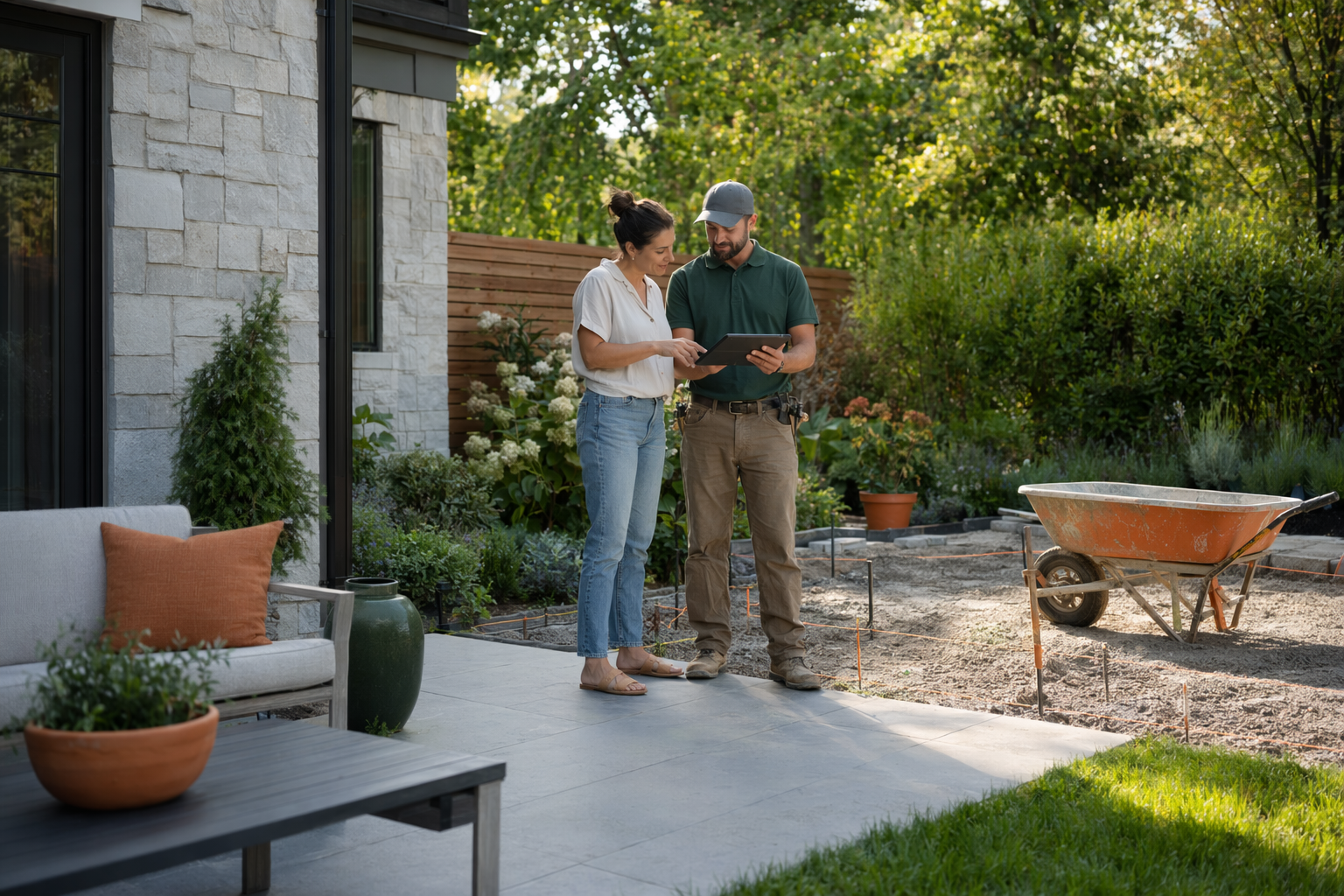
Plan your small backyard around how you’ll use it, pick materials that fit your upkeep and budget, and get clear written quotes from licensed, insured builders.
Common questions
What outdoor feature is best for a small backyard?
For most homeowners, a patio (or even a simple walkway that improves access) is the best first feature because it gets used immediately. Then you can add a shade option (pergola) or a cozy element (small fire feature) once you see how you actually use the space.
Are pavers or natural stone better for a small patio?
“Better” depends on the look you want and your budget. Pavers often offer flexible patterns and can be easier to repair in sections, while natural stone can look more unique but may cost more and requires careful layout. Ask for examples that match your style and yard size.
Will a fire pit be allowed in my yard?
Many places allow fire features, but rules vary by distance from structures, fuel type, and local fire codes. Your builder should check local requirements, and if you plan gas or electrical components, use licensed pros and permits.
How do I keep a small patio from looking “crowded”?
Use one main seating/dining area, limit the number of separate features, and choose a consistent surface material with clean edges. A focal point (like a pergola or a single fire feature) usually looks better than multiple competing elements.
How can I avoid overpaying on a patio or walkway?
Get a written, itemized scope and compare a few quotes. Also ask what drives the cost the most for your specific site—like drainage, slope, and access—so you can decide where to spend and where to simplify.