Guides
Avoiding outdoor-living contractor scams
You can protect your backyard project by asking the right questions and getting everything in writing. This guide covers common outdoor-living scam warning signs and practical steps to hire a licensed, insured local builder.
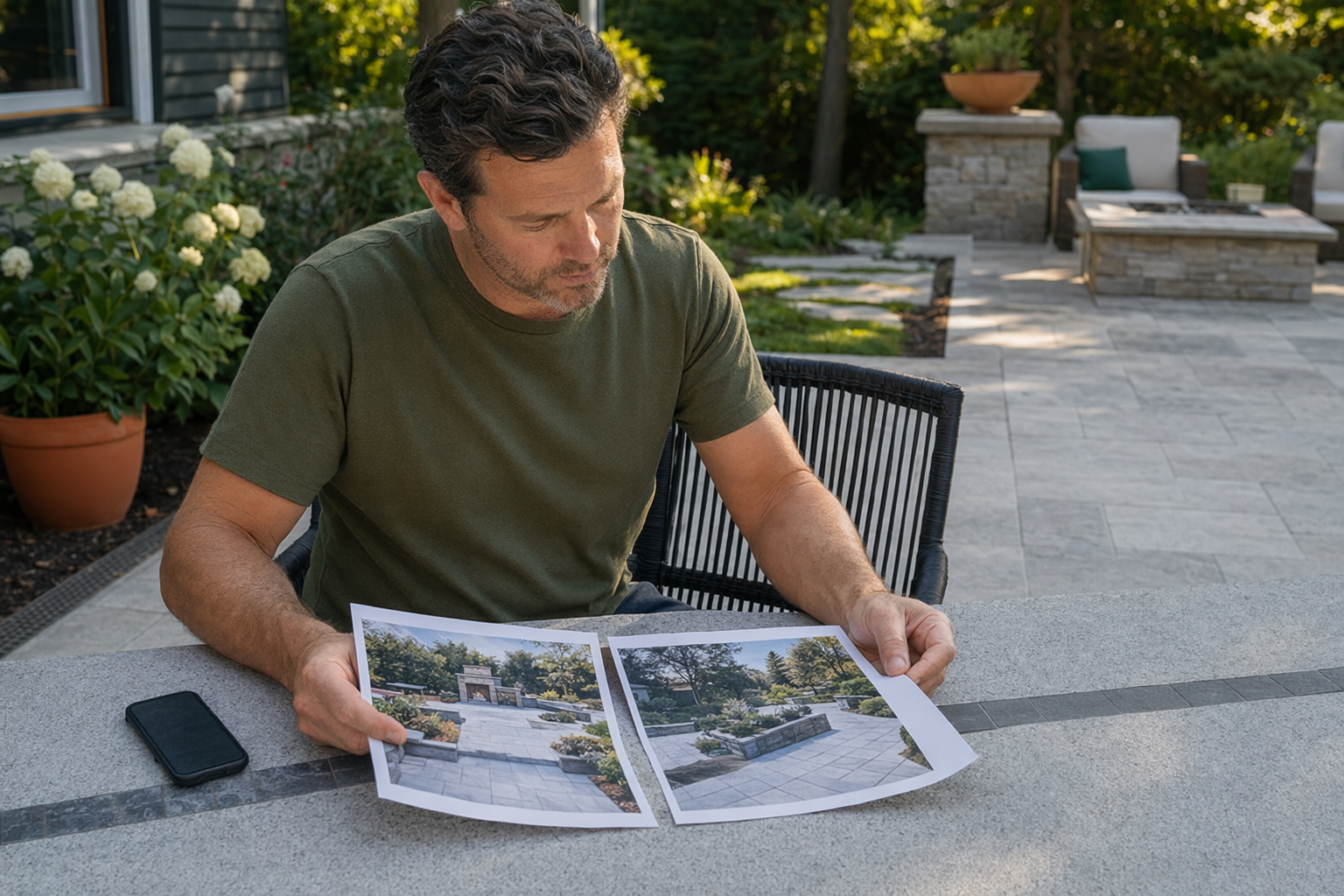
Start here: the fastest way to spot a bad contractor
If a contractor makes it hard to verify basics (license, insurance, written details) or pressures you to pay quickly, that’s your cue to slow down.
A real outdoor-living company should be able to explain the scope clearly, show you what’s included, and give you a written quote you can compare. “Trust me” is not a plan.
Look for these early warning signs:
- Large cash-only deposits or requests to pay most of the job before any work starts
- No proof of current license and insurance
- Vague quotes (“around $X,” “materials vary,” no clear quantities)
- No written contract, or a contract that only covers the contractor’s promises
- Pressure to sign or decide on the spot
If you see more than one of these, it’s reasonable to walk away and get other quotes.

Red flags to watch for (and what to do next)
Outdoor-living projects often include several trades (excavation, base prep, masonry, landscape, sometimes gas or electrical). If a builder won’t clearly separate what they do vs. what others do, you can end up paying twice or waiting for missing parts.
Here are common red flags and safer next steps:
- “We’ll figure it out later” language → Ask for a detailed scope and allowances before you sign
- Change orders without clear pricing or written approval → Require written change order paperwork every time
- No timeline you can hold them to → Request an estimated start date, milestones, and a written schedule
- Refusal to pull permits (when required) → Ask which permits they handle; permits and inspections must follow local rules
For gas lines, outdoor fireplaces, lighting, and outlets: ask how they handle gas/electrical work. In most areas, licensed professionals and permits are required. Don’t let anyone skip that—safety and code compliance matter.
What “good” paperwork looks like (use this checklist)
A fair, professional quote doesn’t just name a price—it explains what you’re paying for. Before you decide, ask for the same information from multiple builders so you can compare apples to apples.
Use this checklist when reviewing any written proposal:
- Scope of work: what’s included (demo, hauling, base, pavers/stone, edging, cleanup)
- Materials: brand/type and finish details where relevant
- Measurements: approximate dimensions and thickness/coverage info (enough to understand the plan)
- Site conditions: how they handle slope, drainage concerns, and access limits (general description, not guesses)
- Base and sub-base description (general explanation of what they plan to use)
- Seating/steps/walkways/pergola/fire feature details if included
- Start date estimate and major milestones
- Payment schedule tied to milestones (not huge cash payments up front)
- Warranty details in writing (what it covers, how long, exclusions)
- Permit handling: whether permits are required in your area and who pulls them
And the big reminder: get the scope and price in writing, then read it slowly. If something is missing, ask. If the contractor won’t answer, that’s also information.
Cost reality checks: ranges, not guarantees
Outdoor-living costs can swing a lot depending on the project size, material choice, site conditions (slope, soil, access), drainage, and your local prices. Be careful with quotes that look too “easy”—many problems show up after excavation.
As rough guidance (not a quote):
- Paver/stone patio projects: often range widely based on size, base prep needs, and features like steps or borders
- Outdoor kitchens: usually cost more when you add countertops, appliances, and utility connections
- Fire pits/fireplaces: can vary based on fuel type, materials, and whether licensed gas/venting work is needed
- Retaining walls: can be higher due to engineering needs, heavier materials, and drainage considerations
What drives costs up most often:
- Poor access (limited equipment space, long haul distance)
- Extra site prep (uneven ground, drainage fixes, removal of old materials)
- Upgrading material quality (thicker pavers, premium stones, custom borders)
- Additional features (stairs, lighting, pergolas, built-in storage)
What can help control cost:
- Choose a simpler layout and keep corners/edges straightforward
- Decide on one “main” material and limit add-ons until later
- Get multiple written quotes and compare what’s included, not just the total
How to protect yourself during the hiring process
You’re the decision-maker. A good builder should work with you, not rush you. If you’re new to the U.S. or not fully comfortable with contracts, consider bringing someone you trust to review paperwork or asking for a written explanation in your preferred language.
Practical steps that lower your risk:
- Ask for license and insurance proof, then verify it with the issuing/oversight source in your area
- Get at least 3 written quotes when possible
- Compare the scope line-by-line (what’s included vs. excluded)
- Use a payment schedule that matches milestones
- Keep communication in writing (texts/emails) when changes happen
- Avoid contractors who ask for large cash payments or changes “on the spot” without a signed change order
If you need help planning your outdoor-living project, Slate & Sod is a FREE matching service. We don’t build or design anything—we connect you with licensed, insured local outdoor-living and hardscape builders based on your project type, ZIP, rough budget, and preferred language. Start with get matched. You can also browse related ideas in our guides and projects and look at common cost drivers in costs.
When something feels off: your next steps
If you already paid a deposit or signed paperwork, don’t panic—but do act carefully. Slow down and document everything: written quotes, contract terms, receipts, texts, and any photos.
General, safe next steps:
- Contact the contractor in writing and request the full scope and payment schedule details
- Ask for clarification of any missing items before you authorize more work or payments
- Consider getting a second opinion (another builder) on what should be included in the scope
- For permit or utility work concerns, ask the builder what’s allowed in your area and insist on proper permitting with licensed pros
We can’t provide legal advice, but you can protect your home by using clear paperwork and verifying basics. If a contractor won’t provide verifiable license/insurance and a detailed written scope, it’s usually safer to move on and compare other builders.
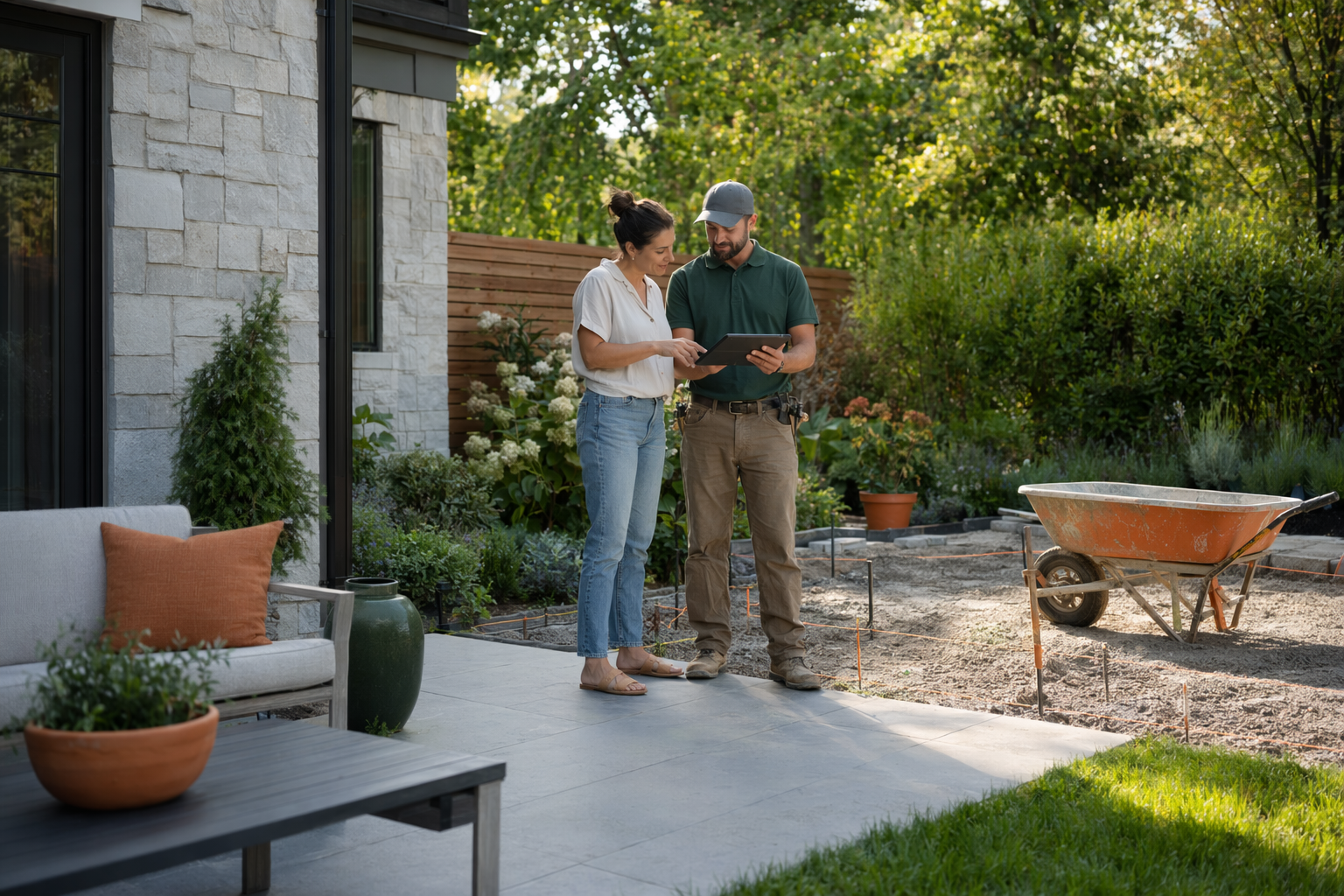
Verify licenses and insurance, demand a detailed written scope and payment schedule, and avoid pressure or cash-heavy deals—then you can safely hire a qualified local outdoor-living builder.
Common questions
Is it normal to pay a large deposit for an outdoor-living project?
Some deposits are common, but large cash-only deposits or requests for most of the total before any meaningful work starts are a major warning sign. Ask for a payment schedule tied to milestones and get the terms in writing.
What should I ask for when I get a quote?
Ask for the written scope of work, what’s included/excluded, materials details, a timeline estimate, and the payment schedule. If anything is vague, request clarification in writing before you sign.
Do I need permits for patios, fire pits, or outdoor kitchens?
Permits and inspections depend on your city/county, the project details, and sometimes HOA rules. Ask your builder what permits are required in your area, and confirm the work follows local codes.
How much should I budget for a patio or outdoor kitchen?
Costs can vary a lot by size, materials, and site conditions, so use cost ranges—not one guaranteed number. Check [costs](/costs/) for common drivers and then share a rough budget when you [get matched](/get-matched/) so builders can align on scope.
How can Slate & Sod help without being a contractor?
Slate & Sod is FREE and does not build or design projects. We help you get connected with licensed, insured local outdoor-living and hardscape builders based on your project intent, ZIP, and preferred language.