Projects
Outdoor living & hardscape builders in the Phoenix area
Thinking about a patio, paver walkway, pool deck, or outdoor kitchen in the Phoenix area? Slate & Sod is a free matching service that helps you connect with licensed, insured local builders—then you compare written options at your pace.
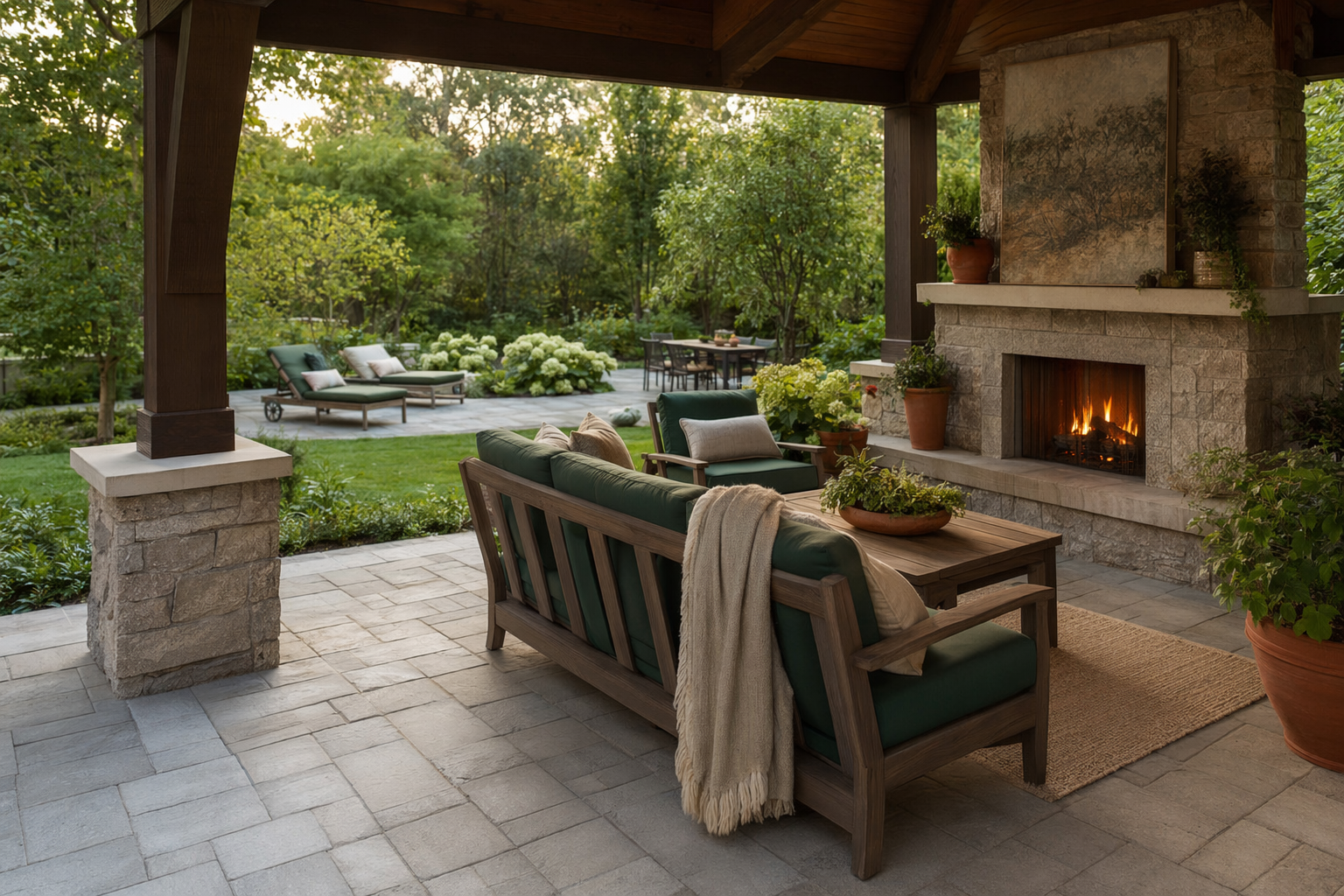
What “outdoor living” usually means in Phoenix (and why it matters)
In the Phoenix area, outdoor-living projects often focus on sun, heat, and low-water landscaping—so the “best” backyard is usually the one that’s comfortable day-to-day and easy to maintain.
Many homeowners love patios and paver areas because they quickly change how the yard feels. Outdoor kitchens, pergolas, fire features, and walkways can add function, but they also increase planning details like layout, materials, and access for deliveries.
If you’re new to the US or to local building culture, it helps to know this: a good builder will ask about your goals and site conditions, then give you a clear scope in writing. You should feel comfortable asking questions about materials, upkeep, and timing.
- Common project ideas: paver/stone patio, pool deck, walkway, retaining wall, outdoor kitchen, pergola, fire pit or fireplace
- Phoenix-specific reality: heat, drainage, and shade are everyday priorities
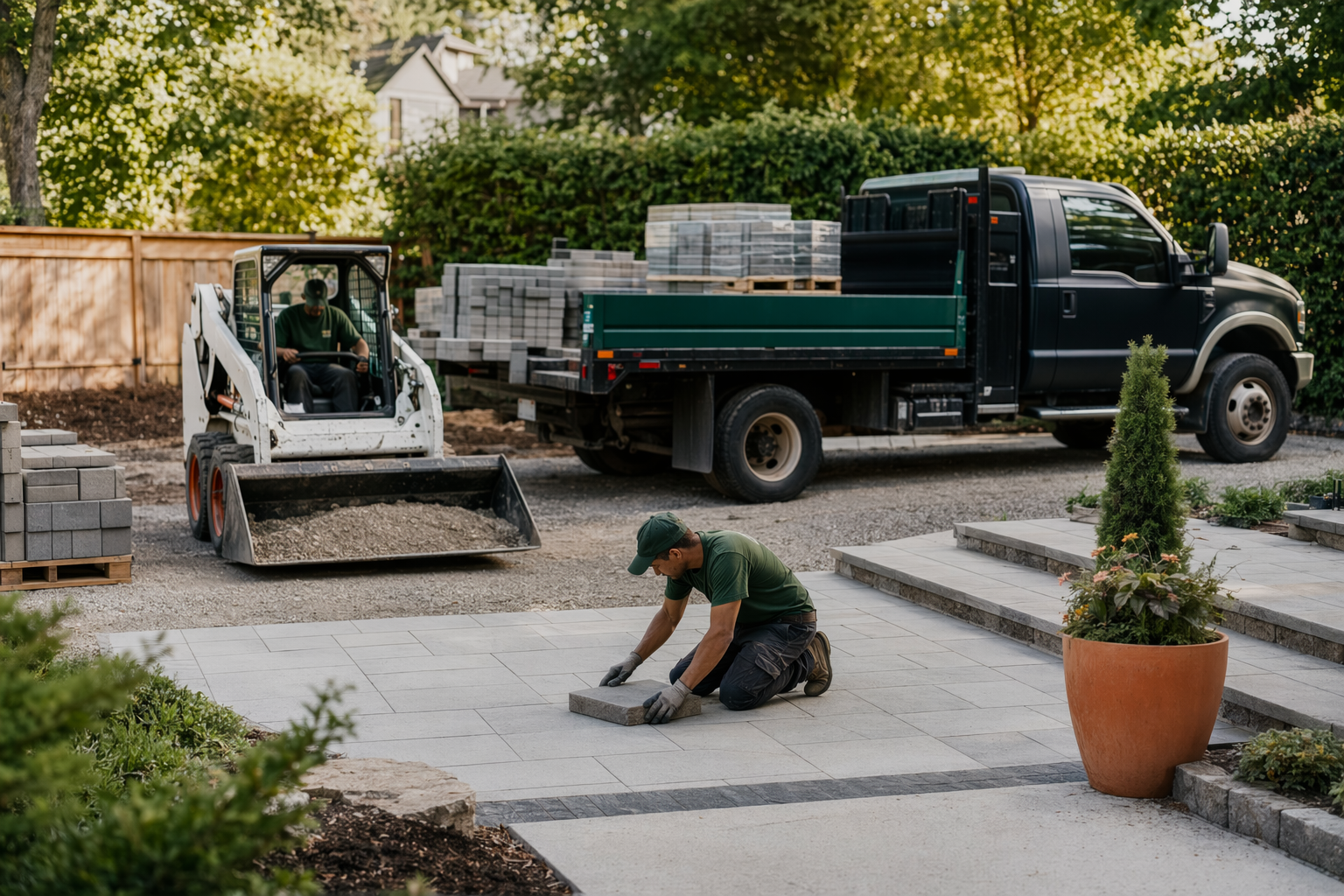
Pick materials and design choices that make sense (not just “look good”)
For patios and walkways, homeowners usually choose between pavers and poured concrete, or a stone look that fits their style. The “right” choice depends on the area’s use (foot traffic vs. heavy furniture), how you want it to age, and how easy you want repairs to be later.
For shade, pergolas and covered areas can help a lot in Phoenix. But the design should match how you live: where you eat, where you park, and where you want cool-down time. A builder should discuss practical things like sun exposure and where water will go when it rains.
For fire features and outdoor kitchens, plan for fuel and clearances. Gas and electrical work generally requires licensed pros and permits. The safest approach is to confirm what needs permits early—so you don’t get surprised later.
- Ask what the project is designed to handle: sun, cleanup, and drainage
- For gas/electrical: plan on licensed professionals and permits
Honest cost ranges for Phoenix-area outdoor-living projects
Costs vary a lot. The real price depends on project size, materials, the complexity of the layout, slope and soil conditions, site access, drainage needs, and how much demo or hauling is required.
Below are practical “ballpark” ranges many homeowners see. These are not quotes—just starting points to help you budget and ask better questions.
For deeper budgeting help, see Patio and hardscape costs and how material choices can change the total. (Every yard is different, so use these as rough planning numbers.)
- Paver patio or stone patio (small to mid-size): often roughly in the tens of thousands of dollars; larger designs usually cost more
- Walkways and driveway-style extensions: commonly priced by the amount of surface area and edging details
- Pergola shading: typically depends on size, coverage, and whether it’s anchored to match the surface system
- Outdoor kitchens: range widely based on appliances, finish materials, and whether utilities run under/near the patio
What drives costs up or down (so you can control the budget)
If you want better value, focus on the cost drivers. The biggest ones are usually square footage, site conditions, and how detailed the finish is.
Costs may go up with: more complex layouts, additional edging and steps, unusual patterns, heavy demo/haul-off, tight access for equipment, or drainage work. In Phoenix-area yards, drainage and water flow are common reasons a project needs more planning.
Costs may go down with: simpler shapes, fewer transitions (like fewer height changes), choosing widely available materials, and building a smaller first phase. Many homeowners start with a patio and add the kitchen or pergola later once the budget is clearer.
- Up-cost signals: slope/poor drainage, complex edges/steps, heavy demo, hard-to-reach locations
- Down-cost signals: simpler layout, clear access, phased plans, selecting common materials
How to get matched with a licensed, insured builder (and stay in control)
Slate & Sod is a free matching service for homeowners. We’re not a contractor and we don’t do construction or design work. Instead, we help you share your project intent and get connected with local builders who can bid.
The homeowner stays in charge. You set your budget, compare written scopes and prices, and choose who to hire. A reputable builder should clearly explain what’s included, what’s excluded, and how they plan to handle site conditions.
To start, visit Get matched. You’ll share only contact details and your project basics—like the outdoor feature you want, your ZIP code, a rough budget range, and your preferred language. Then you can explore examples in Outdoor-living projects to help describe what you’re imagining.
- Get at least 2–3 written bids when possible, and compare apples-to-apples scope
- Ask for licensing and insurance proof before any work starts
Red flags to watch for (so you don’t overpay or get stuck)
A great project usually starts with a clear plan on paper. Watch out for contractors who rush you, don’t provide details, or can’t explain materials and scope.
Be cautious if someone asks for large cash-only deposits, won’t put the scope and price in a written contract, or gives a vague estimate like “we’ll figure it out later.” Also be careful with pressure to sign quickly or to make big decisions on the spot.
For safety and compliance: gas, electrical, and any permit-required work should involve licensed professionals and the proper permits through your local building department. If you’re unsure what applies in your area, ask the builder to explain what permits they expect—then verify locally.
- Ask for written scope + written price before work begins
- Avoid no-license/no-insurance claims and cash-only arrangements
Tell us what you want to build in your Phoenix-area yard, and we’ll help you get connected with licensed, insured builders—then you compare written bids based on a real plan and your budget.
Common questions
Do I need a permit for a patio, paver walkway, pergola, or fire feature in the Phoenix area?
It depends on your project size, materials, location, and whether utilities or gas are involved. Permits and rules vary by city and sometimes by HOA. A local licensed, insured builder can explain what they expect and which items typically require permits, but you should also confirm with your local building department.
What’s the best first project if I want a nicer backyard but my budget is limited?
Many homeowners start with the base element: a patio area that creates an outdoor “room.” A smaller, well-planned patio can be built first, then you can add a pergola, outdoor kitchen, or fire feature later. Your builder can help you phase the plan so you don’t pay for features you can’t complete right away.
How do I describe my project so I get useful bids?
Bring a few photos, rough measurements (even approximate), your preferred materials style (paver/stone look, modern vs. classic), and what you want it to do day-to-day (eating, grilling, seating, shade). The more clearly you describe the intended layout and finishes, the easier it is for builders to quote accurately.
Are cost ranges from Slate & Sod quotes?
No. Any cost ranges we share are general planning estimates, not quotes. Your real price depends on your site conditions, access, drainage needs, project size, and material selections. Always request a written bid with a clear scope.
Is Slate & Sod a contractor or do you build projects in Phoenix?
No. Slate & Sod is a free matching service. We connect homeowners with licensed, insured local outdoor-living and hardscape builders, but we don’t perform construction or sign contracts for the work.